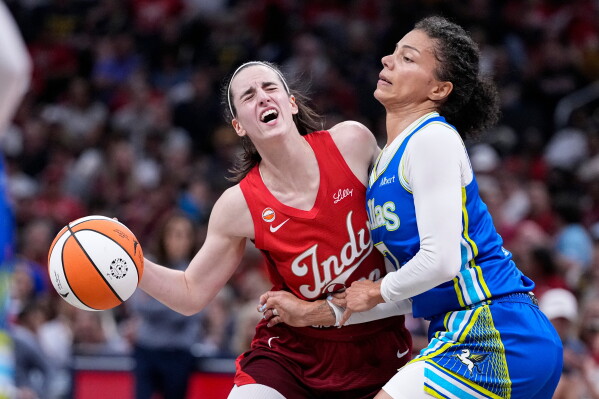
In Uncasville, Connecticut, the Hall of Fame weekend was meant to celebrate basketball, yet the WNBA finds itself at the heart of broader societal debates. These debates involve issues of race, gender, and sexuality, overshadowing notable performances as the league marks 30 years. Hall of Famer Dawn Staley, who is part of the 1996 Olympic women’s basketball team being inducted, offers insight into this dynamic.
Parallels and Positive Outlook
Staley sees similarities between the WNBA’s challenges and those faced by the NBA in its formative years. She notes that racial and officiating issues were significant hurdles for the NBA, emphasizing that the WNBA is going through “badges of honor.” The NBA’s early resistance to integration, starting as an all-white league, serves as a historical context for understanding the WNBA’s current narratives, such as the debate on transgender women participation.
“All the big pieces and all the things that are happening from a racial standpoint, from an officiating standpoint are great because the NBA went through all of it,” she said.
Transgender Inclusion Debate
Transgender issues have been part of the conversation, with no transgender women playing in the league to date. Recent discussions focus on players who transitioned after birth or identify as nonbinary. Nneka Ogwumike, WNBA players’ union president, expressed concern that these conversations may negatively impact longstanding transgender fans.
“It really breaks my heart to think about how these conversations may be affecting people who have supported us for so long,” she said.
The Role of Women’s Sports in Broader Agendas
Ogwumike identifies that women’s sports are sometimes used in wider socio-political agendas. She critiques the marginalization of groups they advocate for while navigating evolving discussions. Challenges lie in media’s focus on social issues, making actual basketball conversations helpful yet difficult.
“It’s super unfortunate because we’re now in a time where I think there’s a lot of different agendas that are being used for something perhaps bigger and broader that people can’t see now that they’re using women’s sports for,” Ogwumike said.
Distractions from On-Court Success
Staley laments missing out on the on-court achievements due to these distractions. However, handling such challenges, she believes, is crucial.
“It’s an incredible product that we’re missing out on because we got distractions every time,” she said.
Increasing Attention and Social Media Impact
With viewership up 17% from last season’s record high, the WNBA is attracting significant attention. However, this includes social media attacks and increasing betting on the sport. Hall of Fame inductee Candace Parker notes a shift in dealing with negative comments, which once were brushed aside but now have real-life implications.
“We can’t tell every player to just deal with it. That’s not how it works. I know I’m proud that some people think that they’re anonymous when they make comments online and they’re finding out that they’re not,” Parker said.
Locker Room Dynamics in the Social Media Era
Long-time player Chamique Holdsclaw recalls past disagreements confined to locker rooms, contrasting with today’s public discussions fueled by social media. While personal issues were once kept private, now leagues face the consequences of more transparency and public exposure.
“I’ve had teammates that I may not agree with their politics or beliefs, but we all know that as long as the locker room is good, we’re good,” Holdsclaw said.
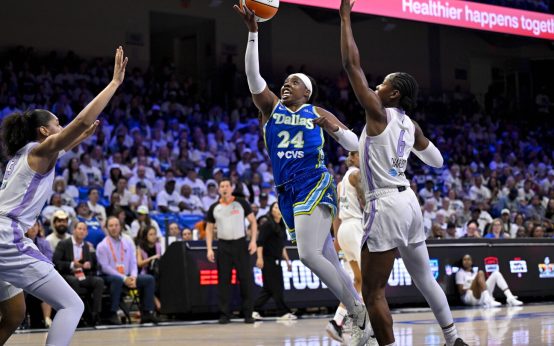 Arike Ogunbowale Sets Playoff Record as Dallas Wings Win Overtime Thriller
  White Sox Revive Hope with ALDS Berth After Overcoming Adversity
 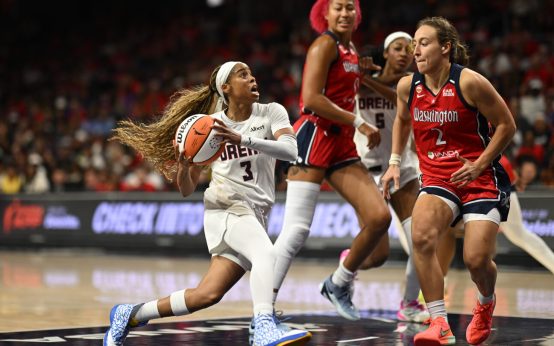 Atlanta Dream Reach WNBA Semifinals After Triumph Over Washington Mystics
 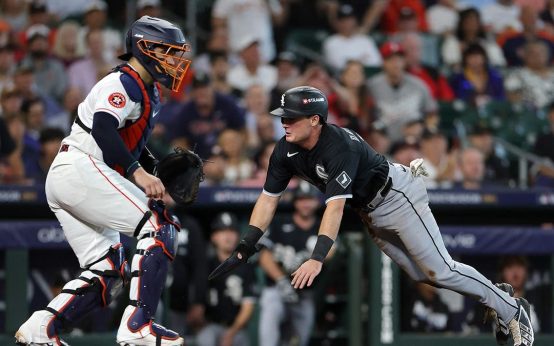 MLB Wild Card Series Highlights
 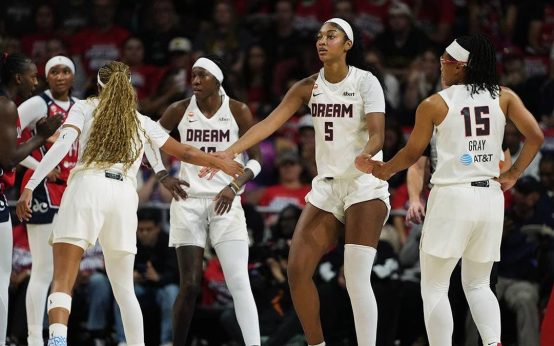 Atlanta Dream Advances to WNBA Semifinals
  Washington Mystics Eliminated from WNBA Playoffs