
Introduction to Incendiamoeba cascadensis
Incendiamoeba cascadensis, known as the “fire amoeba of the Cascade mountain range,” sets a new benchmark for complex organisms with its ability to replicate at temperatures up to 145°F. This discovery represents a significant milestone in microbiology.
The Edge of Possibility
Angela Oliverio, a microbiologist at Syracuse University, dedicates her research to understanding life’s extremities. Explaining the motivation behind her work, Oliverio likens this pursuit to elite athletes pushing human boundaries. Her studies center on extremophiles, organisms thriving in severe environments, particularly high temperatures. Bacteria and Archaea are champions in this realm, with some species surviving at or above 212°F.
Exploring Eukaryotes in Extreme Conditions
Beryl Rappaport, a PhD student in Oliverio’s lab, highlights the gap in research concerning heat-tolerant eukaryotes. These organisms boast complex cells with a nucleus. According to Rappaport, many such species remain unexplored. The recent discovery of the fire amoeba pushes the temperature limit for eukaryotic cells higher, broadening scientific understanding.
The Discovery Expedition
“It’s one of the least-visited national parks in the US.” – Angela Oliverio
The team’s fieldwork unfolded in Lassen Volcanic National Park in Northern California. Amidst breathtaking landscapes dotted with geothermal pockets, Rappaport used long barbecue tongs to collect samples from Hot Springs Creek’s tributary. The real breakthrough occurred in the lab, where the amoeba’s dynamic movement caught researchers’ attention. This single-celled organism mimicked hot yoga, reconfirming its classification as an amoeba.
Genome Analysis of the Fire Amoeba
Upon genome examination, the researchers identified the amoeba as a new species, naming it Incendiamoeba cascadensis. The organism’s resilience at high temperatures intrigues scientists. Its genome suggests adaptations that stabilize proteins and membranes, extending interest beyond Earth. This discovery might lead to innovations in heat-resilient crops or temperature-stable drugs.
The Future of Extremophile Research
Debashish Bhattacharya, an evolutionary biologist at Rutgers University, mentions genome streamlining in extremophiles. Interestingly, the fire amoeba defies this pattern, maintaining a larger genome. These findings suggest potential paths for other complex organisms in extreme environments. Oliverio anticipates that more researchers will uncover organisms with noteworthy abilities, potentially raising the temperature records further.
 Impact of Sleep Types on Disease Risk
 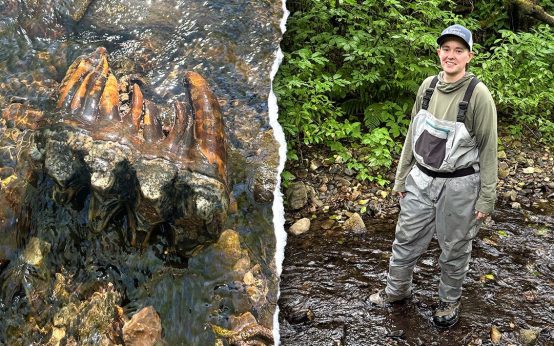 Ice Age Mastodon Tooth Unearthed in California Creek
 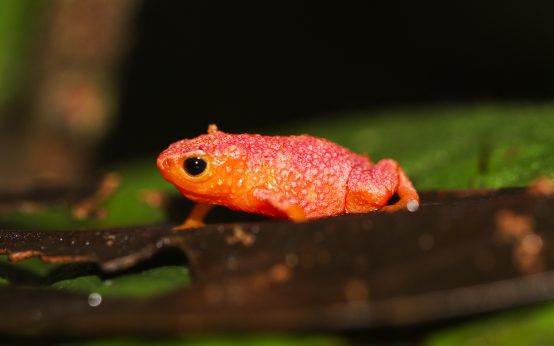 The Unique Challenges of the Pumpkin Toadlet
 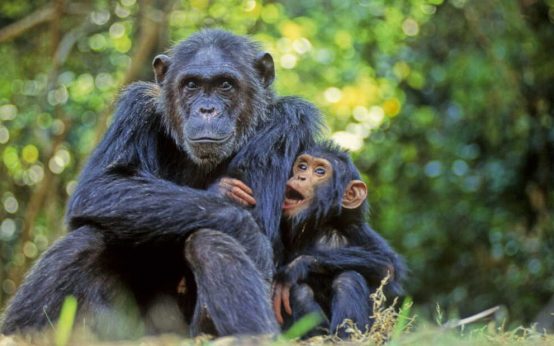 Animal Self-Medication Insights
  Carlo Rovelli’s Perspective on Physics and Ultimate Reality
  Department of Defense Legal Waiver Promotes UAP Disclosure