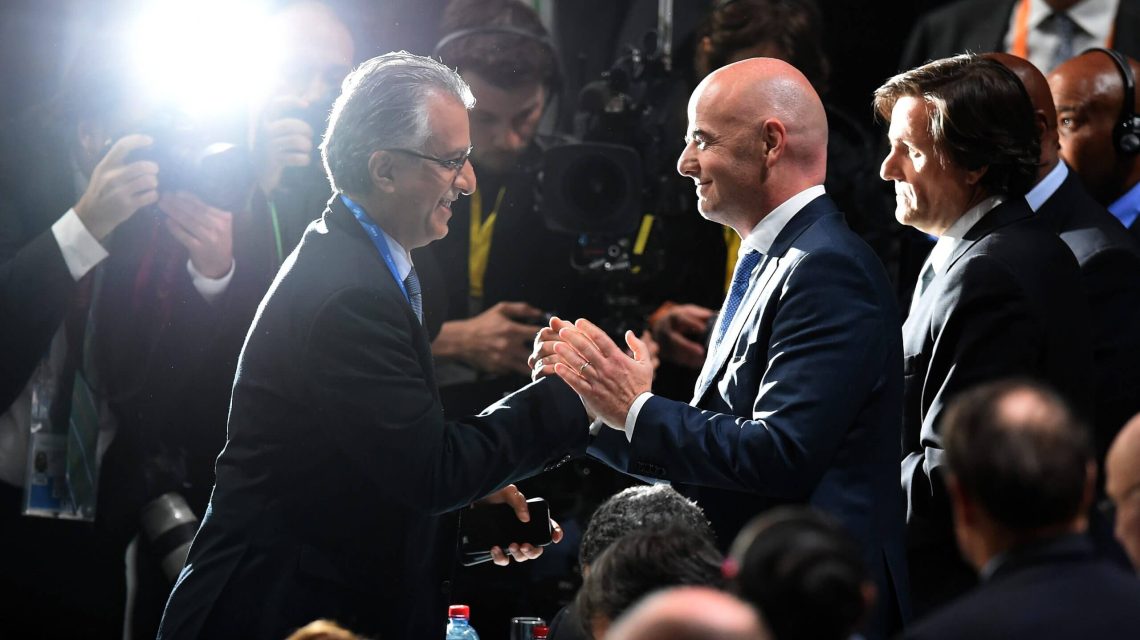
Gianni Infantino, current FIFA president, announced at the 2026 FIFA Congress in Vancouver that he will run for re-election. This decision seemed expected, as it would mark his third and final full term extending to 2031.
However, recent developments suggest uncertainty around Infantino’s leadership. Attempts to sell a stake in FIFA’s commercial operations have faltered, leading to a loss of confidence from UEFA and some of Infantino’s advisers. The previously expected smooth path to re-election now appears less certain.
A FIFA presidential change is rare. Since its inception in 1904, FIFA has had only nine presidents. Infantino succeeded Sepp Blatter in 2016 after Blatter faced corruption charges. That year, FIFA limited presidential terms to 12 years, though Infantino aims to extend his term by arguing his initial three-year term shouldn’t count towards the cap.
FIFA’s elections occur every four years following a World Cup. Infantino was re-elected unopposed twice, in 2019 and 2023, without requiring votes. The last competitive election was in 2016, where Infantino beat four candidates to succeed Blatter. His win came amidst Michel Platini’s exclusion from the race over corruption allegations.
The election process requires candidates to have two years of active football-related involvement in the past five years and pass a FIFA eligibility check. Candidates also need support from at least five member associations by a set deadline, this year being November 18. Infantino previously claimed support from 200 of 211 members, but recent withdrawals from countries like Wales and England challenge this claim.
Winning requires a majority of over 50%, equivalent to 106 votes from 211 associations. Smaller nations’ support has been key for Infantino. However, recent opposition from UEFA, AFC, and Concacaf introduces challenges. While Qatar still supports Infantino, the confederations’ opposition is significant.
An election with more than two candidates needs a two-thirds majority in the first round. Infantino’s 2016 victory required two voting rounds. A potential contender, Concacaf president Victor Montagliani, may challenge Infantino, needing to build support before the candidacy deadline in 16 weeks.
FIFA’s next presidential election is set for March 18, 2027, in Morocco. The choice of Morocco is noteworthy due to their aspirations for the 2030 World Cup final. Past elections have been held in locations supportive of Infantino, such as Rwanda in 2023.
Yet, this plan might face disruption if discontent among FIFA Council members or associations prompts an emergency Congress. UEFA has enough influence to request such a meeting, potentially leading to a vote of no confidence.
The coming weeks will likely shape this potential crisis, signaling that the upcoming FIFA election poses significant challenges for Infantino.
 Significant Events in Chicago History on September 21
  Patriots Rookie Gabe Jacas Shines Against Aaron Rodgers
 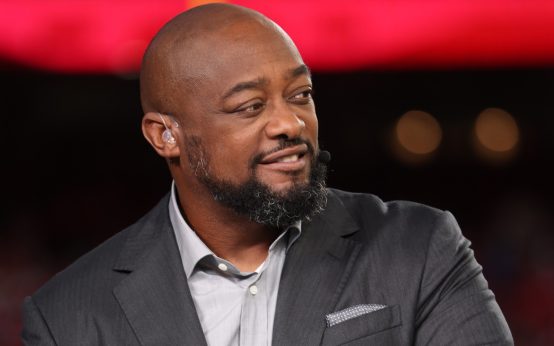 Pittsburgh Steelers Face Offensive Struggles in Post-Tomlin Era
  CeeDee Lamb Leads Dallas Cowboys to Victory Over Washington Commanders
  Buffalo Bills Tailgating and Highmark Stadium Experience
 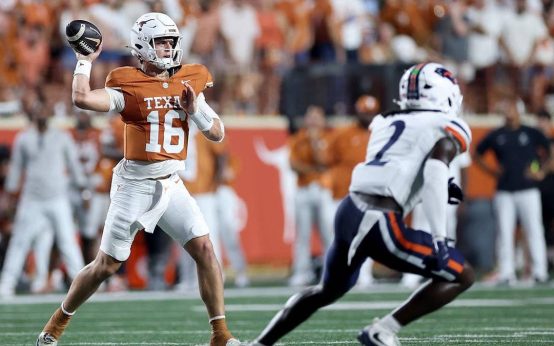 Texas Longhorns Triumph Over UTSA with Defensive Strength and Key Plays