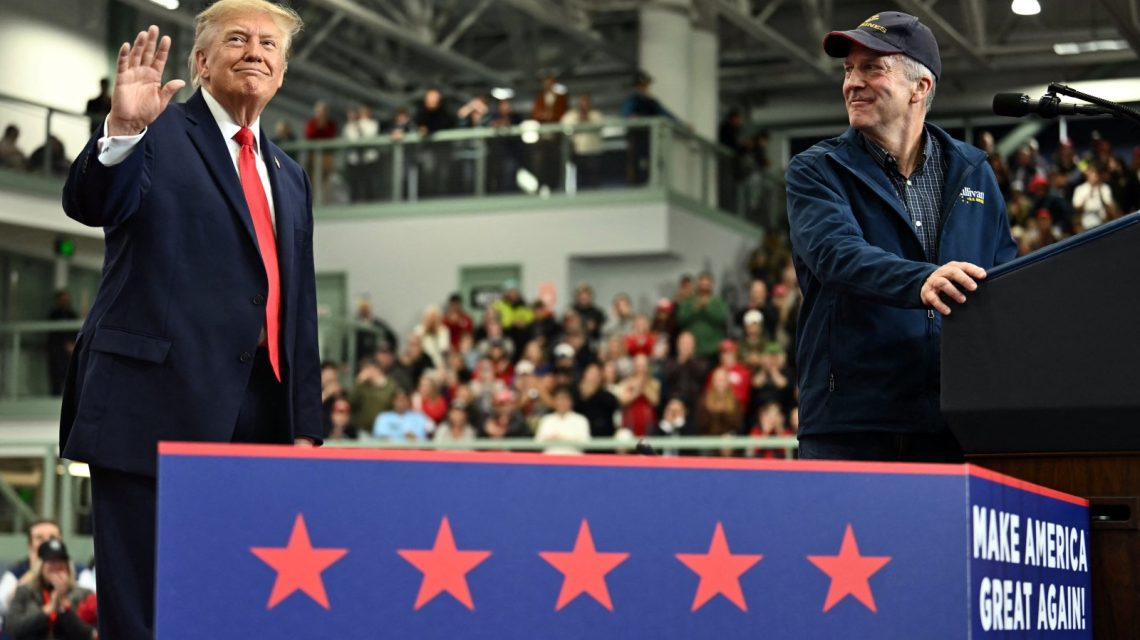
Key Ruling: U.S. District Judge Sharon Gleason dismissed the federal government’s attempt to block Alaska from certifying the results of its Senate election if incumbent Dan Sullivan loses. Gleason determined the government lacked legal standing and failed to demonstrate a possible remedy for its claimed injury.
Background of the Case: The Justice Department aimed to prevent certification while assessing voter confusion over two candidates with similar names on the ranked-choice ballot. The ballot lists the incumbent as “Dan S. Sullivan (Registered Republican) Incumbent,” while another contender appears as “Daniel J. Sullivan Jr.,” a retired teacher who changed his registration to undeclared before the election.
Judge’s Analysis: Gleason found that separating votes cast for Sullivan Jr. violated the principle of voter privacy and the state’s right to a secret ballot due to the commingled nature of cast ballots. She emphasized that the request lacked feasible solutions for addressing the alleged harm without breaching ballot secrecy.
Legal Procedures Before Election: Federal courts typically avoid late-stage electoral rule changes, as they may confuse voters and deter participation. Gleason stated that such alterations are “strongly disfavored.”
“The absence of any explanation from the United States as to how its requested relief could redress its alleged injury while simultaneously maintaining the secrecy of the ballot is telling,” Gleason wrote.
Planned Appeal: The U.S. Department of Justice intends to appeal the decision. They argue that Daniel J. Sullivan Jr., whom they label “Decoy Dan,” entered the race frivolously to mislead voters.
Political Reactions: President Donald Trump ordered the lawsuit based on concerns over candidate name confusion. Trump labeled Sullivan Jr.’s candidacy a “Criminal Act” but offered no evidence. Republican legal leaders in Alaska dismissed the DOJ’s position as “meritless.”
Investigation Continuation: Despite Gleason’s ruling against civil intervention, separate criminal investigations are underway at federal and state levels. The Justice Department is pursuing subpoena-driven inquiries, and the Alaska Attorney General’s office cooperates with local law enforcement.
Governor’s Statement: Governor Mike Dunleavy signaled that investigation results could impact election certification should wrongdoing emerge.
Additional Perspectives: Democratic figures defended Alaska’s ballot wording, noting it clearly marked Dan Sullivan as the incumbent. Further, Jamie Raskin criticized the recruitment of similarly named candidates as politically unintelligent.
Democracy and Voting Rights Advocacy: The Democratic Senatorial Campaign Committee praised the court’s decision, framing it as a triumph for democracy and a rebuke to those undermining the electoral process.
Voter Advocacy Groups: The NAACP supported the dismissal, underscoring states’ authority over their elections. Kristen Clarke, representing the NAACP, described the lawsuit as a “baseless attempt to hijack this midterm election.”
 Mississippi State Auditor Shad White Announces Gubernatorial Bid
 Trump Dismisses Third Impeachment Prospects
 Custody Dispute Involving Rep. Max Miller Delayed
 Attorney General Addresses Post-Midterm Democratic Threats
 Senator Elizabeth Warren and the Future of Crypto Regulation
 Bipartisan Opportunities in Foreign Policy