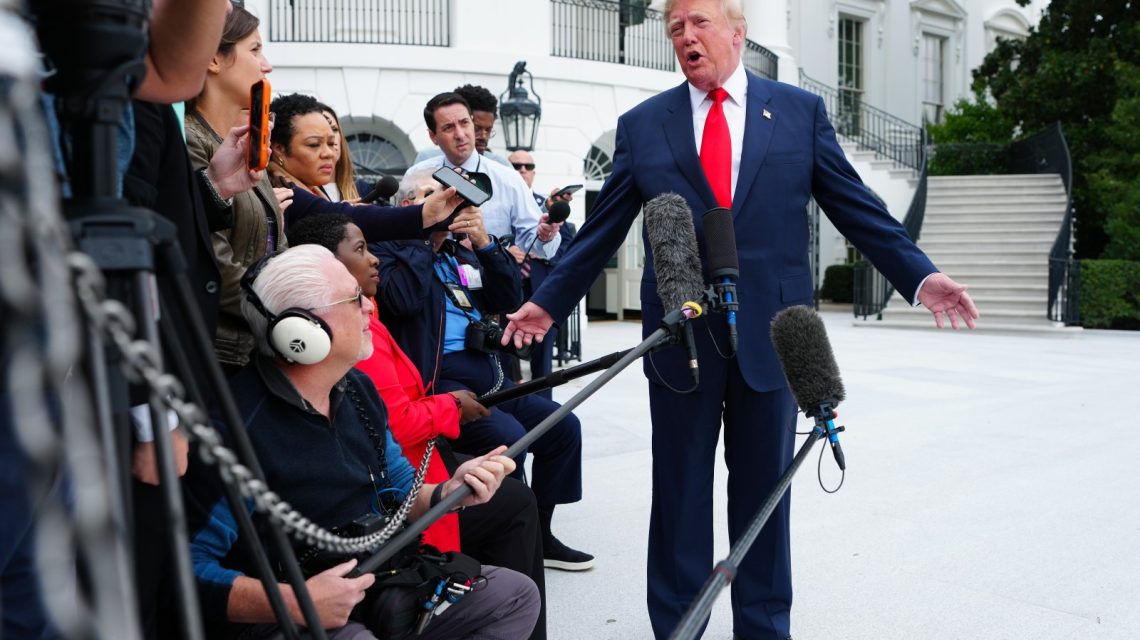
A federal judge has issued a preliminary injunction that prevents the Trump administration from enforcing a ban on journalists from CNN, MS NOW, and Politico at the White House. This decision came after the media outlets presented claims that suggested their rights to due process and First Amendment protections were being violated.
In a detailed 26-page opinion, U.S. District Judge Timothy J. Kelly, who was appointed by President Donald Trump in 2017, found the outlets likely to succeed in their claims. These claims argue that revoking their White House credentials violated the Fifth Amendment’s due process clause and constituted unlawful retaliation and viewpoint discrimination under the First Amendment.
Judge Kelly ordered administration officials, aside from Trump, not to enforce the decision made on September 18, which had revoked hard-pass credentials for CNN, MS NOW, and Politico. As the case progresses, reporters from these organizations have had their access restored.
The ruling was based, in part, on the evidence that Trump likely banned these organizations due to their coverage, which he perceived as biased and inaccurate. Kelly’s opinion noted that there was no substantial national security justification for the revocation of credentials, dismissing the administration’s claims to the contrary.
The court identified that the outlets showed a likelihood of experiencing irreparable harm, emphasizing that losing constitutional freedoms even temporarily can cause significant injury. The ban was initially announced by Trump, citing what he described as excessive “fake news” coverage from these organizations.
The banned reporters, whose White House hard passes were deactivated, took legal actions based on due process violations and claimed that the move was retaliatory and discriminatory in nature regarding their viewpoints.
Kelly had previously granted a temporary restraining order, allowing the organizations continued access. His recent opinion reinforced the stance that D.C. Circuit precedent protects the constitutional interests of hard-pass holders at the White House, prohibiting their revocation without due process.
The judge highlighted Trump’s public admissions, pointing to comments about the negative news coverage and his remarks on wanting the organizations to correct their reporting. Kelly characterized these actions as unlawful viewpoint discrimination.
The Department of Justice contended that access to the White House is a privilege, not a right, and argued against the idea of due process or First Amendment rights being attached to these credentials. They also claimed the outlets failed to meet basic professional standards and had published sensitive national security information. These arguments were not accepted by the court in its ruling.
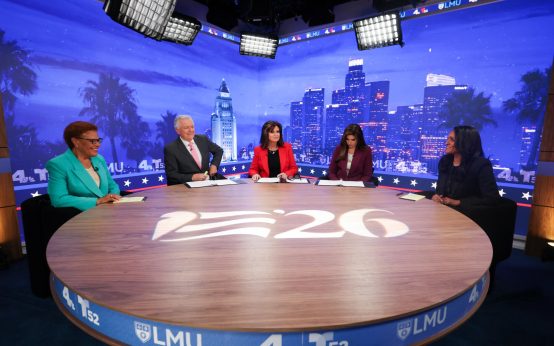 Analysis of the L.A. Mayoral Debate: Key Points from Bass vs. Raman
 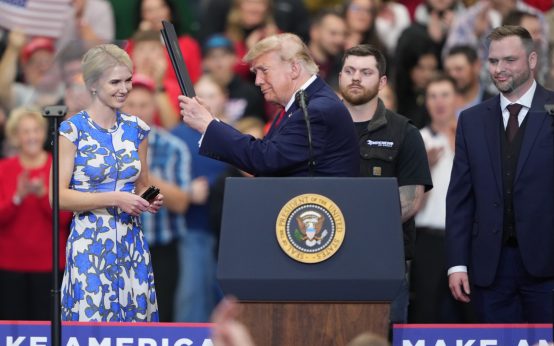 Trump Campaigns in Alaska to Support GOP Candidates
 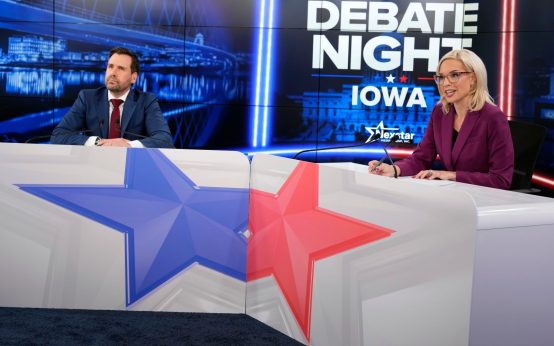 Final Debate Highlights in Iowa’s Competitive Senate Race
  New York City Mayor Stands Firm on NYPD Commissioner Amid Controversy
 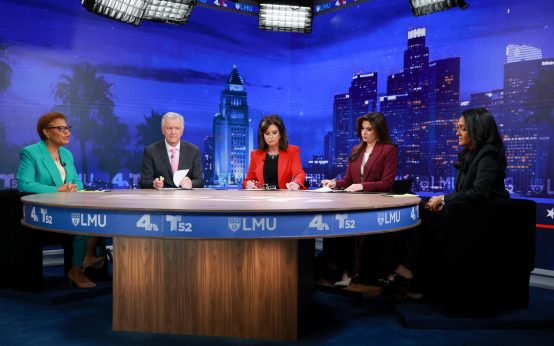 Bass and Raman Clash in Final Debate Before Election
  Analyzing the L.A. Mayoral Debate: Key Takeaways