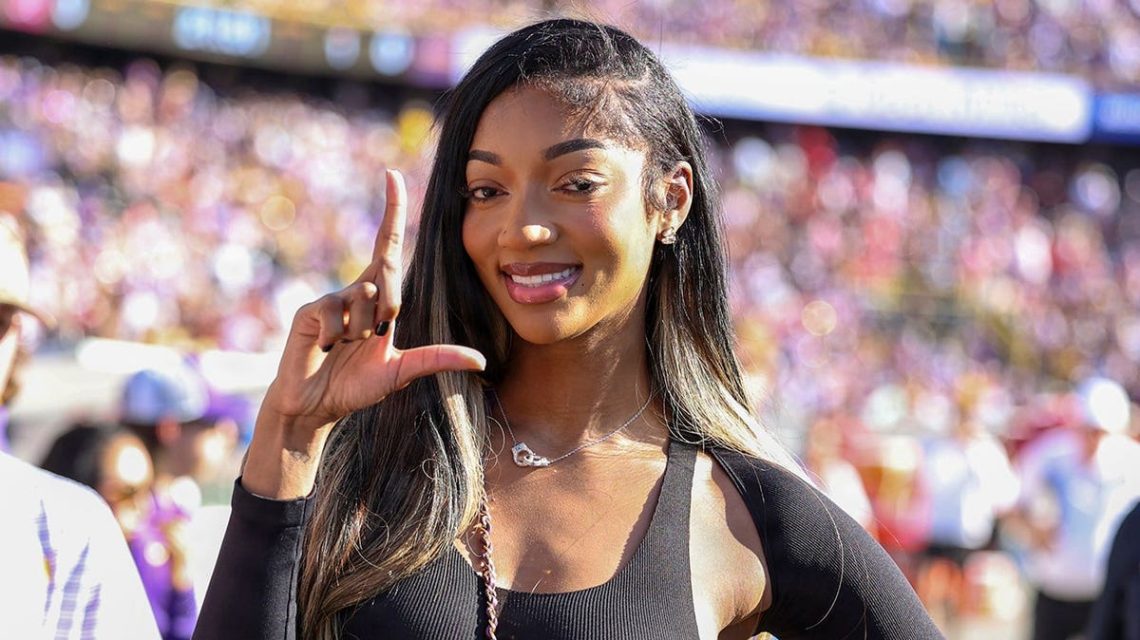
In a recent conversation on OutKick’s “Don’t @ Me with Dan Dakich,” I was asked about the biggest storyline in the WNBA season and its connection to basketball. The response was straightforward: No, it won’t be about basketball.
The primary focus of my coverage wasn’t on just who won but rather on the actions of teams leaving the court before the national anthem. This was the subject of inquiry during my time at the WNBA Finals, spanning trips between San Francisco and Atlanta.
Chiney Ogwumike of ESPN, during an appearance on “First Take,” suggested a shift in media coverage towards the quality basketball in the WNBA’s 30th year. “In my opinion, we should be giving airtime to the beautiful basketball being played,” she remarked.
Observations on Basketball Performance
Focusing on the finals, Gabby Williams and Angel Reese were key players. Before Game 7, both had a combined field goal percentage of 34.4%. In the NBA, the lowest percentage for a Finals MVP was 40.5%, achieved by Kobe Bryant in 2010. At halftime of Game 7, Atlanta led with a tight score of 30-24, with both teams shooting at 31.8%. Reese and Williams had modest contributions, scoring seven points combined by halftime.
In the second half, Williams scored 28 points. This led to Golden State winning their first WNBA championship with a 68-63 victory. She closed the game with a decisive three-pointer and finished with 30 points and four blocks. Despite this, she had the lowest Finals MVP shooting percentage at 32.6% in series history.
Reese’s performance saw her shoot 40.5%, with a paint shooting percentage of 41.8%. She highlighted her rebounding skill with an average of almost 13 rebounds, though scoring around the basket could improve.
The Selling Power of Drama
Post-Game 3, Reese taunted Golden State with a “too small” gesture, then celebrated after scoring 21 points and 12 rebounds, bringing her team to a 2-1 series lead. However, in subsequent games, her shooting faltered (4-for-20) and complaints about officiating surfaced.
Reese’s confrontational moments have a history, notably seen in the 2023 national championship game against Caitlin Clark. Her taunts persisted throughout, resulting in a watched rivalry when the Iowa Hawkeyes eliminated LSU in later matchups.
This past August, a game between Clark’s Fever and Reese’s Dream drew 2.6 million viewers, marking ESPN’s biggest WNBA audience. As Caitlin Clark becomes a larger draw, Reese remains a significant counterpart, maintaining a narrative that viewers engage with.
Game 7 recorded 3.3 million viewers—a commendable achievement for the WNBA. Even those rooting against Reese saw Gabby Williams shine in the championship game.
The takeaway is clear: storytelling in sports should focus on what audiences naturally care about, rather than steering their attention.
Dan Zaksheske, serving as a reporter at OutKick, aims to present the stories as they unfold.
 Sports Stars in Pro Wrestling: The Crossover Continues
 Tom Jackson: Remembering an NFL Icon and Broadcasting Legend
 Colts’ Decision on Daniel Jones Sparks Industry Discussion
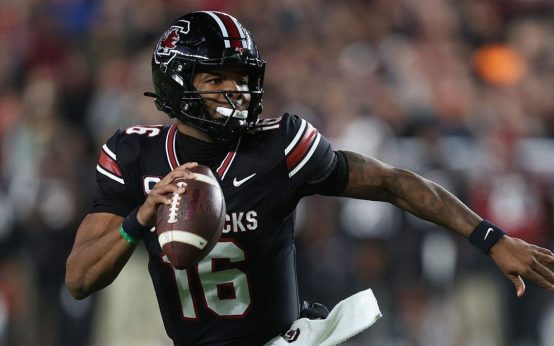 Confusion Over South Carolina QB’s Senior Status
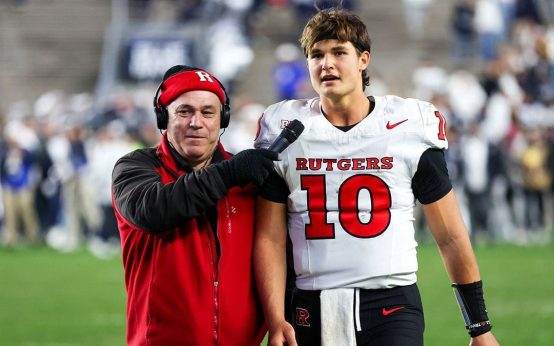 Rutgers’ Historic Victory over Penn State Ends 38-Year Drought
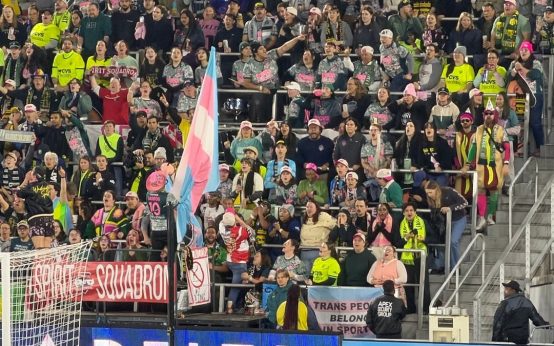 Women’s Sports Advocate Navigates NWSL Championship Amid Tensions