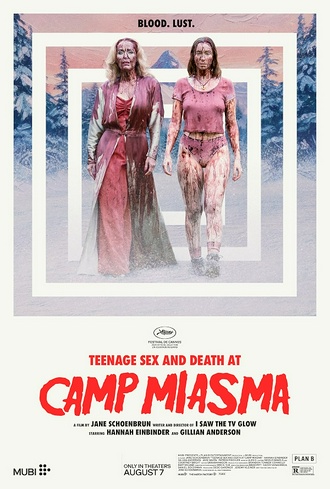
The opening credits of “Teenage Sex and Death at Camp Miasma” weave a narrative. In the 1980s, a slasher film titled “Camp Miasma” became a sensation, leading to multiple sequels. Some of these sequels went straight to video. The film franchise extended beyond movies, generating character trading cards, an arcade game, and cultivating a loyal fanbase. It gained the status of a cult classic, evidenced by an unsuccessful attempt to adapt it into a Quibi series. Later, the franchise was critically reassessed as a ‘problematic classic’ due to its portrayal of trans characters and teenage sexuality. Predictably, the studio chose to reboot the franchise, appointing Kris, a director recognized at Sundance and identifying as queer, to lead this project.
This backstory unfolds with a sharp wit, reflecting a journey familiar to many horror franchises influential to millennials. Examples include the “Sleepaway Camp” and “Friday the 13th” series. Some film enthusiasts, even those who became filmmakers, are drawn to these series despite reservations about their treatment of stereotypes related to sex, race, and gender or their potentially violent or transphobic content. Many bloggers and critics engage in extensive debates about these films. Loving such films can shape your identity, making rejection feel like denying yourself.
Jane Schoenbrun, the writer and director, excels at capturing the influence of media on viewers. Their previous film, “I Saw the TV Glow”, serves as an allegory for trans identity and obsession with long-running TV series during formative years. It draws inspiration from shows like “Buffy the Vampire Slayer” and “The X-Files.” Earlier, “We’re All Going to the World’s Fair” explored internet memes from an older online era, before corporate and influencer dominance.
In “Teenage Sex and Death at Camp Miasma,” Schoenbrun shifts to big-screen storytelling. Kris, played by Hannah Einbinder, aware of the studio’s intention to amend the franchise’s contentious portrayal of LGBTQ characters, aims to outsmart them. However, Kris’s strategy remains unclear, steeped in a deep intellectualization of horror and the “Camp Miasma” series. This mirrors an effort to navigate complex emotions. Her previous Sundance film, titled “Jouissance,” included a reinterpretation of “Psycho” from the shower curtain’s perspective. Kris seeks out Billy, portrayed by Gillian Anderson, who played the ‘final girl’ in the initial “Miasma” film and now resides in isolation at the original filming location. Kris hopes to involve Billy in the reboot or at least gain insights from her, motivated by her fascination with a particular scene in Billy’s past performance.
 Taylor Swift Teases New Single and Potential Album Re-recording
  Sturgill Simpson’s Path to Success and Candid Insights
 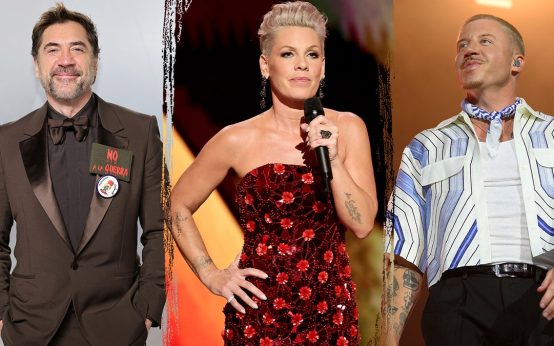 Controversy Surrounding Javier Bardem’s Support for Petition Against Pink
 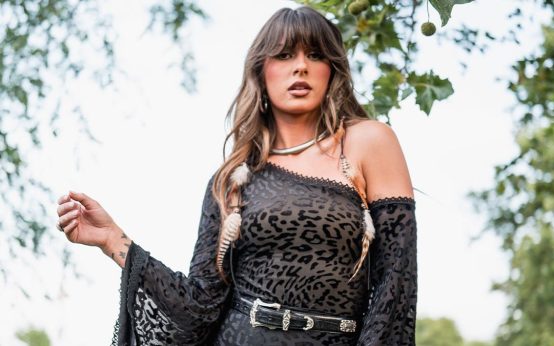 Ella Langley’s ‘Choosin’ Texas’ Makes Billboard Hot 100 History
  Kurt Angle Reflects on His Wrestling Career in WWE and TNA
  Bunnie Xo’s Post-Divorce Life: Fun and Freedom