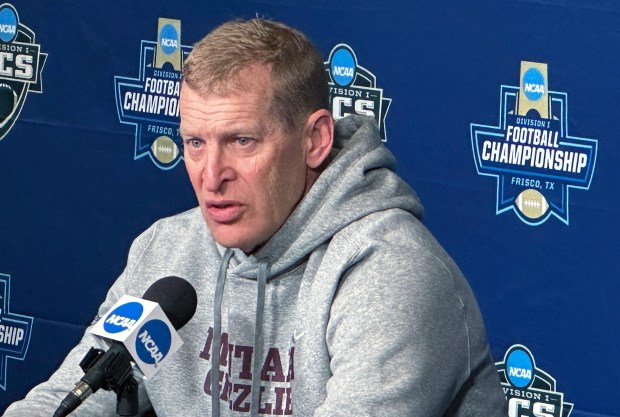
Change at Gies Memorial Stadium
Bret Bielema noticed key moments over the last two years when changes became evident at Gies Memorial Stadium. Notably, the 2024 win against Michigan brought substantial energy, commemorating the stadium’s 100-year anniversary. The Illini’s 21-7 victory ended a 14-game losing streak against the Wolverines. Bielema felt that the crowd influenced the players’ performance. Similarly, last season’s victory against USC with a game-ending field goal further showcased increased fan interest.
In two seasons, Illinois secured 19 wins, setting a program record. This momentum continued as the athletic department sold out public season tickets for a second consecutive year and anticipates student tickets selling out too. Additionally, Gies Memorial Stadium will feature college football’s largest scoreboard, over 17,300 square feet, and other upgrades, courtesy of a $100 million donation from alumnus Larry Gies.
Illinois football, under Bielema’s leadership for six seasons, enters a pivotal period. The question remains if they can maintain this momentum with a restructured roster and coaching staff.
1. The Role of Bobby Hauck on Defense
The offseason saw significant changes, particularly in the defense. Aaron Henry departed for Notre Dame, and Illinois welcomed Bobby Hauck to steer the defense. Hauck, known for his extensive experience, including 14 seasons at Montana and a stint at UNLV, joins as defensive coordinator. Bielema sought Hauck for his ability to manage defense autonomously.
As a head coach, I’m at my best when I don’t have to worry…
Under Hauck, the defense, comprising several newcomers and an experienced secondary led by Xavier Scott and Matthew Bailey, transitions to a 3-3-5 formation. Joe Barna describes it as fun, fast, and aggressive, allowing players creativity and freedom. Hauck emphasizes tackling well and playing hard, fostering a disciplined approach. Hauck’s old-school methods are evident in meetings focused on effort and showcasing players’ determination.
2. Katin Houser as Quarterback Successor
Success in previous seasons linked closely to Luke Altmyer’s performance. With Altmyer now with the Detroit Lions, Katin Houser takes the helm. With 26 starts at Michigan State and East Carolina, Houser brings a wealth of experience, evidenced by 3,300 passing yards and 19 touchdowns last season. His efficient ball handling and routine-oriented preparation aim to continue the team’s success.
Emphasizing leadership, Houser organized a bonding trip with teammates to California, fostering close relationships. Offensive coordinator Barry Lunney Jr. notes Houser’s command over the offense, highlighting his communication skills and strategic thinking.
3. Potential Skill Player Standouts
While Jayshon Platt, an anticipated receiver, is sidelined in the opener due to injury, Collin Dixon and Hudson Clement lead the receivers, boasting 71 catches, 1,002 yards, and eight touchdowns last season. The team seeks to replace Hank Beatty’s notable 2025 performance with contributions from newcomers like Platt once he recovers.
The running back room remains strong with Ca’Lil Valentine and Aidan Laughery returning. Kaden Feagin’s transition to tight end due to long-term ambitions is a notable change, with Jordan Anderson moving to running back. Valentine seeks to elevate his game utilizing insights from Feagin’s previous mentorship.
4. Rebuilding Offensive and Defensive Lines
Bielema focused on enhancing the offensive line via transfers like Jake Renfro and Christian Martin, aiming for strong cohesion. Renfro, already a captain, forms a crucial duo with Houser for maintaining protection. Conversely, the defensive line underwent reconfiguration, embracing smaller, faster athletes; a strategic decision addressing financial constraints on larger players.
While the defensive front braces for significant changes, returnees and transfers like Darrell Prater are expected to step up. Hauck aims for productivity amid this transition, fostering a collective team identity.
5. Achieving Steady Success
Bielema acknowledges the past’s challenges, emphasizing the importance of not resting on previous victories. With back-to-back eight-win seasons not seen since 1989-90, sustaining this success is crucial. He stresses avoiding complacency and the need to prove their mettle, especially against formidable opponents like Ohio State and Oregon. Houser and the team focus intently on the upcoming season, aspiring for consistent accomplishments.
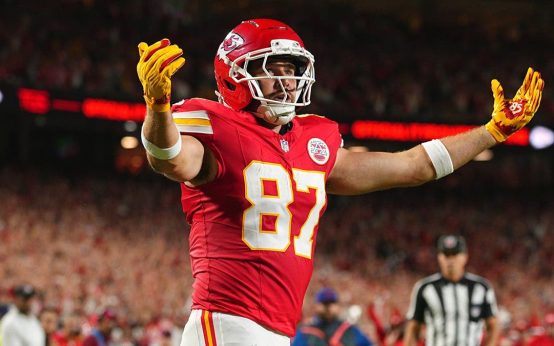 Travis Kelce Sparks Excitement at Arrowhead Stadium
 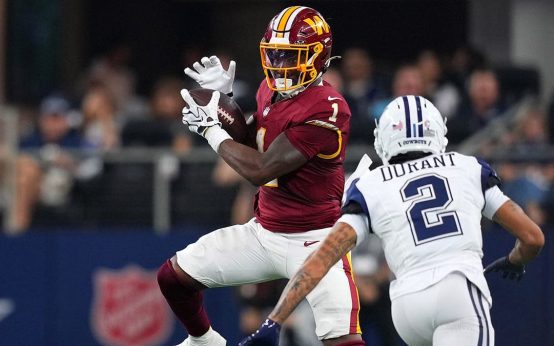 Dallas Cowboys Defeat Washington Commanders Amid Player Injury
 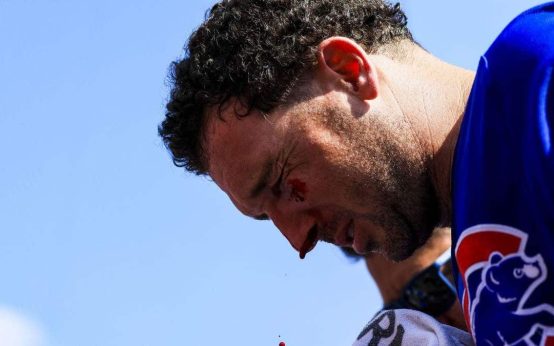 Chicago Cubs’ Alex Bregman Suffers Facial Injury from Foul Ball
 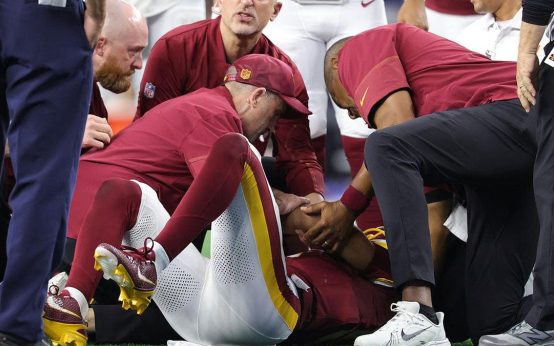 Washington Commanders Face Major Setback as QB Jayden Daniels Suffers Elbow Injury
 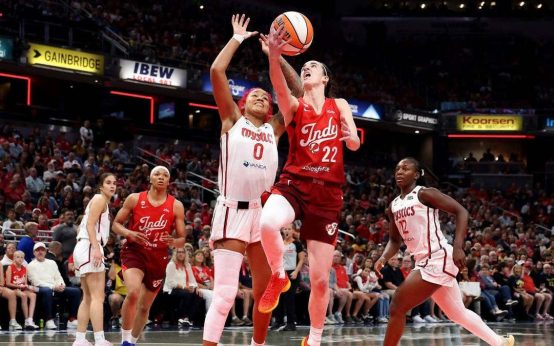 Indiana Fever’s Struggles Against Washington Mystics
 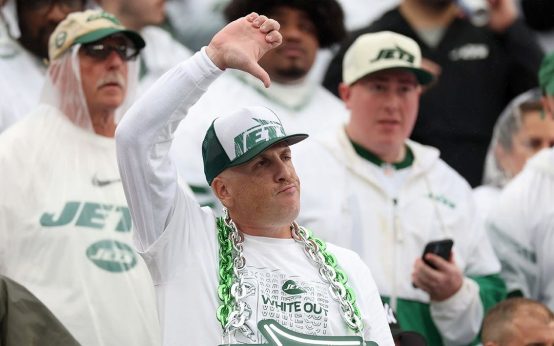 New York Jets Fall to Green Bay Packers After Fourth-Quarter Collapse