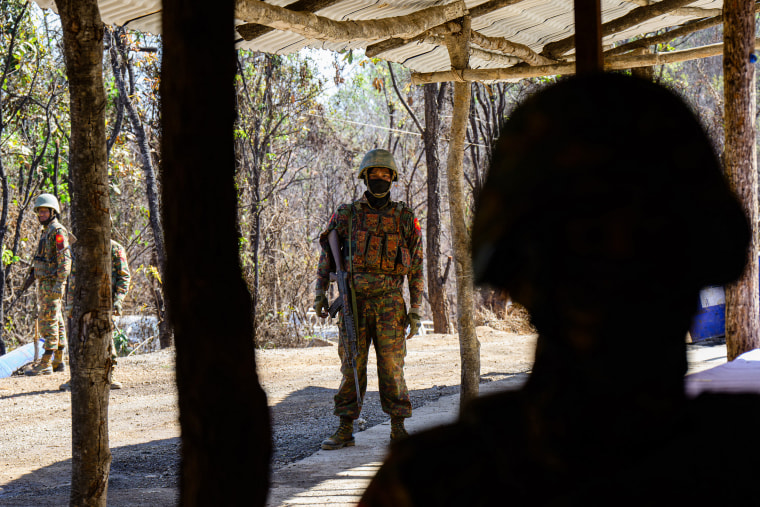
Since a new administration took office, Myanmar has witnessed a significant increase in attacks on civilians by the military. This information comes from the Armed Conflict Location & Event Data Project (ACLED), which reported an upsurge in violence following the ascent of a new military chief in late March. This change in leadership coincides with heightened diplomatic efforts by regional governments.
ACLED highlighted this rise in violence as a result of the strategic changes implemented by the new military leader. The new military leadership has actively engaged in employing specialized jet fighter groups that conduct persistent airstrikes on targeted locations. A spokesperson for Myanmar’s government did not provide a response when questions were posed by Reuters.
ACLED compiles data from diverse resources, including media outlets, local partners, the United Nations, international monitoring bodies, and human rights organizations.
A recent development in Myanmar’s political sphere relates to the ousting of Aung San Suu Kyi’s government in February 2021, which triggered a civil war with severe casualties and displacement. The election, which barred numerous opposition parties, positioned Min Aung Hlaing as the president, while Ye Win Oo was appointed as the new military commander. Under his leadership, Myanmar has seen renewed military offensives, especially in critical border areas rich in valuable resources, and regions with crucial trade routes.
ACLED cautions that civilian reprieve seems unlikely as the junta places emphasis on solidifying its power. Data from the first half of 2026 records over a dozen mass killings, with more than 450 civilians killed, primarily in the central dry zone known as the Anyar region. An example of this violence was observed in May, when junta forces attacked Myit Chay township, leading to at least 40 deaths.
The tactics in 2026 are portrayed as a continuation of civilian oppression, albeit with varying methods, rather than a reduction in intensity. This period has also seen diplomatic activities, with Min Aung Hlaing visiting India and China, and tentative re-engagements with ASEAN. An official visit to Thailand is scheduled for August 6-7, as Min Aung Hlaing seeks additional legitimacy.
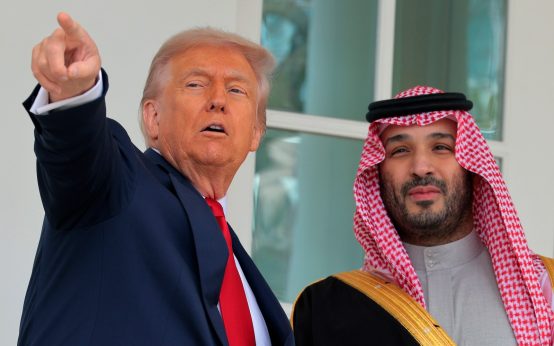 White House Approves F-35 Sales to Saudi Arabia Amidst Regional Tensions
  Inside the Secret Deals Powering the President’s Push to Deport Migrants to Countries Not Their Own
  Navigating the Challenges of Third-Country Deportations
  Midair Altercation on Bangladesh to London Flight
 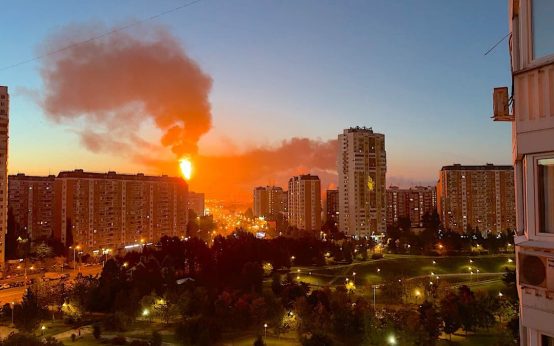 Ukraine Missile and Drone Barrage Hits Russia Amidst Elections
  U.S. Strategic Goals Remain Unmet Amid Prolonged Conflict