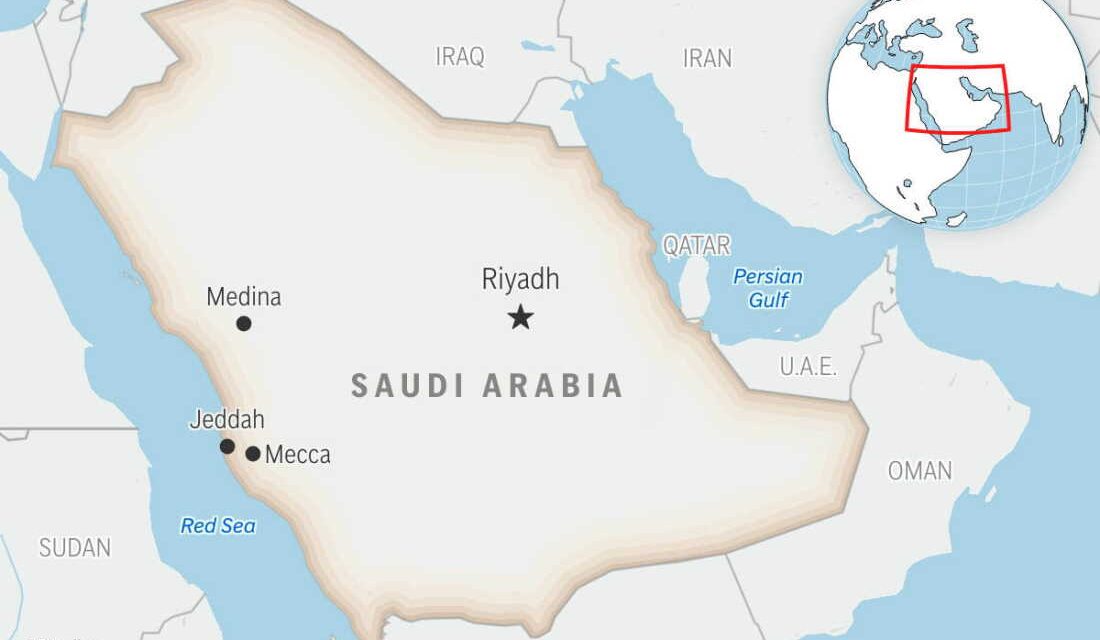
A recent wave of Houthi assaults on Saudi Arabia resulted in injuries to over 70 individuals and ignited fires at several oil facilities and utilities near the kingdom’s southern region, according to authorities. This marks a significant escalation in the conflict between a key U.S. ally and the Iranian-backed rebels in Yemen.
Renewed Clash and Its Implications
The attacks followed a renewal in clashes between the Houthis and Saudi-supported government forces in Yemen, disrupting a four-year truce in the civil war. This surge in conflict introduces new instability to a region already troubled by prolonged wars, potentially impacting the global economy.
The ongoing conflict threatens to disrupt shipping via the Bab al-Mandeb strait, a vital Arabian Peninsula route essential for oil and global trade flows. Additionally, the strife occurs while the Iran conflict nearly impedes shipments through the Strait of Hormuz, historically pivotal for oil transport.
Recent Attacks and Responses
Fierce fighting persists across Yemen, particularly along the west coast. Government forces claim to have regained territories in Hodeida, Taiz, and Baydah provinces. Meanwhile, the Houthis targeted Saudi oil installations and tankers in the Red Sea.
Maj. Gen. Turki al-Malki, a Saudi-led coalition spokesperson, confirmed that the attacks impacted “civilian and economic facilities” in Abha, Jazan, Najran, and Khamis Mushait, wounding 73 people, including women and children. Firefighters continue to combat the resulting fires at multiple oil facilities. The Houthis claimed responsibility, asserting the attacks retaliated against recent Saudi offensives in Yemen.
Statements and Defense
Brig. Gen. Yahya Saree, the rebels’ military spokesman, detailed their use of ballistic missiles and drones targeting crucial oil and economic facilities in addition to a southern air base. The Houthis also attacked significant industrial hubs like the Jazan City for Primary and Downstream Industries and facilities in Najran and Abha.
Nasruddin Amer, deputy head of the Houthi media office, broadcasted support for the attacks, declaring that Saudi Arabia must recognize that offenses against Yemen cannot go unanswered.
Increasing Humanitarian Concerns
An airstrike earlier targeted a prison in Yemen’s Jawf province, allegedly by Saudi Arabia, leaving several casualties. In immediate retaliation, the Houthis launched missile strikes at Saudi territories, prompting a national blockade that ended a 2022 ceasefire. This escalation has intensified conflict areas significantly.
The fighting has displaced approximately 18,500 individuals, primarily from Taiz and Hodeida, worsening humanitarian concerns. The International Organization for Migration reported that many displaced families arrived in neighboring regions without basic necessities.
The underlying conflict began in 2014 when the Houthis overtook Yemen’s capital, Sanaa, and pressed the government into exile. The Saudi-led coalition’s intervention aimed to reinstate the exiled government. The civil war’s toll stands at an estimated 150,000 lives lost, placing Yemen on the edge of famine.
 U.S. Strategic Goals Remain Unmet Amid Prolonged Conflict
  New Photos Reveal Damage from Iranian Strikes in the Middle East
  Assassin of Chilean Diplomat Orlando Letelier Faces Deportation 50 Years After Assassination
  Gorillaz and Macklemore Respond to Controversy Over Israel-Palestine Statements
  Investigation into Lion Deaths in Tanzania
  Merz Stays Resolute Amid Electoral Shifts in Germany