Drones carrying explosives targeted Northern Iraq, where U.S. forces are stationed. Sirens also sounded in Bahrain following the incident. This unfolded after the U.S. military completed another series of strikes against Iran. The ongoing conflict has intensified, with the U.S. striking Iran and Tehran attacking ships in the Strait of Hormuz and regional U.S. assets and allies.
The Strait of Hormuz remains central to the conflict due to its significance in global energy supply. Disruption here can lead to soaring fuel prices and economic difficulties worldwide. Adding pressure, Iranian-allied Houthi rebels targeted two Saudi tankers in the Red Sea, threatening to block an alternate route for oil traffic in the region.
Despite widespread unpopularity and significant impact, the fighting shows no signs of resolution. Over recent weeks, Iran reported 55 deaths and more than 600 injuries due to strikes. The U.S. and Israel launched attacks on Iran on February 28, with objectives including toppling Tehran’s government and ending its nuclear program. The conflict has centered on control over the Strait of Hormuz.
On Friday, U.S.-led forces intercepted five explosive-laden drones over Irbil city, the capital of Iraq’s Kurdish region. An Associated Press journalist reported multiple explosions. Despite the attacks, operations at the city’s airport continued as normal. U.S. military officials in Iraq have not commented on the situation.
The U.S. maintains around 2,500 troops in Iraq. Many have moved to Irbil from other areas, and Iran’s Revolutionary Guard has warned neighboring countries to distance themselves from bases hosting U.S. troops. Bahrain reported intercepting Iranian aerial attacks on the same day.
U.S. strikes hit multiple Iranian targets, including a naval base and Qeshm Island. The focus remains on reducing Iran’s threats to civilian and commercial vessels passing through regional waters.
The Houthis have intensified the situation by targeting Saudi oil tankers in the Red Sea. These actions have driven up Brent crude prices and raised concerns over shipping routes vital for Middle Eastern oil transport. Saudi Arabia has been redirecting oil through its Red Sea port of Yanbu to avoid the Strait of Hormuz.
President Donald Trump issued a warning to the Houthis, threatening military action if ship attacks persist. He also suggested using sanctioned Iranian funds held by the U.S. to repair any damages caused in the war. Iran’s Foreign Minister condemned this, arguing it sets a dangerous precedent.
Thousands of mariners remain stranded near the Strait of Hormuz, with the U.N. calling for urgent interventions to provide aid. Some mariners have been abandoned by their ships’ owners, leaving them without essential provisions.
Iran insists it has rights over managing Strait traffic and possibly charging fees, a practice that was toll-free before the conflict.
Reporters Frankel in Jerusalem, Bassem Mroue in Beirut, and Jamey Keaten in Geneva contributed to this coverage.
 Gorillaz and Macklemore Respond to Controversy Over Israel-Palestine Statements
 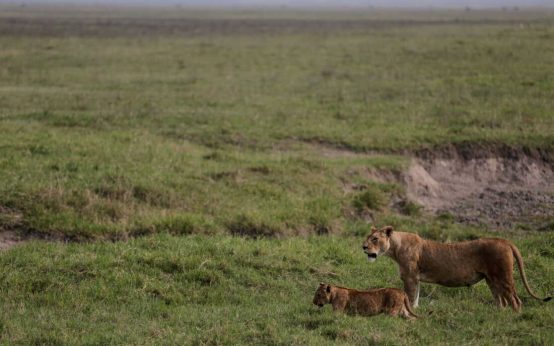 Investigation into Lion Deaths in Tanzania
  Merz Stays Resolute Amid Electoral Shifts in Germany
 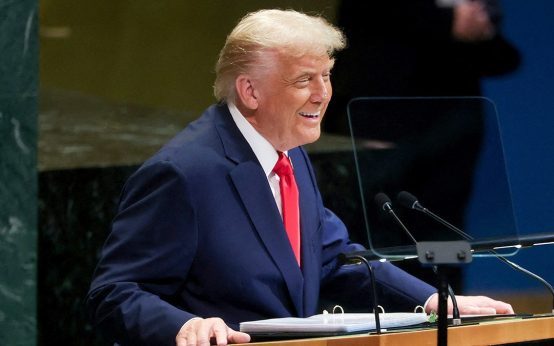 U.S.-Iran Relations and Diplomacy at Upcoming U.N. Assembly
 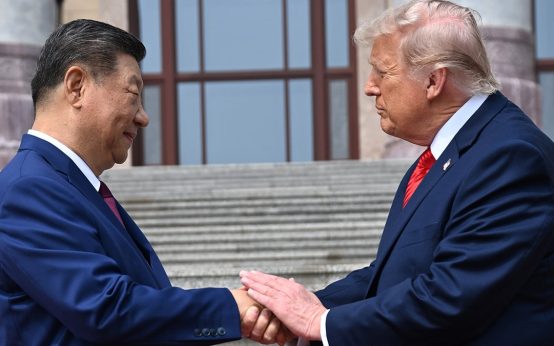 US-China Relations Under Scrutiny: Expert Warns of Escalating Tensions
 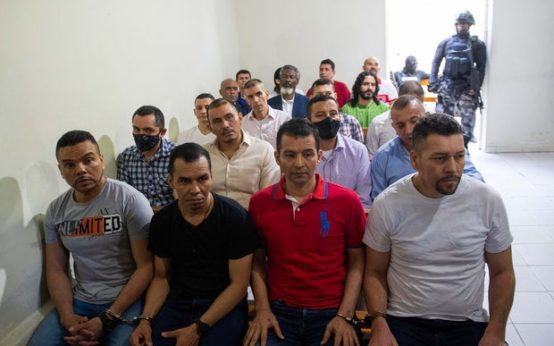 Extradition of Suspects in Haitian President’s Assassination