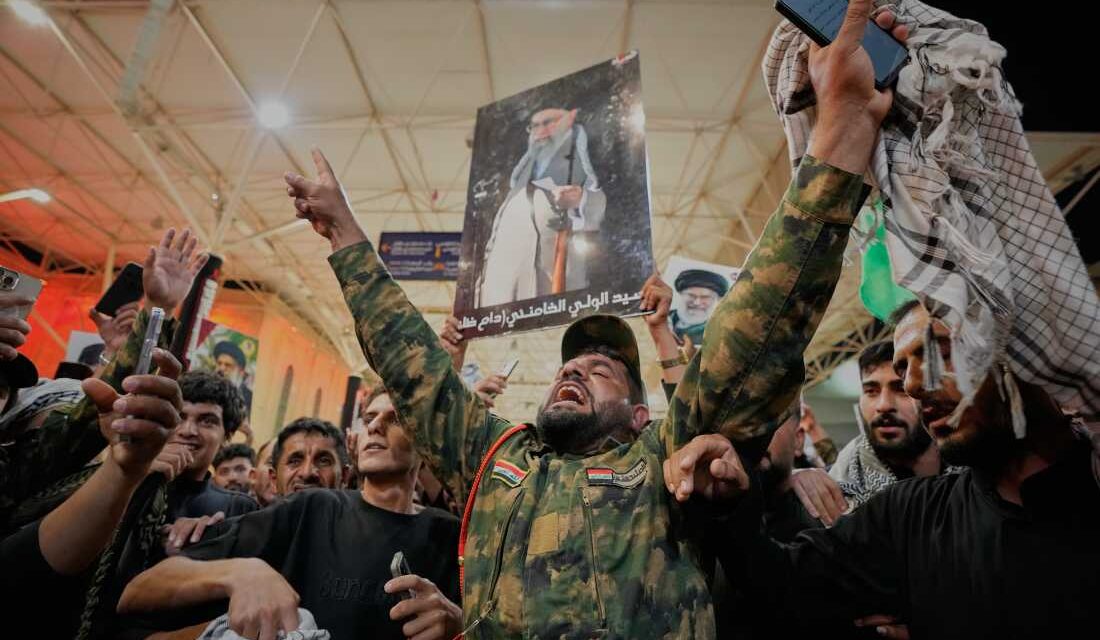
An Iraqi Shiite soldier was seen chanting outside the Imam Ali Shrine in Najaf, Iraq on the eve of funeral ceremonies for the late Iranian Supreme Leader Ayatollah Ali Khamenei. This atmosphere of mourning was disrupted by renewed conflict.
US Military Strikes Back
The United States military launched attacks on Iran early Wednesday, retaliating after Tehran targeted three ships in the Strait of Hormuz. This effort also included revoking Iran’s ability to sell crude oil openly in the world market. As Iran responded with its own strikes on Bahrain and Kuwait, tensions in the Middle East intensified. These attacks threatened an interim agreement designed to halt ongoing conflicts.
The hostilities coincided with the funeral for Khamenei, who was killed on February 28 at 86. The funeral had been expected to lower tensions, but mourners expressed hostility towards U.S. President Donald Trump and Israeli Prime Minister Benjamin Netanyahu. Plans for negotiations focusing on reopening the strait and addressing Tehran’s nuclear program were set, but the recent attacks disrupted these efforts.
Iran’s Parliament Speaker, Mohammad Bagher Qalibaf, declared on X that “the era of bullying and extortion is over.”
Overnight Strikes against Iran
The U.S. Central Command reported that American forces conducted strikes to penalize Iran for attacking commercial shipping. These strikes targeted Iranian air defense systems, radars, and over 60 small boats used by Iran’s Revolutionary Guard, which have contributed to harassment in the strait. The U.S. military emphasized its readiness to hold Iran accountable if agreements are violated.
Iran acknowledged the strikes without providing details on losses. Iranian media reported explosions in Bandar Abbas, Qeshm, and Sirik. Meanwhile, missiles alert sounded in Bahrain and Kuwait. The Guard claimed responsibility for targeting U.S. military installations in these countries.
These developments occurred while President Trump attended a NATO summit in Turkey. A previous similar incident late last month also saw Iranian attacks on Bahrain and Kuwait, following U.S. retaliatory strikes.
Revocation of Iranian Oil Sales License
In concert with the strikes, the U.S. revoked a license that allowed Iranian oil sales in the international market. This decision followed the initial attacks. Iranian TV claimed a liquefied natural gas tanker was hit for ignoring warnings, although no direct claim was made. The UK Maritime Trade Operations reported that other ships sustained damage in the Strait of Hormuz.
Iran has maintained a stronghold on the Strait, affecting global energy markets. Ships attacked on Tuesday were using a route close to Oman’s shore rather than one designated by Tehran. Iran’s insistence that only its approved routes are safe continues to create tension.
Qatari Foreign Ministry spokesperson Majed al-Ansari condemned the attack on the Qatari tanker Al Rekayyat, describing it as an attack on global energy security. He held Iran legally responsible.
The interim agreement allowed ships to pass through the strait without fees for 60 days, but Tehran demands control over vessel routes, intending to later impose charges. This proposal has been rejected by the U.S. and Gulf Arab states.
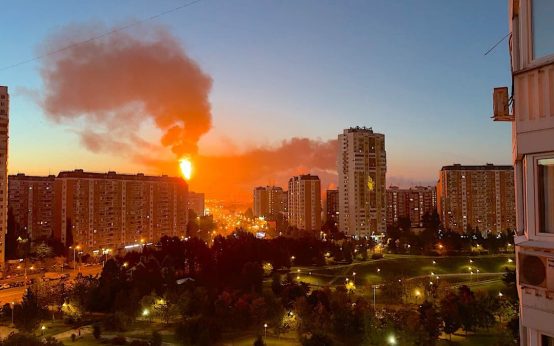 Ukraine Missile and Drone Barrage Hits Russia Amidst Elections
  U.S. Strategic Goals Remain Unmet Amid Prolonged Conflict
  New Photos Reveal Damage from Iranian Strikes in the Middle East
  Assassin of Chilean Diplomat Orlando Letelier Faces Deportation 50 Years After Assassination
  Gorillaz and Macklemore Respond to Controversy Over Israel-Palestine Statements
  Investigation into Lion Deaths in Tanzania