
The United States intensified its operations against Iran early Thursday. The strikes now extend further north, with American forces targeting a ship attempting to breach the naval blockade on the Islamic Republic. In response, Iran launched missile and drone attacks targeting U.S. allies in the region, hinting at a possible escalation.
The renewed conflict threatens the interim agreement designed to end hostilities with Iran. Recent exchanges have destabilized the region. Reports from Iranian officials indicate that U.S. assaults have resulted in over 35 deaths and more than 300 injuries. For the first time in this conflict cycle, U.S. strikes reached areas near Tehran, indicating a broader target range.
The conflict started on February 28 when the U.S. and Israel initiated military action against Iran. In retaliation, Iran closed the Strait of Hormuz, impacting global prices for oil and other goods, enhancing Iran’s negotiation leverage. Col. Ebrahim Zolfaghari of Iran’s Khatam al-Anbiya Central Headquarters warned of extensive attacks on regional infrastructure if U.S. threats to target Iranian bridges and power plants are executed.
“All the infrastructure in the region will be crushed under the steel blows of the powerful armed forces of the Islamic Republic of Iran.”
He emphasized the Strait of Hormuz as a critical boundary, stating, “This is Iran’s invincible red line.”
The region remains volatile, with strikes impacting various Iranian provinces, including Semnan, known for its ballistic missile production.
On Wednesday, the U.S. also targeted strategic points such as Greater Tunb Island in the Strait of Hormuz. In addition, the U.S. engaged the Curacao-flagged oil tanker Belma that defied warnings and continued toward Kharg Island, Iran’s primary oil terminal. An American aircraft disabled the vessel by hitting its smokestack.
Further U.S. actions involved a strike on Iran’s 388th Mechanized Infantry Brigade in Sistan and Baluchestan province, where at least 13 missiles were fired. Iranian media reported seven fatalities and several injuries among Iranian soldiers.
Iran retaliated by attacking locations in Bahrain, Jordan, and Kuwait, where U.S. forces are stationed. Authorities in these regions have yet to confirm damage or casualties. Meanwhile, Iraq’s Prime Minister, Ali al-Zaidi, condemned an attempted drone strike on Irbil during his visit to the U.S., pledging efforts to disarm Iranian-backed non-state armed groups.
The Strait of Hormuz remains a focal point in the ongoing confrontation, with Iran challenging ships on a U.S.-controlled route. Although the U.S. threatens to reopen the strait by force, experts suggest such efforts would require substantial military resources.
Oil prices continue to climb, complicating matters for the Trump administration as it aims to maintain congressional control with upcoming elections. Despite attempts to ease tensions, mediators have seen little progress. President Donald Trump maintains that a peace agreement with Iran is feasible, although he offered few details.
Trump also mentioned a gesture of goodwill by Iran through social media, referring to the release of Dena Karari, an American citizen, although Iran has not confirmed this act. The complex situation in the Middle East persists as the international community watches closely.
 Gorillaz and Macklemore Respond to Controversy Over Israel-Palestine Statements
 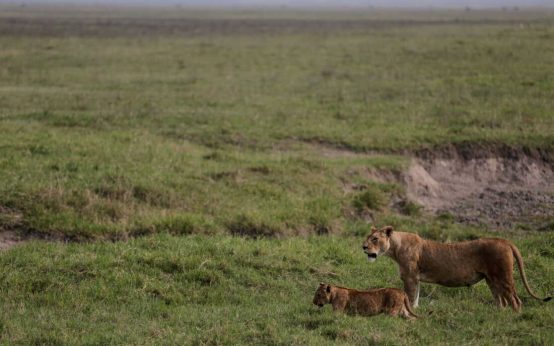 Investigation into Lion Deaths in Tanzania
 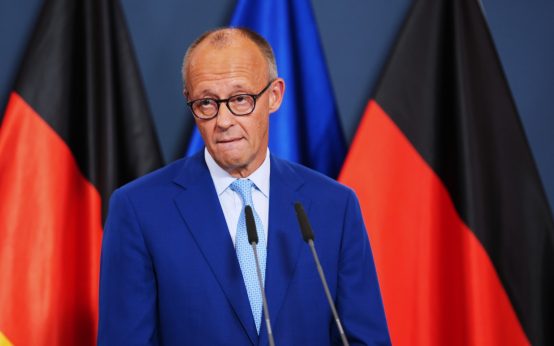 Merz Stays Resolute Amid Electoral Shifts in Germany
 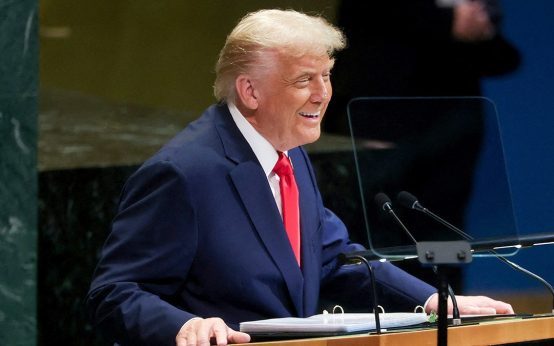 U.S.-Iran Relations and Diplomacy at Upcoming U.N. Assembly
 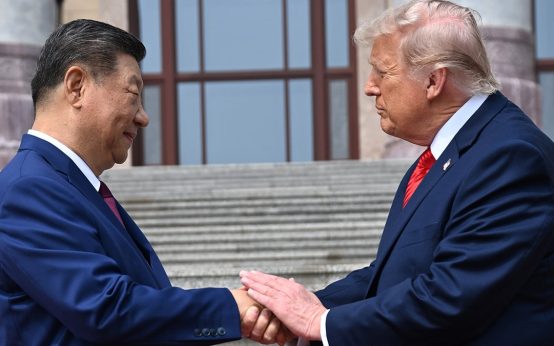 US-China Relations Under Scrutiny: Expert Warns of Escalating Tensions
  Extradition of Suspects in Haitian President’s Assassination