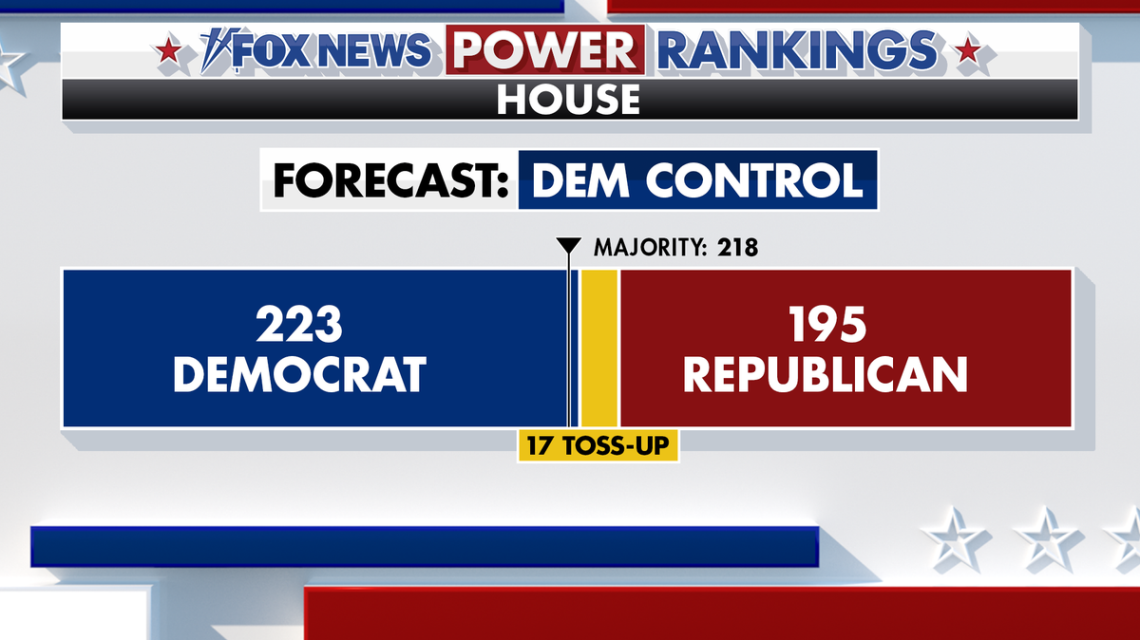
The political landscape heading into the midterms is shifting with Kansas moving from Lean Republican to Toss-up and Nebraska from Likely Republican to Lean Republican. Although Kansas is often a conservative bastion, Republicans are investing heavily in maintaining control. This indicates an uncertain lead for Senator Roger Marshall over Democrat Adam Hamilton. In Nebraska, the odds still lean in Republican Senator Pete Ricketts’ favor. However, a significant swing could allow independent Dan Osborn to disrupt Republican control.
Seven states are pivotal in determining Senate control. A strong Democratic performance could bring them up to 55 seats, while Republicans could retain control with up to 52 seats. The contrasting electorates reveal tensions: one frustrated with President Trump and leaning Democratic, and another undecided about fully empowering Democrats in the Senate. Latest polls show Democrats leading the House battle significantly but suggest the Senate races are much closer.
The House and Senate races seem disconnected due to varied political maps. Even with a House advantage, Senate competitions remain tight with battleground states like Alaska, Iowa, and Kansas seeing a significant portion of voters undecided. It’s crucial for Democrats to win in Trump-stronghold states like Ohio and at least two of the contested battlegrounds to secure Senate control. Former Democratic Senator Sherrod Brown leads in Ohio, suggesting potential gains for Democrats in some areas.
Recent Fox News Power Rankings indicate Democrats are favored in 48 Senate races, with Republicans leading in 45. The Democrats could gain advantages due to key issues like inflation and leadership. Nevertheless, Republicans maintain competitiveness in critical states despite Democratic leads on key issues.
Watch for early results in districts like Kentucky’s 6th, indicative of the House’s future control. Shifts favor Democrats as 19 races move their way following polling data trends. Meanwhile, the Ohio governor’s race moves to Lean Democratic, reflecting broader shifts in response to controversial campaign ads and partisan dynamics.
The political climate remains dynamic with many races dependent on vulnerable voter bases and unpredictable turnout. Voter sentiment and unexpected developments could greatly influence final results next week.
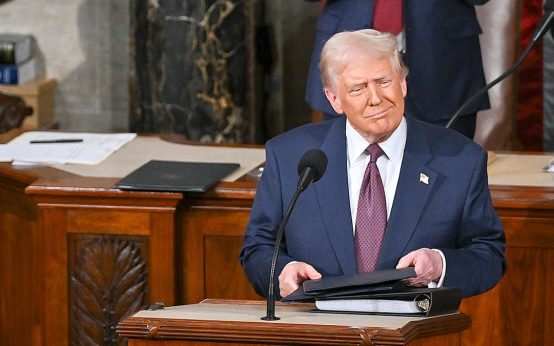 Trump Dismisses Third Impeachment Prospects
 Custody Dispute Involving Rep. Max Miller Delayed
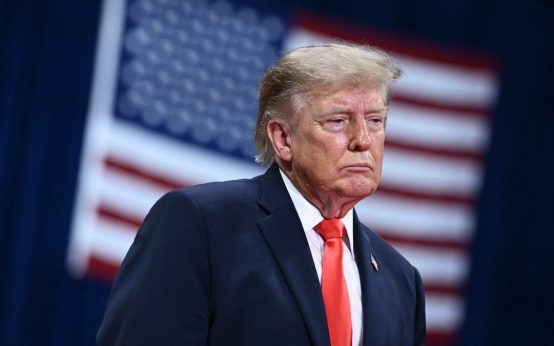 Attorney General Addresses Post-Midterm Democratic Threats
 Senator Elizabeth Warren and the Future of Crypto Regulation
 Bipartisan Opportunities in Foreign Policy
 Political Shifts and Concerns Post-Midterms