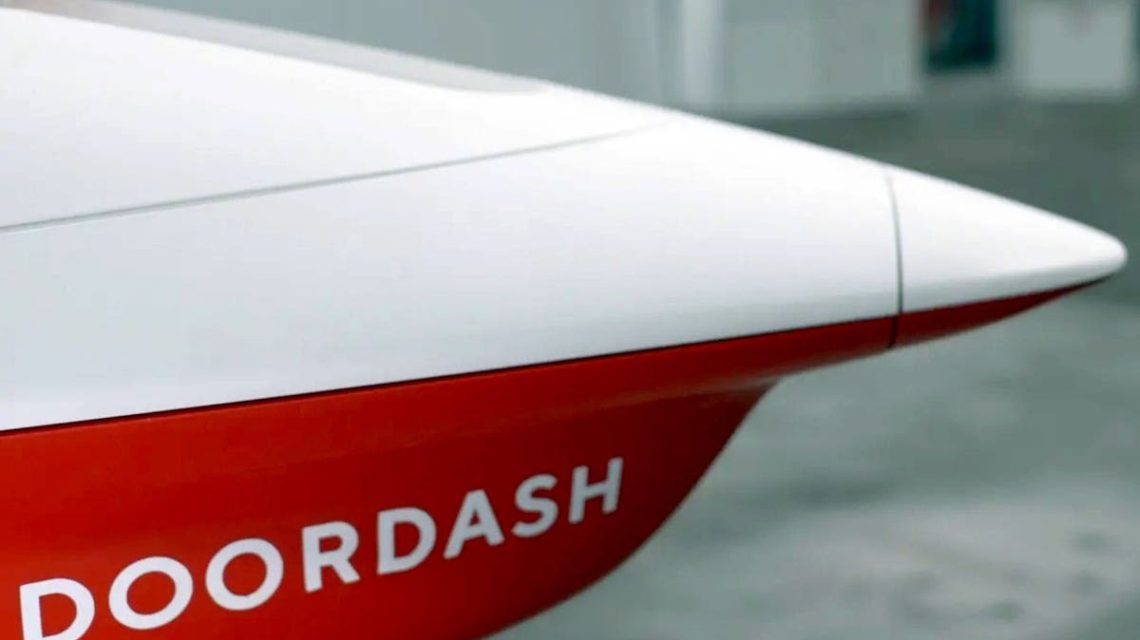
DoorDash has taken a significant step towards modernizing delivery services by earning FAA Part 135 air carrier certification. This certification allows the company to operate DoorDash Air, an in-house drone delivery program, within the United States.
Drone Delivery Initiatives
DoorDash is not getting into the airline business in the traditional sense. Instead, it is exploring innovative delivery methods beyond drivers. Although approved as a commercial drone delivery service, further operational approvals are needed. Specific markets and launch schedules have not yet been announced.
Understanding the FAA Certification
The FAA uses Part 135 certification for companies transporting property for payment, providing a regulatory framework for drone deliveries beyond a pilot’s direct line of sight. Certification requires a rigorous five-phase review, assessing the operator’s aircraft, maintenance procedures, and safety programs. Even with certification, additional authorizations such as exemptions or waivers may be necessary for flights beyond visual line of sight.
The Appeal of Drone Deliveries for DoorDash
DoorDash aims to solve delivery delays, especially for orders traveling between three to five miles. These orders take longer due to the difficulty of matching a Dasher with mid-range trips. By utilizing drones, longer orders can be expedited, allowing drivers to focus on shorter trips near restaurants.
Drone deliveries completed in 2025 averaged about 25 minutes. Some test locations saw a 30% increase in order volume during the nine-week pilot. Such figures suggest potential benefits, although performance can vary by location, weather, and order type.
Collaborations and Technological Development
DoorDash plans to build its own delivery drones alongside existing partnerships with drone developers like Alphabet’s Wing. This will be guided by its robotics and autonomy group, renowned for creating the Dot delivery robot. The drones will be manufactured in the United States. Details such as range, payload capacity, and design will be disclosed in the fall.
Integrating Human and Autonomous Deliveries
Despite drone developments, human Dashers will handle most deliveries. A drone cannot manage tasks like entering buildings or transporting large orders. DoorDash’s Autonomous Delivery Platform will select the best delivery method, whether it’s a Dasher, a Dot robot, or a drone.
Uber Eats is also exploring drone deliveries, and other companies are testing robotic and aerial systems. This reflects a shift in the broader delivery industry.
FAA Certification Limitations
Having FAA certification does not automatically allow unlimited drone flights nationwide. DoorDash has not specified initial markets or timelines. Longer routes may need additional FAA approvals, while local regulations and community considerations will influence operational strategies.
Drone noise, despite being below significant environmental impact levels, could still be a community issue. Therefore, initial services might be limited to areas with predictable routes and ample drop-off spaces.
Implications for Customers
DoorDash’s drone service could improve delivery times for urgent small orders. However, the service depends on being in eligible zones and meeting drone payload limits. DoorDash is testing drones for varied weather conditions, pausing operations during adverse weather to ensure safety.
Pricing structures and tipping mechanisms for Drone deliveries are yet to be clarified. Existing programs allow customers to choose drone delivery at checkout.
DoorDash Air represents progress towards expanded delivery options rather than a full-scale nationwide rollout. FAA certification lays the necessary groundwork for operations. The next challenge is proving the reliability of drones in everyday scenarios.
Kurt’s Key Insights
DoorDash aims to utilize drones to streamline deliveries. FAA certification provides a strong starting point, leveraging its existing infrastructure and data. However, operational success will depend on proving drones’ reliability, tackling food quality issues, and addressing community concerns related to noise.
Human Dashers remain integral, with drones designed for specific routes where traditional methods face constraints.
 Data Centers in Virginia face Growing Opposition
  Texas Leads Air Taxi Innovation with Project Nexus
  Experts Warn Against Alarmism in AI Governance
  AI and the Changing Nature of Google Searches
  Data Centers Stir Controversy in Texas Amid Growth Boom
  The Technology Rivalry: Trump’s Meeting with Xi and the AI Ecosystem Clash