Legislation and Presidential Push
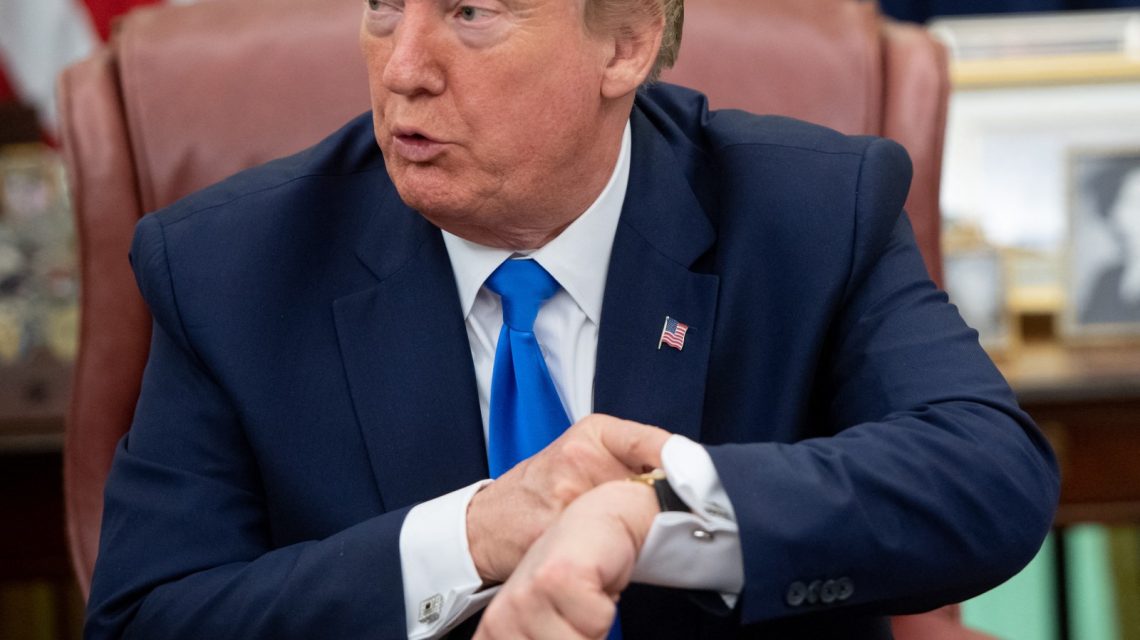
Americans are approaching the biannual clock change, shifting back to Standard Time on November 1. President Donald Trump has reignited discussions about making Daylight Saving Time (DST) permanent. His efforts have brought the topic to the forefront as he urges lawmakers to abandon the clock changes. This idea has met with fluctuating support in Congress in past years, particularly with the Sunshine Protection Act, which passed the Senate but stalled in the House.
Trump’s Statements on Daylight Saving Time
Trump’s recent advocacy highlights the benefits of locking DST year-round, eliminating the need to adjust clocks each spring and fall. Proponents claim this would aid businesses, recreational activities, and outdoor pastimes with evening daylight. Yet, there are concerns about the impact on health and safety due to darker winter mornings. Trump emphasized in April that changing clocks imposes significant costs on the government and expressed determination to push the legislation forward.
Upcoming Clock Change
The imminent clock change scheduled for November 1 remains unaffected unless Congress and the president enact new legislation beforehand. Under the current system, Americans will turn their clocks back as planned. Even with potential legislative approval for permanent DST, implementation would need substantial planning and might be deferred to a future date.
Challenges and Predictions
Despite increased focus, skepticism persists regarding swift legislative action. Prediction markets like Kalshi show less than a 50 percent chance of permanent DST becoming law by 2029. Although these markets do not establish policies, they reflect participants’ outlook on legislative outcomes.
Public Opinion
A YouGov survey in February showed that 64% of Americans favor eliminating the semi-annual clock switch, with 43% supporting permanent DST. There is a bipartisan interest in ending clock changes, crossing political affiliations. However, there is also notable concern about darker mornings affecting daily routines like school and work commutes.
Expert Opinions
Experts remain divided over the best replacement for the current system. Supporters of permanent DST cite economic gains from lasting evening daylight. Conversely, sleep and circadian researchers advocate for permanent Standard Time, as it aligns better with natural biological rhythms and offers more morning light in winter. Past experiences, such as the unpopular permanent DST in 1974, weigh heavily on decision-makers as they consider future changes.
 Universities Should Reject Political Influence on Research Funding
  Trump’s Approach to China: Trade Dynamics and Challenges
  Influencer Brothers Logan and Jake Paul Visit the Pentagon
  Florida Reports First Dengue Fever Death as Outbreak Expands
  Media Outlets Sue After White House Ban
  American Public Opinion on Press Freedom