
Throughout the current midterm elections, much attention has been given to the conflict within the Democratic Party between progressives and centrists. However, a less-discussed but potentially more influential divide exists between state and federal lawmakers. The Democratic Party has not nominated a president from a governor’s background since Bill Clinton in 1992. Democrats have consistently chosen senators since 2000. With Donald Trump’s overhaul of Washington, some Democrats suggest the party needs a leader with executive experience akin to a CEO, someone who can unify the nation. One advocate for this approach is Kentucky Governor Andy Beshear, chairman of the Democratic Governors Association (DGA).
In an interview with Newsweek, Beshear expressed that a Democratic governor should lead the party. His call for practical governance contrasts with lawmakers focused on legislative amendments. Beshear highlights the need for leaders to resolve divisions and effectively govern, drawing from his own experiences in a red state.
Beshear’s recent memoir, Go and Do Likewise: How We Heal a Broken Country, explores how faith shapes his political approach. Despite speculation about his candidacy, Beshear reserved the decision for after his term ends as DGA chair.
During his interview, he emphasized a need for presidential candidates to appeal to overlooked voters, advocating for all-encompassing campaigns that reach beyond typical support bases. Political observers recognize Beshear’s potential impact in general elections, but questions remain about his ability to navigate primary challenges.
Beshear’s governance style is one of unity, with his personable and relatable approach highlighted as strengths. Strategies like tailored digital ads for local areas have solidified his connection to constituents, showcasing his effectiveness.
Even as some Democrats look for more combative figures, Beshear’s unifying style remains appealing to many, resonating with both everyday citizens and party fundraisers. His experience in state-level campaigning uniquely positions him to engage voters who may not traditionally support Democrats.
Beshear’s experience in Kentucky, underpinned by his strong approval ratings, reflects effective engagement and governance. His performance has drawn parallels to past influential politicians, yet Beshear remains distinctively authentic.
As the Democratic Party evaluates potential presidential candidates, the prospect of a governor like Beshear represents a shift toward grounded, executive-focused leadership. Today’s political climate requires candidates capable of both clear communication and practical governance. Andy’s approach, bridging divides and focusing on effectiveness, captures this need.
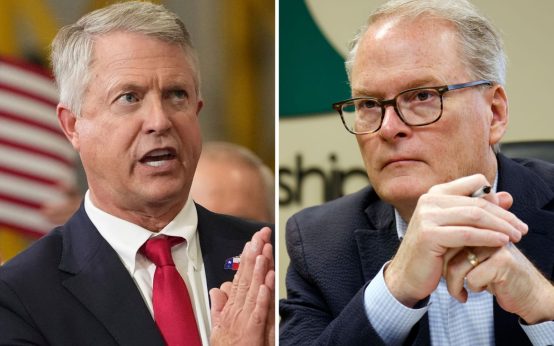 Kansas Senate Race: Competitive Dynamics and Key Figures
 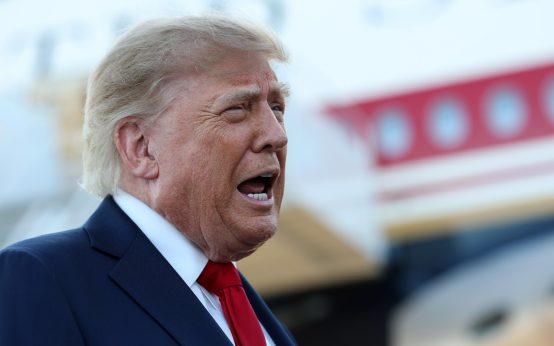 Republicans Face Challenges Leading Up to Midterm Elections
 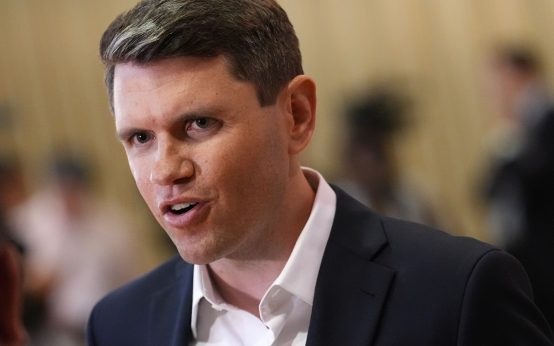 Ken Paxton Accuses James Talarico of Corrupt Practices in Texas Senate Race
 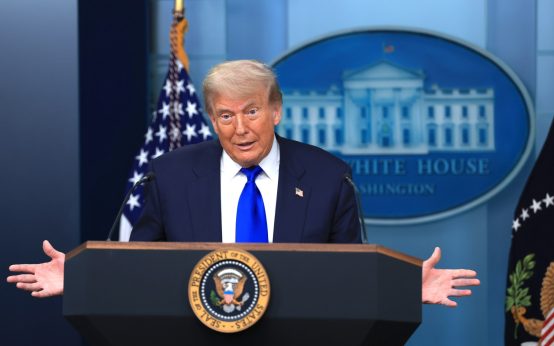 Trump Criticizes Supreme Court Decisions on Tariffs and Citizenship
  Russians Head to the Polls Amidst Ongoing Conflict
  U.S. Strategic Goals in Middle East Under Scrutiny