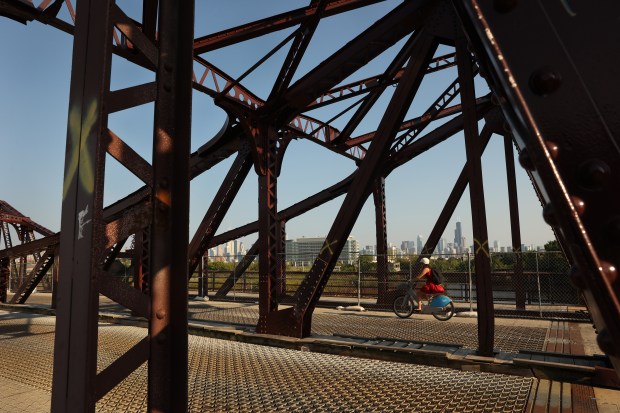
The Cortland Street Bridge Closure
For a year now, the Cortland Street Bridge has remained closed to vehicles, creating a significant disruption for North Side commuters. The closure of the 124-year-old bridge has increased commute times and traffic congestion, which residents describe as a major inconvenience. The bridge, known for being the oldest model of a trunnion bascule design, is a protected city landmark cherished for its historical value.
Rehabilitation and Landmark Status Controversy
The Chicago Department of Transportation (CDOT) initially closed the bridge for an 18 to 24-month rehabilitation. However, an assessment revealed the bridge’s poor condition, extending the closure indefinitely. Two aldermen proposed revoking its landmark status to expedite construction.
Although CDOT warned this action would not remove the requirement for state and federal historical reviews, aldermen Brian Hopkins and Scott Waguespack contend it’s necessary for a quicker solution. They have faced constituent complaints, compounded by closures of two other bridges in the city, prompting an ordinance for CDOT to notify the City Council of lengthy bridge closures.
Preservationist Perspective
Preservation advocates emphasize the bridge’s importance to Chicago’s identity. Frank Butterfield, of Landmarks Illinois, highlights the significance of the bascule bridge design. Ward Miller from Preservation Chicago warns against setting a precedent that could threaten other historical structures in the city.
The landmark status requires proposed work on historical structures to adhere to city reviews, but exceptions exist for dangerous structures. Erica Schroeder of CDOT stated that despite landmark status revocation, state and federal reviews are necessary due to historical eligibility.
Public Frustration and Progress
Aldermen and residents questioned the progress after a year of closure. CDOT had focused on non-visible repairs like seawall stabilization. Residents like Sean Smith expressed frustration over the lack of visible construction efforts, affecting daily commuting choices.
CDOT explained that simultaneous bridge closures, while impactful, are inevitable due to the complexity of maintaining Chicago’s extensive bridge system. The department continues work as efficiently as possible, with repairs ongoing at other closed locations like Lake Street and Chicago Avenue.
Future Solutions for the Bridge
Suggestions include opening the bridge solely to pedestrians and cyclists or constructing a separate bridge for vehicles. CDOT rejected the idea, citing the lengthy process involved. Still, residents hope for a solution balancing traffic needs with preservation.
Emily Marzonie, a Lincoln Park resident, supports preserving the bridge’s historical value while addressing traffic concerns. She believes it is essential to maintain elements that contribute to Chicago’s unique character.
 Influencer Brothers Logan and Jake Paul Visit the Pentagon
  Florida Reports First Dengue Fever Death as Outbreak Expands
  American Public Opinion on Press Freedom
  St. Laurence High School’s Transformative Journey
  Significant Events in Chicago History on September 21
  Presley Gerber Passes Away at 27 in Rehab Facility