
College Football 27, the latest edition in EA Sports’ popular video game series, launched last week with both excitement and criticism. Fans of college football and video games expressed concerns about the introduction of microtransactions—paying real money for game features.
Microtransactions are common in modern video games. However, including them in the College Football series seemed unlikely until now. YouTuber Bordeaux emerged as a vocal critic of this practice in College Football 27. His grassroots campaign aimed to urge EA to remove these microtransactions, even adopting the slogan #CFBPlayDontPay.
Bordeaux was not the only content creator critical of EA Sports, but he was among the most prominent voices early in the debate. Some wondered if this stand might harm his career, yet Bordeaux insisted it was not a factor in his decision. Speaking about his previous collaboration with EA, he stated, “No matter what, I have never needed a partnership to do something.” He affirmed his belief that the game itself was good, but strongly opposed the paid features.
Bordeaux’s efforts seemed to reach EA, resulting in an announcement that they would remove microtransactions from this year’s game. Although considered a victory by the online community, EA hinted at future plans for CFB28, raising questions about the permanence of this victory.
Despite this uncertainty, Bordeaux achieved his initial goal. He shared his perspective on the matter, saying, “I wanted to speak my mind and raise awareness because I felt like we were blindsided.” He hoped EA would listen to the community’s feedback.
As EA plans to roll back microtransactions, Bordeaux considered a potential return to collaboration, provided EA made lasting changes. “Take out microtransactions completely,” he stated, emphasizing the importance of preserving key game features without monetization, especially offline modes like “Dynasty” and “Road to Glory.”
For now, Bordeaux can celebrate this temporary win for gamers. His campaign against a widely criticized practice illustrates consumer power. His stance serves as an example of standing firm against unpopular industry trends.
 Data Centers Stir Controversy in Texas Amid Growth Boom
  The Technology Rivalry: Trump’s Meeting with Xi and the AI Ecosystem Clash
  Ways to Protect Your Finances from Cyber Threats
  Interview with Nvidia CEO Jensen Huang: AI Outlook and Business Strategy
 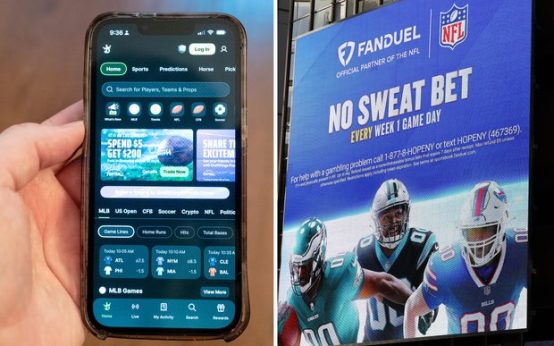 Concerns Rise Over Addictive Design of Sports Betting Apps
  Seton Hall National Security Graduate Fellowship Provides Hands-On Experience