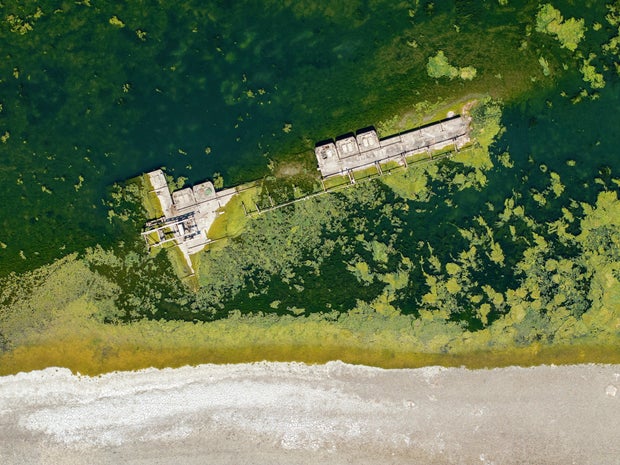
Water levels in the Danube River, Europe’s second longest, have dramatically decreased due to drought. This phenomenon has exposed a number of World War II German battleship remains and even the bones of an ancient woolly mammoth. These revelations come during a period of intense summer heat affecting the region.
Impact on Power Plants and Historical Findings
The Danube’s exceptionally low water levels threaten the operation of power plants, prompting Central and Eastern European governments to adopt energy conservation measures. Near Prahovo, Serbia, a rusty, exposed hull from a sunken German battleship has emerged, highlighting history. These ships, many still carrying weapons, were part of Nazi Germany’s Black Sea fleet. As Soviet forces closed in, Germans deliberately scuttled these ships during their retreat from Romania near the end of the war.
Drone footage from Prahovo shows at least 20 ships visible along the riverbank. Residents like Ivica Gavrilovic note increased interest in these relics but acknowledge access challenges. Up to 200 German warships are believed to have been sunk in September 1944 around Prahovo. Communist Yugoslav authorities previously removed some of these vessels, yet many remained due to the explosives onboard.
Low River Levels and Global Warming
The drying river has impeded ship traffic drastically. Krsta Brandic, a local resident, remarks, “As you can see, the big ships can’t pass anymore.” Global warming is cited as a major factor contributing to these conditions. Similar discoveries occurred in 2024 and 2022, with submerged Nazi vessels appearing during previous droughts.
Revelation of Mammoth Bones
Beyond wartime remnants, the Danube’s low waters unveiled a mammoth skeleton in Bulgaria. Near Ruse, specialists identified a jawbone, tusk fragments, a shoulder blade, and a femur belonging to a woolly mammoth from the Ice Age. The dark bone color suggests the animal’s time in marshland. This well-preserved discovery stands out for its completeness, indicating a single animal. Woolly mammoths coexisted with early humans and were pivotal to their survival. These creatures vanished approximately 4,000 years ago, yet remnants like these continue to offer insight into the distant past.
 Ukraine Missile and Drone Barrage Hits Russia Amidst Elections
  U.S. Strategic Goals Remain Unmet Amid Prolonged Conflict
  New Photos Reveal Damage from Iranian Strikes in the Middle East
  EPA Dismantles Greenhouse Gas Rules, Causing Concern
  Assassin of Chilean Diplomat Orlando Letelier Faces Deportation 50 Years After Assassination
  Gorillaz and Macklemore Respond to Controversy Over Israel-Palestine Statements