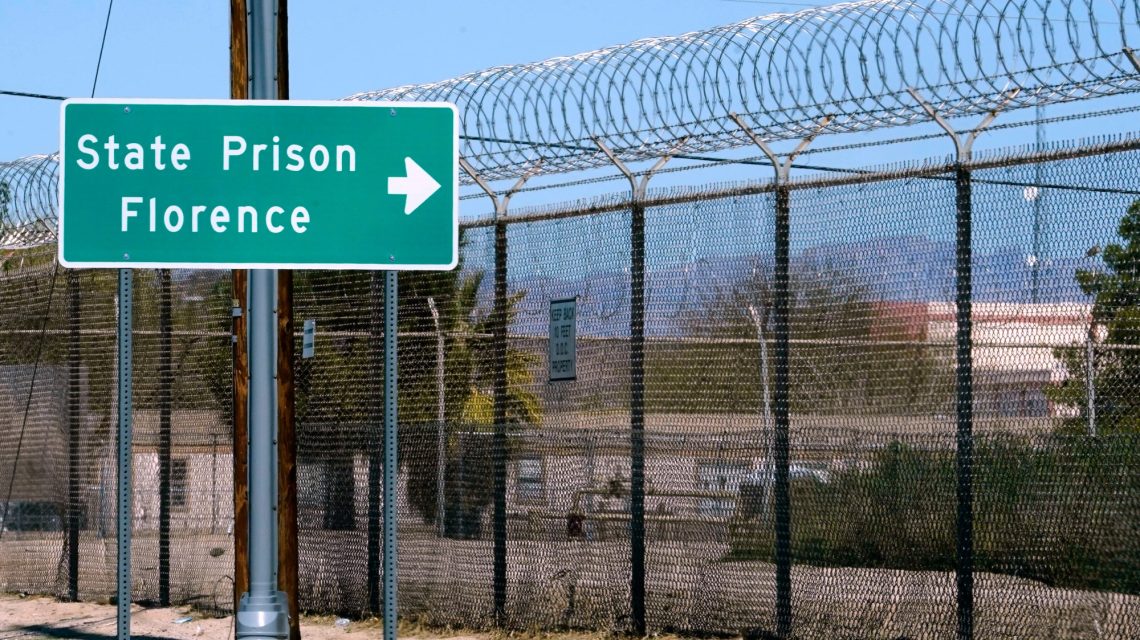
The Supreme Court recently rejected Arizona’s request to delay a mandated overhaul of healthcare services in the state’s prisons, highlighting a longstanding struggle. This legal battle began in 2012, targeting the subpar medical care in Arizona’s correctional facilities.
U.S. District Judge Roslyn Silver concluded that Arizona fails to deliver constitutionally adequate medical and mental health care to its nearly 25,000 prisoners. She pointed out severe understaffing, with prison officials making no notable effort to solve the issue. Although Arizona faces scrutiny, the problem is widespread across the U.S., affecting countless incarcerated individuals who endure the horrors of neglected health treatment.
Consider Joseph Assyd’s tragic story. He was in Arizona’s prison system until his death at age 64. Hypoglycemia led to his collapse, resulting in a delayed transfer for medical attention. Due to inadequate documentation and absence of timely healthcare, Assyd’s death was an outcome of negligence.
Another narrative involves Tallie Dillard, a 53-year-old inmate in Florida facing a 78-month sentence for conspiracy related to drug distribution. Despite poor health conditions, she reports neglect, unable to access specialists for her heart murmur, kidney issues, abdominal cyst, and liver lesion. Her grievances about insufficient medical care have not been addressed.
Judge Silver’s decision in February, putting Arizona’s prisons under receivership, marks an urgent call to action. Her ruling demands cessation of violations ending preventable suicides and deaths among prisoners, stressing a severe need for healthcare improvement.
This judicial action builds on the precedent set 50 years ago, where the Supreme Court identified inadequate prison healthcare as a breach of the Eighth Amendment. Justice Thurgood Marshall emphasized the dependency of inmates on authorities for medical needs, citing potential physical torture or lingering death in cases of neglect.
Similar judicial intervention was seen in California in 2011 when an insufficient prison health system prompted court involvement to address Eighth Amendment breaches. States must comply with constitutional obligations for adequate prisoner healthcare or face judicial oversight.
The narrative is clear: proper healthcare in prisons is a constitutional duty. Officials must either rectify shortcomings themselves or have the courts enforce it. The ongoing healthcare crisis calls for immediate attention, demanding a decisive end to prison healthcare inadequacies.
 Tragic Car Crash in Southern California Claims Teen Life
 Custody Dispute Involving Rep. Max Miller Delayed
 Historical Events in the Chicago Area on November 9
 University of Mississippi Investigates Racist Incident Caught on Ring Camera
 Hidden Camera Discovery in Tokyo Hotel Raises Privacy Concerns
 Death Row Advisor Urges Texas Governor-Elect to Halt Executions