
The judiciary holds a crucial responsibility in addressing policies that discriminate openly. Such measures not only harm communities but also undermine democratic values. Immediate legal intervention is necessary to uphold the principles of equality and justice.
Consideration by the courts is vital for dismantling discriminatory practices. These policies, if left unchecked, can deepen societal divides and erode trust in governance structures. History has shown that judicial oversight is essential in maintaining a fair and just society.
Advocacy for change remains paramount. By bringing legal challenges, individuals and organizations can ensure that discriminatory measures are scrutinized and overturned. This not only benefits those directly affected but also strengthens the broader societal commitment to equality.
“Equality before the law is fundamental in any just society. Discriminatory policies challenge this principle and must be addressed.”
Judicial action sets precedents that reinforce the importance of non-discrimination. As guardians of justice, courts have the authority and responsibility to uphold constitutional values. Intervention in these matters reflects a commitment to ensuring that all individuals are treated fairly under the law.
 A Vision for American Infrastructure
  Kennedy Center Appoints New Artistic Director Amid Operational Changes
  Exploring Integrity in American Amateur Golf and Other Discussions
  Podcasts to Enhance Your Commute
  The Looming Fiscal Challenges of the 2030s
 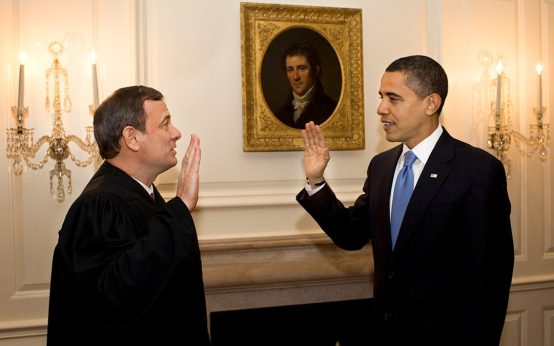 Jonathan Turley Criticizes Protests Targeting Supreme Court Justices