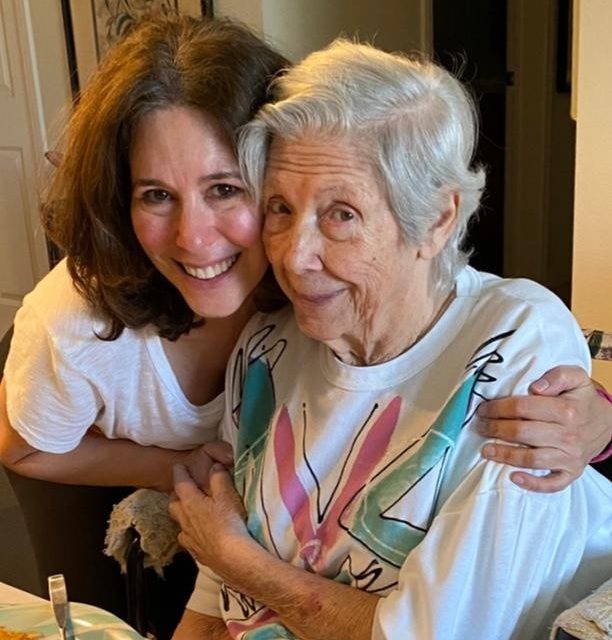
Hearing my mother express fear of living in a haunted house was unsettling. She couldn’t recall turning on the television and was startled by familiar artwork. She sometimes distrusted her nurse, fearing harm. The woman who once reassured me now needed reassurance herself. Managing her stroke and lung cancer seemed overwhelming, but Alzheimer’s pushed us to the brink.
“Will Grandma remember me?” my daughter, now 26, asked about my 87-year-old mother. Every two weeks, my sister and I took turns visiting to help with daily tasks. Each visit revealed her slipping further away.
The visits grew challenging. She resisted handling bills herself but didn’t want me to do them without her. I’d do as much as possible before leaving, both drained and me near tears. Despite occasional tensions, I always knew she loved me.
Two Mother’s Days ago, she was as sharp and candid as ever, often making amusing, bold remarks. We believed Alzheimer’s wouldn’t touch her, yet it did. During COVID’s isolation, it progressed rapidly. Restrictions limited visits, sparing my adult children from witnessing her decline. She found video calls baffling.
Finding effective ways to cope was crucial. The “sundowning” phase in late afternoon worsened her confusion and anxiety. Attempts to reason with her increased her distress. Once, she accused me of excluding her from Thanksgiving, although it was April. Explaining made her furious, leaving me pleading for forgiveness over an imagined slight. I learned to call before noon to avoid such distress.
Searching online, I found the Alzheimer’s Association’s metaphor of the disease wiping away life’s blackboard. I learned to approach my mother gently, using short sentences and familiar routines. Old photographs offered comfort. Music, especially Barbara Streisand and the Bee Gees, brought clarity.
Even as her words faded, my company mattered. My tone reached her when my words couldn’t. On my birthday, her caregiver placed “Happy Birthday” signs before her bed. Each visit involved reintroduction, where she focused on recognizing me.
A YouTube video showed a daughter whose mother didn’t remember her but felt love—a sentiment I embraced. Love became the key focus.
Since my mom’s passing, I often dream of her. In these dreams, she’s young, vibrant, and loving. Alzheimer’s faded her memory, but not her love, in my dreams.
Linda Wolff is a Los Angeles-based essayist and humor writer. Her work has appeared in various publications including The Boston Globe, The Washington Post, Los Angeles Times, Good Housekeeping, and Cosmopolitan. For more, follow her on Instagram @carpoolgoddess.
All views expressed in this article are the author’s own. If you have a personal essay to share with Newsweek, send it to [email protected].
 Patrick Clancy Shares Insights into Tragic Family Loss
  Midair Altercation on Bangladesh to London Flight
  Revival of Organized Labor in 2026
  Community Relief Efforts at New Orleans Free Store
 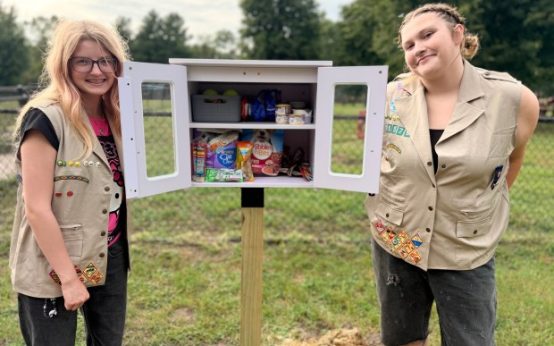 Girl Scout Troop 35579 Project: Pet Pantry for Woodland Park
 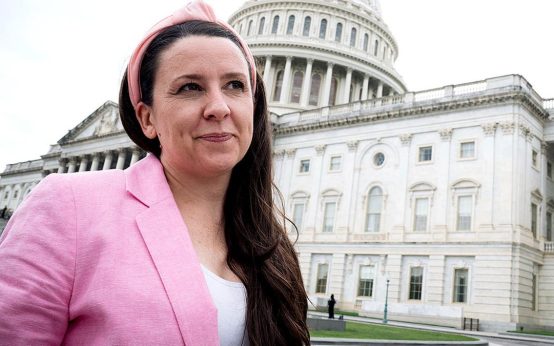 Children’s YouTube Star Ms. Rachel Draws Scrutiny Over Links to Palestinian Photojournalist