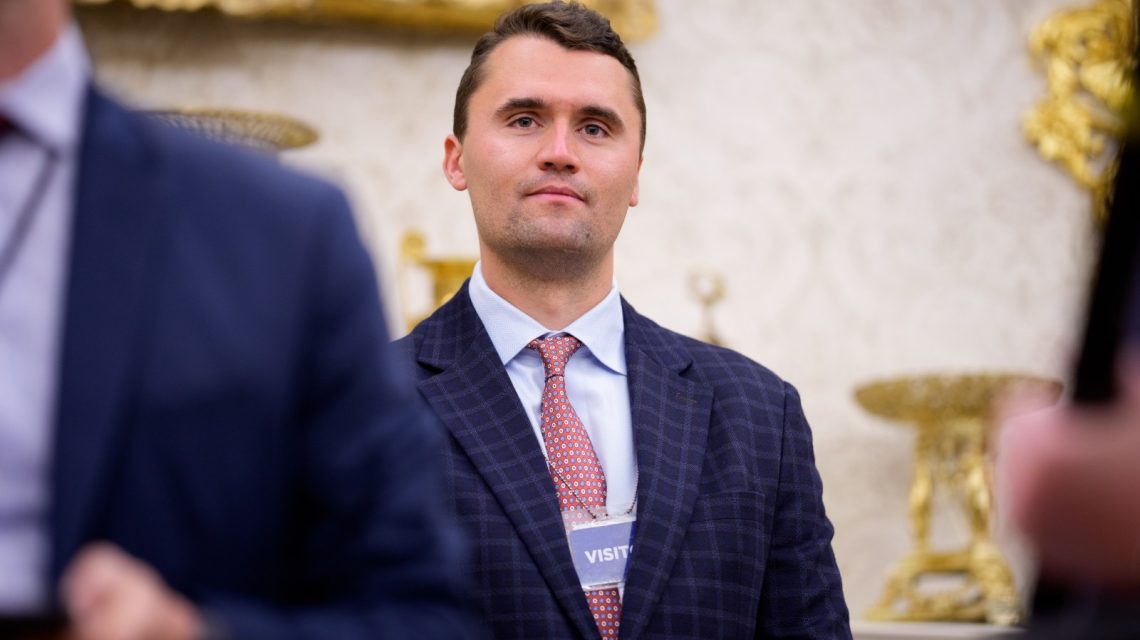
Charlie Kirk’s death may have ended one of the most polarizing careers in American politics, but it did not end the debates surrounding him. On the first anniversary of the conservative activist’s killing, thousands paid tribute while others celebrated online. These posts triggered backlash across campuses, workplaces, and social media.
Professors, students, and visa holders now find themselves in a growing controversy that goes beyond Kirk himself. The anniversary has spurred discussions about political expression and its consequences.
At the Republican National Committee’s convention in Dallas on September 10, speakers honored Kirk and reflected on his impact on the conservative movement. Shortly after, a statue of the Turning Point USA founder was vandalized, highlighting his divisiveness.
At Carnegie Mellon, Professor Uju Anya faces scrutiny for hostile social media posts about Kirk, which resurfaced online. Her comments attracted criticism, including from prominent figures like Elon Musk.
Carnegie Mellon issued a statement on Anya, noting she is on voluntary professional leave. They are reviewing what they described as hostile and threatening posts.
Students have also faced consequences over anti-Kirk posts. At the University of Utah, Sara Larsen apologized for a viral image of a cake marking Kirk’s death anniversary. Social media accused her of celebrating Kirk’s assassination.
The backlash grew to a campus dispute, with the College Democrats at the University of Utah condemning the doxxing of Larsen.
Similarly, in Washington state, the Port Angeles School District addressed a controversial T-shirt worn by a student. They stressed clothing promoting violence is not allowed.
Beyond campuses, job losses and immigration queries have arisen. Sabrina Messa, a Canadian living in Los Angeles, lost her job and was asked to leave the US after mocking Kirk. She was fired “with cause” and required to exit the country.
Deputy Secretary of State Christopher Landau emphasized that a US visa is a privilege. The State Department revoked many visas last year, affirming they will continue to protect national security.
Messa apologized online, acknowledging her posts were insensitive and accepting responsibility.
The debate over the consequences continues fiercely. Supporters of repercussions argue that celebrating a political figure’s killing should lead to consequences. Critics contend some reactions are damaging careers and personal lives.
One year on, the debate remains unresolved, with social media posts continuing to affect reputations and public controversies.
 The Cost of Challenging Beijing
  Analyzing Midterm Elections and Party Dynamics
 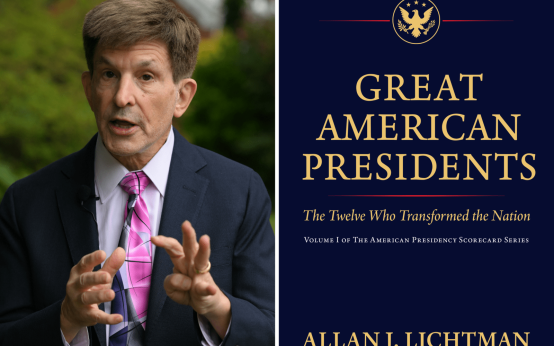 Allan Lichtman’s Framework for Assessing Presidential Greatness
  Florida Senate Race Tightens as Recent Polls Show Dead Heat
  Ethics Complaint Targets Colorado Representative Lauren Boebert
  Ken Paxton’s Campaign Funding and Polls