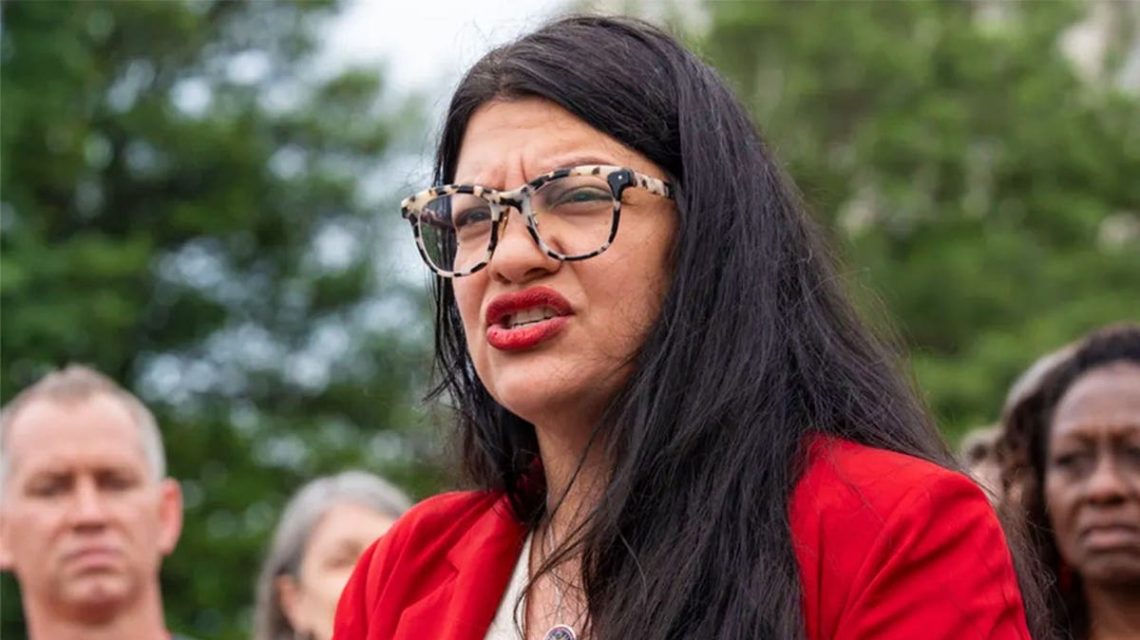
The phrase “words taken down” might be unfamiliar outside Capitol Hill, but on the House floor, it signals significant conflict. Recently, a heated debate occurred during the discussion of a war powers resolution concerning Lebanon. Representative Rashida Tlaib from Michigan, known for her Palestinian heritage and opposition to certain Israeli actions, proposed measures to limit President Donald Trump’s actions in Iran. Her stance is controversial, and she often criticizes Israeli policies.
Tlaib, one of two Muslim women in Congress, vocally opposed U.S. involvement in what she termed the “Israeli apartheid regime’s invasion of Lebanon,” accusing the Israeli military of targeting journalists and committing war crimes, all financed by American taxpayers. This led to a tense exchange with Representative Max Miller from Ohio, a Jewish member, who accused Tlaib of associating with Hezbollah and supporting terrorist regimes. Tlaib reacted strongly, leading to chaos on the floor.
The session, overseen by Republican Representative Jay Obernolte from California, sought to restore order. He asked Tlaib if she was making an official motion, to which she responded by requesting to “strike the words down.” This move paused all proceedings as the House investigated whether Miller’s words violated its rules against personal attacks and impugning motives.
“Colleagues, this is a serious topic. We will debate it respectfully and deliberately,” Obernolte stated.
During this pause, no legislative activity occurred until the matter was resolved. If a member’s words are challenged as violating decorum, they can be expunged, and the offending member might face suspension from speaking that day. Despite mediation efforts, Miller refused to retract his statements.
Eventually, Obernolte ruled Miller’s words inappropriate, striking them from the record and barring him from further speaking. Representative Brian Mast from Florida spoke on behalf of Miller, reiterating Miller stood by his comments. Tlaib objected to attempts to enter accusatory articles into the record, maintaining her stance against the implications of Miller’s remarks.
This isn’t a novel occurrence for the House. Such parliamentary disputes have historical precedents. A notable example includes a 1994 altercation between Representatives Maxine Waters and Pete King, managed by then-Speaker Tom Foley.
The incident highlights ongoing debates about the role of artificial intelligence in managing such conflicts. Obernolte expressed confidence in AI’s capability to enforce rules impartially, though the political and ethical implications of such a shift remain under discussion.
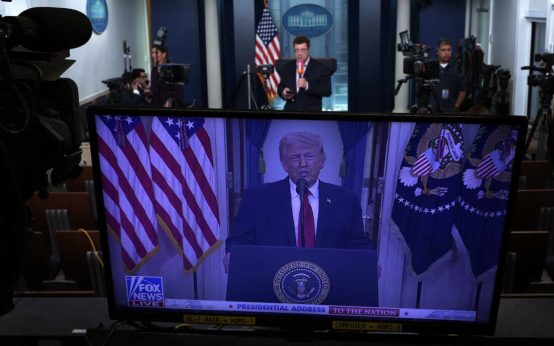 Trump Launches ‘Trump TV’ Amidst Controversy Over Media Ban
  MAHA Activists Challenge Trump and RFK Jr. on mRNA Vaccines
  Rep. Byron Donalds Distances Himself from President Trump in Governor Race
  Senator Criticizes Planned White House Welcome for Xi Jinping
 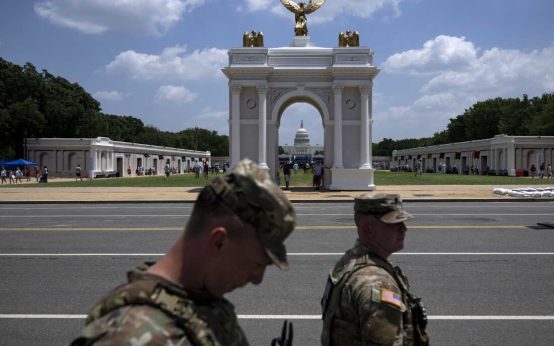 Controversy Surrounds Trump’s Proposed D.C. Arch as Military Complex
 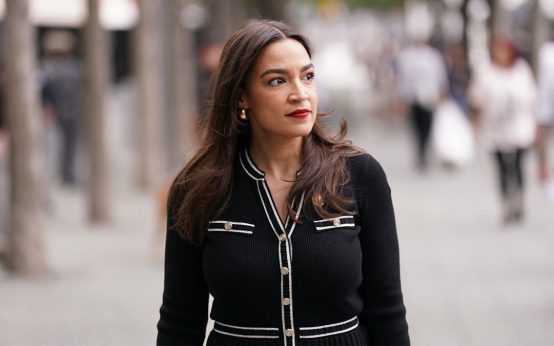 AOC Contemplates 2028 Presidential Run Amid Polling and Identity Discussions