
The upcoming midterm elections indicate a strong possibility of Democrats regaining the majority in the House of Representatives, and potentially in the Senate. This shift in political power may prompt Democrats to reconsider impeaching President Trump to address his alleged abuses of power. The argument for impeachment extends beyond holding Trump accountable; it also involves curbing presidential powers to prevent future leaders from following his example.
Trump has been accused of significantly ignoring the rule of law. His administration has allegedly disregarded court orders, closed departments without congressional approval, used aggressive and illegal immigration enforcement methods, withheld legislated funds, imposed tariffs unlawfully, and engaged in military actions without congressional consent. No previous president, according to critics, has warranted impeachment and removal more than Trump.
Though impeachment appears unlikely to remove Trump from office due to the slim chances of achieving a two-thirds Senate majority, the role of Congress is pivotal. Sending a strong message that presidential misconduct will not go unaddressed is crucial. However, Congress bears responsibility to further limit executive powers to avoid repetitions seen in the Trump presidency.
Congress could consider several measures. One is a constitutional amendment to restrict the pardon power, which Trump has allegedly abused. He has issued pardons generously, particularly to those involved in the January 6 riots and individuals who are politically connected or financially supportive. Restrictions on self-pardons and pardons for relatives or individuals accused of certain crimes need to be enacted.
Another aspect is limiting presidential war-making authority. The War Powers Act of 1974 was initiated to ensure congressional approval and oversight of military engagements, yet Trump reportedly ignored these stipulations. Congress could reinforce this Act by enforcing automatic funding cutoffs for war activities lacking congressional approval.
The issue of presidential tariff power arises from Congress’s delegation of powers under special conditions. Trump allegedly violated these conditions. Increasing congressional oversight in tariff impositions and setting stringent criteria for emergencies allowing the president to bypass Congress are necessary steps.
Congress has various avenues to restore checks and balances between its legislative authority and presidential power. With concerns over the potential expansion of presidential powers, now is an opportune time to fortify constitutional checks to ensure democratic governance prevails.
Richard Davis, a professor emeritus of political science at BYU, has authored several books on American politics.
Copyright © 2026 Nexstar Media Inc. All rights reserved. This material may not be published, broadcast, rewritten, or redistributed.
 Court Ruling Against Trump Administration’s Deportation Policy
  FAA Approves Trump’s Proposed Arch in Arlington
  Defense Secretary Backs Trump’s Ban on Media Outlets
  Political Tactics Threaten Free Press and Market
 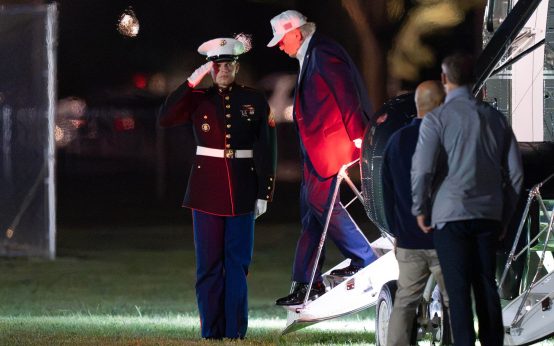 Trump’s Early Return from Camp David Amid Middle East Escalation
  Piddington Villagers Contemplate Joining the US Over Asylum Plans