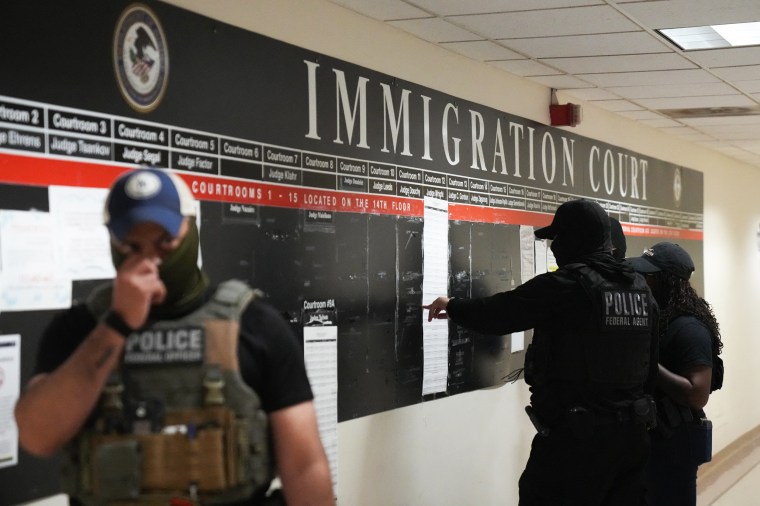
Immigrant rights groups have long criticized the conditions in detention facilities, describing them as cold, overcrowded, and sometimes unsanitary. Many immigrants are often unaware of their release dates. Currently, ICE holds approximately 60,000 people, a significant increase from about 34,000 earlier in the Biden administration. The average stay in detention has also risen, now lasting 50 days compared to the previous 36.
Uncertain Release and Lingering Hope
Simon Sandoval-Moshenberg, an immigration lawyer based in Maryland, shared that one of his clients was in detention for 11 months, a period that once would have been surprising. “The issue extends beyond the poor conditions in the centers, it’s the uncertainty of whether detainees will ever leave,” he said. He suggested that if detainees were given a clear end date for their detention, incidents of self-harm might decrease, even if outcomes remained uncertain.
Sandoval-Moshenberg expressed concern about the prolonged immigration proceedings, noting a loss of hope among detainees. Though most detainees are men, ICE data reveals that over 20,000 individuals in custody have no criminal history aside from immigration violations, such as overstaying a visa or entering the country without permission. During Trump’s second term, suicides among detainees, all male and aged 19 to 45, climbed to nine. Three had histories of violent crimes, four had nonviolent criminal histories, and two had no criminal records. Reports suggest these deaths were primarily by hanging.
Facility Oversight and Suicide Prevention
The latest suicide occurred this month at the Stewart Detention Center in Georgia. An ICE inspection in March 2025 revealed that the center had not completed mandatory suicide prevention training for staff. Additionally, the required monitoring of suicidal detainees every 15 minutes was inconsistently applied, with some intervals extending to 125 minutes. Stewart was not alone; inspectors flagged suicide prevention shortcomings in 19 instances since the start of Trump’s second term.
In response to the recent suicide, ICE maintained its commitment to safe detention environments and medical care. An ICE spokesperson stated, “Suicides in DHS custody are rare. Protocols ensure detainees’ well-being, including annual training and 15-minute checks for those on suicide watch.” They emphasized that only clinicians, and not detention staff, have the authority to remove someone from suicide watch. DHS did not comment on specific incidents or the increase in suicides.
Many facilities are privately operated under ICE contracts. CoreCivic, responsible for Stewart Detention Center, did not respond immediately. Another operator, GEO Group, referred all queries to ICE.
Inspection Frequency and Accountability
While ICE detainee numbers have doubled, inspections have decreased. DHS conducts ICE inspections through multiple offices, some of which have weakened operations. Congress members also conduct sporadic, unannounced visits to detention sites to review conditions. However, when Rep. Mike Levin from California visited ICE’s Otay Mesa Detention Center unexpectedly, he faced new obstacles preventing him from talking to detainees without approval and advance notice.
The DHS Office of Inspector General usually carries out four to six surprise inspections annually, claiming to have made numerous recommendations for improvements. A $20 million boost in federal funding aims to significantly increase inspection frequency.
Mental Health Challenges
911 calls reviewed by NBC News reveal significant mental health issues among detainees. Examples include 39 emergencies involving “acute psychosis” and extreme mental distress. In one Michigan facility, a man who refused psychiatric medication and food for days was found collapsed. At the same location, Gabriel Leiva was isolated after behaving disruptively. Shackled and requesting death from staff, he attempted suicide in solitary confinement before guards intervened.
ICE reported that Leiva’s name no longer appears in the North Lake Michigan ICE detention records. Some detainees died soon after being in custody. Victor Manuel Diaz, detained for immigration violations in Minneapolis, committed suicide eight days into his stay at Camp East Montana in Texas. Another death there originally labeled a suicide is now under FBI investigation as a homicide.
Diaz’s autopsy was unusual, conducted by a military coroner rather than a local one. Diaz’s family, suspicious of the findings, plans a second autopsy, doubting the suicide conclusion. Attorney Randall Kallinen represents the family, who remembered Diaz as seemingly well during his last phone call.
If you or someone you know is struggling, contact the 988 Suicide & Crisis Lifeline at 988 or visit 988lifeline.org. Additional resources can be found at SpeakingOfSuicide.com/resources.
 Congressional Hearing Addresses Fatal Shootings Involving Federal Agents
  Texas Man Arrested in Shooting of 5-Year-Old Girl
  Star Meat Delivery Inc. Recalls Over 167,000 Pounds of Meat
  Debating Government Involvement in Family Homes
  Tinley Park Updates Downtown Parking Rules
  Pastor Faces Deportation Amid Immigration Battle