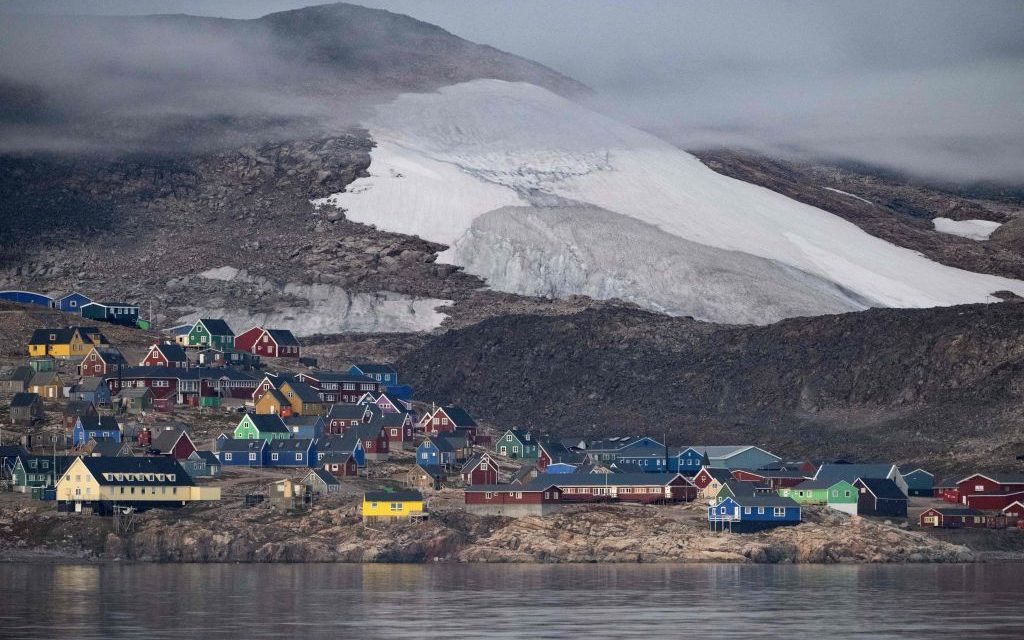
President Donald Trump’s plans to increase the U.S. military presence in Greenland may impact traditional hunting in the area, warns Hans Brønlund. As the chairman of Ittoqqortoormiit, a remote community in eastern Greenland, Brønlund stresses that American military activities could disturb local wildlife crucial to hunters.
Denmark is preparing to discuss a security agreement allowing the U.S. to establish more defense sites at Mestersvig and Narsarsuaq. Brønlund has urged Danish Prime Minister Mette Frederiksen and Greenland’s Prime Minister Jens-Frederik Nielsen to consult with local communities before making such decisions.
Hunting Tradition in Greenland
In Ittoqqortoormiit, hunting provides essential food and income. Residents already face challenges from declining hunter numbers and climate change. The American expansion threatens to disrupt access to vital hunting grounds and wildlife like narwhals and polar bears.
Mestersvig, located about 150 miles from Ittoqqortoormiit, may become another American defense site. Brønlund fears increased military activity could hinder local hunters’ livelihoods.
“We do not want Americans here near Ittoqqortoormiit. We do not want to be a shield for their country,” Brønlund told KNR, Greenland’s public broadcaster.
Resource Concerns
Brønlund also expressed worries over potential American interest in Greenland’s minerals and oil.
Brønlund criticized decision-making without involving affected communities. He conveyed his concerns in an open letter to Frederiksen, Nielsen, and Mayor Avaaraq S. Olsen.
The signed security agreement allows for greater U.S. military access but requires respect for Greenlandic traditions, including hunting. Details about new defense areas remain under negotiation.
Greenland’s Parliamentary Response
Greenland’s parliament, known as the Inatsisartut, approved the agreement with conditions regarding environmental safeguards and public input. Governed by the Inuit Ataqatigiit party, Mimi Karlsen emphasized considering impacts on hunting and natural resources.
Opposition figure Pele Broberg questioned whether the provisions offer adequate protection against environmental harm. He argued that they do not ensure the U.S. would cover cleanup costs.
Siumut politician Erik Jensen criticized the lack of public involvement and called for more consultation and oversight.
Atassut leader Aqqalu C. Jerimiassen backed the agreement but advised continued monitoring of U.S.-Greenland relations.
The governing parties—Demokraatit, Inuit Ataqatigiit, and Atassut—along with independent lawmaker Kim Kielsen, supported the agreement. Opposition party Naleraq abstained, while Siumut declined to vote due to members’ absence.
Denmark’s Upcoming Debate
Denmark’s parliament will soon debate the security agreement, with a briefing scheduled for lawmakers by Foreign Minister Lars Løkke Rasmussen. The negotiation focuses on operational details for Mestersvig, as environmental impacts remain unclear.
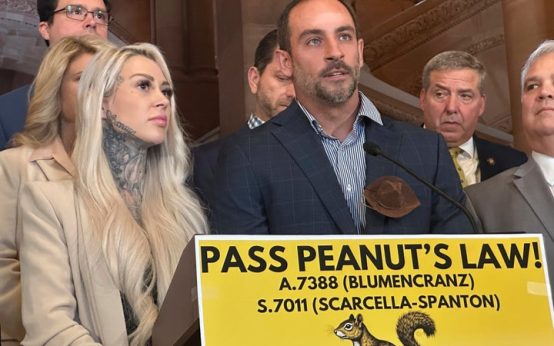 Pet Squirrel Saga Leads to Immigration Detention
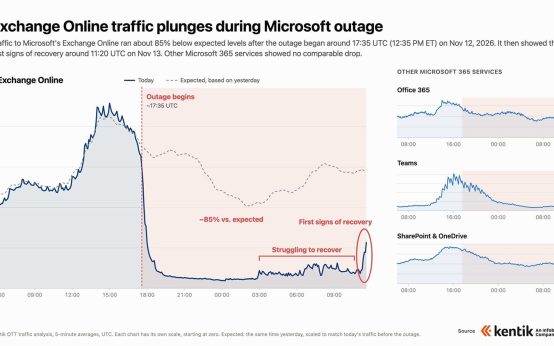 Microsoft Outage Disrupts Global Systems and Services
 The Huang Affair: Espionage, Export Controls, and AI Tensions
 North Korean Hackers Steal Millions in Cryptocurrency
 Spy Scandal, Hegseth’s Future, and the Iran Conflict
 Search for Missing Marella Voyager Passenger Suspended by US Coast Guard