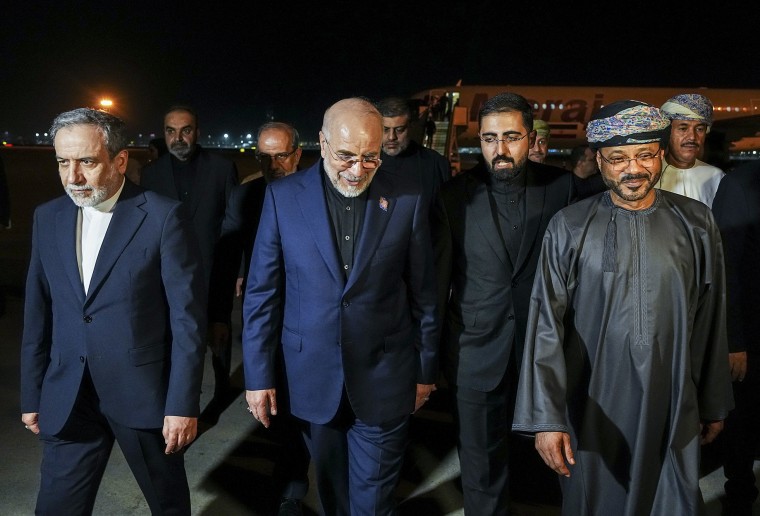
U.S. officials expressed concern about potential threats to Iranian negotiators during recent ceasefire discussions between the United States and Iran. According to sources familiar with the situation, there was a fear that Israel might attempt to assassinate key Iranian figures involved in these negotiations.
The talks, occurring in April and May, aimed at resolving the U.S.-Israeli conflict with Iran. The Trump administration was apprehensive about Israel possibly targeting Iranian Foreign Minister Abbas Araghchi and the Iranian parliament speaker, Mohammad Bagher Ghalibaf. These individuals have played crucial roles in dialogue with U.S. representatives, including Steve Witkoff and Jared Kushner.
On June 22, Abbas Araghchi, Mohammad Bagher Ghalibaf, and Omani Foreign Minister Badr bin Hamad Al Busaidi arrived in Oman, marking their involvement in significant negotiation efforts.
For the sake of safety, the U.S. warned Iran through intermediaries about the potential threat.
The New York Times initially reported on these concerns, prompting Israeli Prime Minister Benjamin Netanyahu’s office to dismiss the report as erroneous, describing it as “fake news” in a social media post.
Israel has historically targeted senior Iranian military and government officials. During the early stages of the conflict, U.S. airstrikes focused on Iranian military sites, while Israeli forces targeted high-ranking individuals within the regime.
Trump had noted that some officials, seen as more pragmatic by Washington, were eliminated in airstrikes. “Most of the people we had in mind are dead,” he said, referencing potential negotiators.
Disagreements have occurred between Trump’s administration and Netanyahu’s government regarding war objectives and negotiation strategies with Iran. Trump’s critique centered on Israel’s continued military actions in Lebanon against the Iran-backed Hezbollah. These actions have threatened to derail peace negotiations, leading Trump and senior officials to publicly oppose the strikes.
Negotiation efforts continue to encounter obstacles. U.S. intelligence recently assessed that Israel is likely to persist in attacks on Hezbollah, posing further risks to achieving a peace deal.
Vice President JD Vance has vocally criticized Israeli hardliners, addressing Netanyahu’s Cabinet in an interview. He emphasized that military actions alone cannot resolve complex national security challenges.
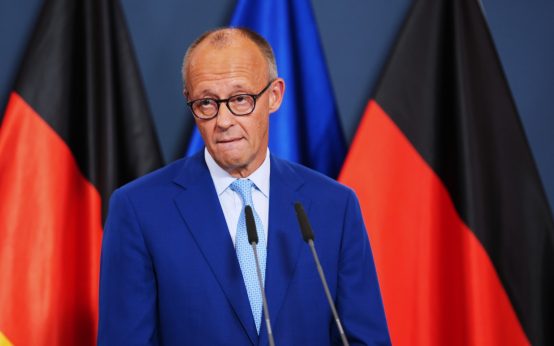 Merz Stays Resolute Amid Electoral Shifts in Germany
 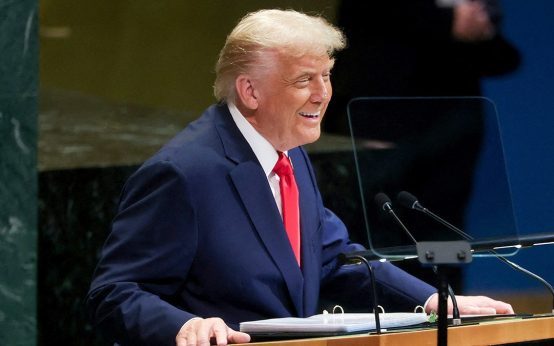 U.S.-Iran Relations and Diplomacy at Upcoming U.N. Assembly
 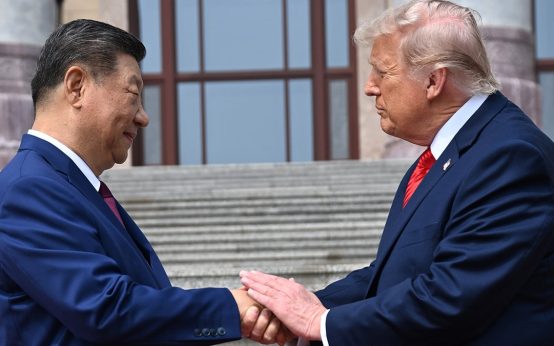 US-China Relations Under Scrutiny: Expert Warns of Escalating Tensions
 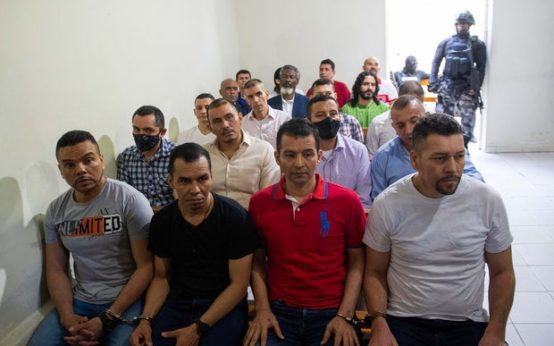 Extradition of Suspects in Haitian President’s Assassination
  No Timeline for End of Iran Conflict
 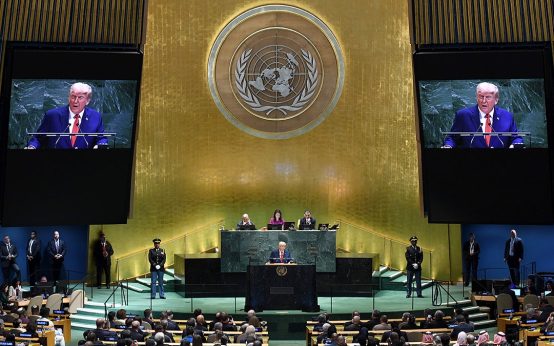 Trump’s UN Visit: Focus on Iran and Reforming the Global Institution