
The rapid progress of China in artificial intelligence has prompted warnings from Bridget Bean, a former executive director at the Cybersecurity and Infrastructure Security Agency (CISA). She highlights the narrowing gap between the U.S. and China in AI capabilities, expressing concerns over ‘dystopian’ AI models and potential cyber-biological weapon risks. Bean stresses the necessity for U.S. innovation and the protection of advanced chip technology to maintain global leadership in AI.
Legislation and Its Implications
U.S. Senator Bernie Sanders and Representative Greg Casar have introduced the Ban Artificial Superintelligence Act. This legislation could impose severe penalties on American AI developers, including a ‘corporate death penalty’ and prison sentences of up to 20 years. Critics warn that these measures may give Beijing and Moscow a crucial advantage in the global AI race.
The proposed act aims to temporarily halt the development of advanced AI and create a Cabinet-level agency to oversee compliance. Similar to laws governing nuclear weapons, this legislation targets systems that match or surpass human cognitive performance, forbidding AI models that can defy shutdown commands, execute unauthorized cyberattacks, or threaten U.S. government security.
Expert Opinions
Daniel Castro, president of the nonpartisan Information Technology and Innovation Foundation, argues that halting AI advancement in the U.S. could lead to economic and national security ramifications. AI expert Gary Marcus, who has provided testimony on the matter, adds that a complete ban is not the right approach despite some defensible elements in the bill.
Under the legislation, tech companies bypassing the prohibition might face loss of their legal authority to operate in the U.S., while individuals violating the law could face significant prison time.
“Knee-jerk policymaking is never a good thing, and I think that’s exactly what this proposal boils down to,” said Aden Hizkias, associate policy director at Chamber of Progress.
Advocates from the tech industry caution that harsh criminal sanctions overlook the reality of tech infrastructure and risk management.
As these discussions unfold, the bill establishes criteria for banned systems, including AI models that could potentially subvert humanity or governmental control.
Concerns and Responses
Industry advocates emphasize the need for transparent agreements and environmentally responsible practices among tech companies to build public trust. Despite these suggestions, a response from Sanders’ office regarding potential foreign advantages because of the legislation is pending.
This legislative move highlights the delicate balance between limiting risks of AI and ensuring the U.S. remains competitive amid the advancing global technological landscape.
 Trump’s Media Ban Affects Event Coverage
 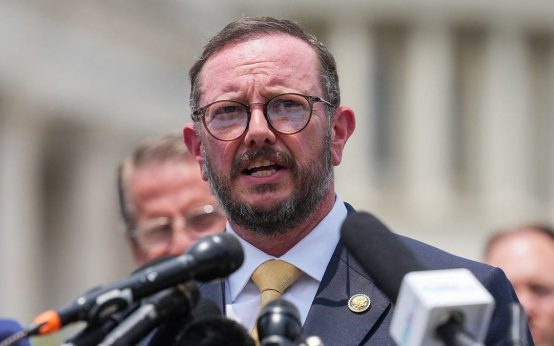 A Critical Perspective on National Spending and Healthcare from Representative Eric Burlison
 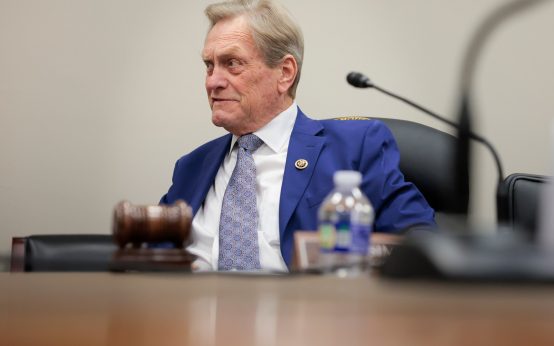 House Republican Criticizes Funding for Trump’s Arch Proposal
 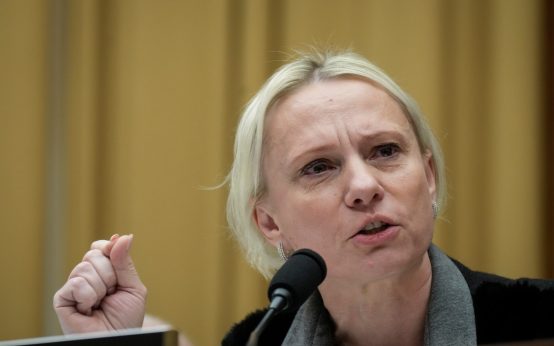 House Bill Proposes Dual Benefits for Combat-Injured Veterans
 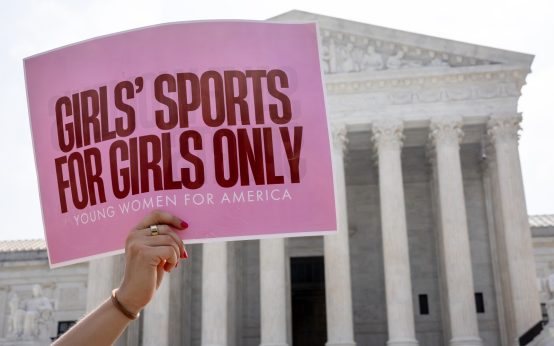 Democrats Navigate Transgender Athlete Debate Amid Midterm Elections
 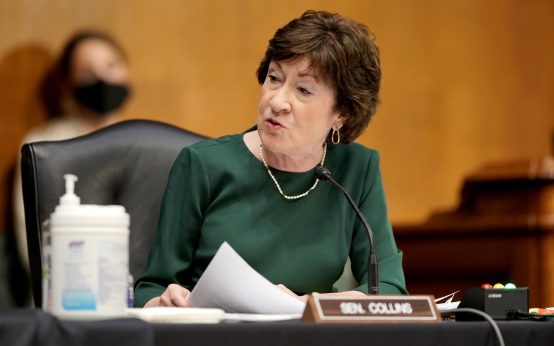 Senator Collins Warns Against Politicization of NIH Grant Funding