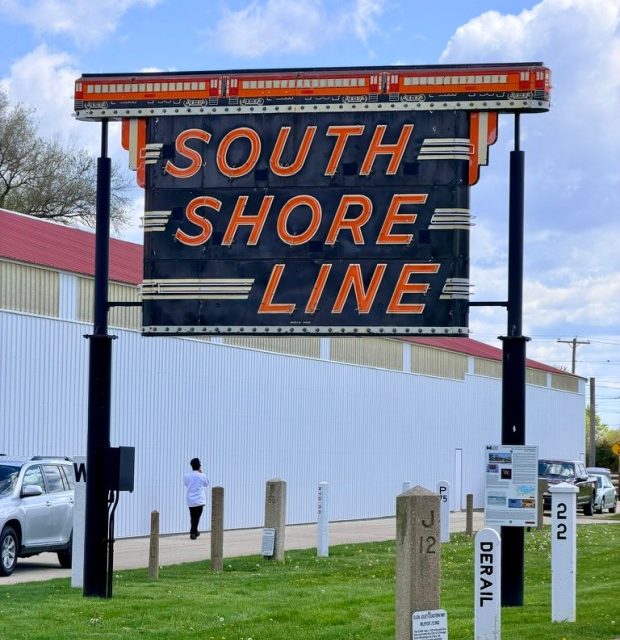
This weekend, Pullman Railroad Days marks the 100th anniversary of a pivotal decision boosting ridership for the South Shore Line. The railroad joins the celebration at Pullman National Historical Park in Chicago, commemorating the electrification of Illinois Central trains a century ago. The historic South Shore Line sign, once outside Gary’s downtown station, now resides at the Illinois Railway Museum in Union, Illinois.
South Shore Line riders now enjoy modern trains built by Nippon Sharyo, following the creation of the Northern Indiana Commuter Transportation District in 1977 which saved the line. Previously, orange cars traversed the tracks, resulting directly from the Illinois Central electrification.
Norman Carlson, president of Shore Line Interurban Historical Society and unofficial South Shore Line historian, shared insights ahead of the Pullman event. Before Illinois Central’s electrification, South Shore Line used 660 volts of AC power, later transitioning to 1,500 volts DC.
Carlson interviewed Samuel Insull Jr. in 1978, gaining perspective on Insull’s father’s impact on railroads and Northwest Indiana. Insull focused on creating demand for electricity, acquiring Chicago Rapid Transit Co. and integrating the North Shore Line, now part of the CTA Yellow Line.
Insull capitalized on South Shore Line, accessing a coal-fired power plant in Michigan City. By managing operations, Insull gained financially at each transport stage. He transformed the South Shore Line, facilitating direct rides to Chicago via Illinois Central tracks.
The journey to electrification included dealing with smoke pollution and Chicago’s ordinance demands. The Illinois Central met passenger service electrification deadlines, unlike slower freight services that shifted to diesel-electric locomotives instead.
Additionally, the Illinois Central altered Chicago’s landscape by filling land over decades, including areas that are now well-known landmarks.
July 21, 1926, marked Illinois Central cars’ first electrified service, followed by South Shore Line’s downtown reach on August 29, 1926. Nicole Barker, South Shore Line’s Chief Experience Officer, noted ridership increased as passengers could remain seated to downtown destinations.
The 1926 cars, known for their luxury, lasted until the mid-1980s. In 1927, the line added parlor and dining car services, which suffered during the Great Depression as fares and ridership fluctuated, unlike the COVID-19 pandemic’s deeper impact.
Robert Harris, owner of historical rail cars, shared his collection was inspired by a PBS film detailing the railroad’s regional development. Insull contributed land toward Indiana Dunes, and Harris pursued preservation of old orange cars for historical significance.
Today, modernized Nippon Sharyo cars, including a 1982 restored car, are showcased at Pullman National Historical Park during the event. Barker highlights the restoration’s importance in celebrating Chicago’s rail legacy.
The line faces looming decisions on its aging fleet after recent technological advances. Metra tests battery-powered locomotives, while plans exist for enhancements and expansions in the region. The strategic 20-year plan discussions are underway, with potential service extensions to regional cities like Valparaiso.
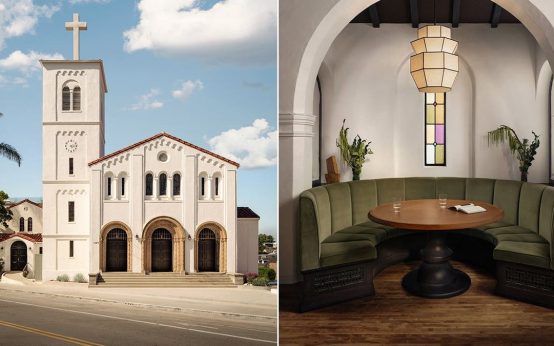 Historic Church Transformed Into Los Angeles Boutique Hotel
 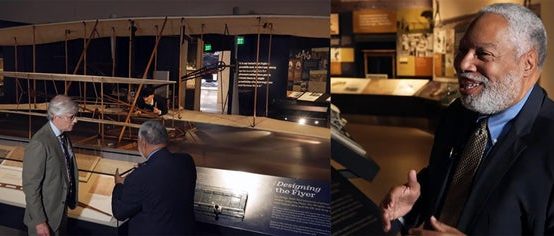 Lonnie G. Bunch III Reflects on His Legacy at the Smithsonian
 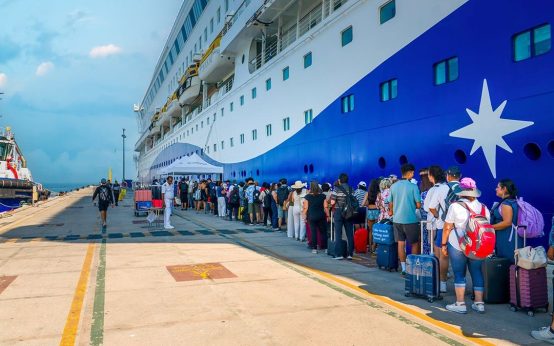 Luggage Etiquette on Cruise Ship Elevators Sparks Debate
  Ancient Ring Offers New Insight on Pontius Pilate’s Authority
  Discovery of WWII POW Documents in New York
  Heightened Travel Advisory: Stay Cautious in Italy