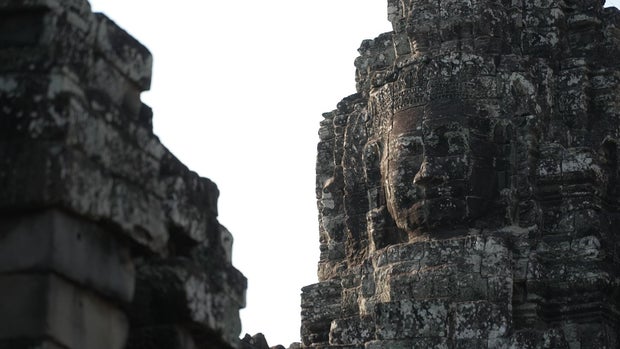
The historical theft of Cambodia’s cultural treasures, thousands of sacred artifacts, is considered one of the greatest art heists ever. This mass plunder started nearly a century ago during French colonization. The 1970s, 80s, and 90s brought genocide, civil war, and unrest, transforming looting into global business run by Douglas Latchford. Latchford kept some treasures and sold many to wealthy collectors and prestigious museums. Cambodia’s government has been tracking these stolen pieces for over a decade, striving to reclaim its heritage.
Angkor Wat, a nearly thousand-year-old temple sprawling over 400 acres, is a symbol of Cambodian glory. Originally a Hindu temple for Vishnu, it became Buddhist later, marking a continuing place of worship. Visitors can explore its ancient stone corridors, though plunder has left many statues dismembered, with empty pedestals marking their absence.
Almost all of Cambodia’s 4,000 temples experienced looting. The Sandak temple, located remote from Angkor Wat, was severely affected.
Brad Gordon, an American lawyer assisting Cambodia in retrieving its treasures, brought a team of investigators to Sandak. The looted temple’s courtyard now resembles a pedestal graveyard. Many statues are incomplete, due to looters hacking them from their pedestals.
For Cambodia, the stolen statues represent sacred deities holding ancestors’ souls. Cambodia’s Minister of Culture, Phoeurng Sackona, oversees the mission to return these gods. A guarded warehouse near Angkor Wat stores over 6,000 pieces, sculpted by the ancient Khmer Empire.
During the Khmer Rouge era, millions perished, temples fell unprotected, and looting flourished. Douglas Latchford emerged as a mastermind behind this vast art theft, all while posing as a protector. His books, filled with stolen Cambodian antiquities, served as sales catalogs enticing collectors.
Brad Gordon’s team met Toek Tik, a former Khmer Rouge child soldier and looter leader. Revealing looting secrets, Tik helped the team locate stolen artifacts. His remorse for past acts encouraged him to divulge vital information.
Looters spent weeks discovering treasures with various tools, transporting statues on oxcarts to Thailand, then to Latchford. The danger of this business left looters fighting and living meagerly.
Douglas Latchford came to U.S. law enforcement’s attention in 2011 when Sotheby’s listed a missing Cambodian warrior statue for auction. After extensive investigation, Sotheby’s repatriated it back to Cambodia.
Latchford claimed innocence, equating legal pursuits to wild imaginations. However, Brad Gordon’s direct access to looters offered rare evidence against him. Latchford died before trial, yet his family’s return of stolen items in 2021 marked a significant step.
The Metropolitan Museum of Art houses many looted Cambodian pieces, some donated or sold by Latchford. Visitors remain unaware of the blood antiquities’ violent origins due to lack of transparent provenance details.
Brad Gordon visited Cambodia to trace Met’s pieces’ real origins, including Koh Ker’s distinct stone warriors. American billionaire George Lindemann’s collection included Cambodian statues, spotlighted in Architectural Digest, leading to their identification and eventual return.
A warehouse in New York housed the former Lindemann collection, awaiting repatriation. The Cambodian artifacts will finally return to their homeland, witnessed by Gordon’s team members. The expected reunion filled them with profound connection and relief.
The Met announced efforts to reevaluate all acquisition histories, including Douglas Latchford’s pieces, after criticism and federal action. Despite their slow response, the necessity to return objects continues under scrutiny.
Cambodia’s government demands further repatriation of its stolen treasures from institutions worldwide.
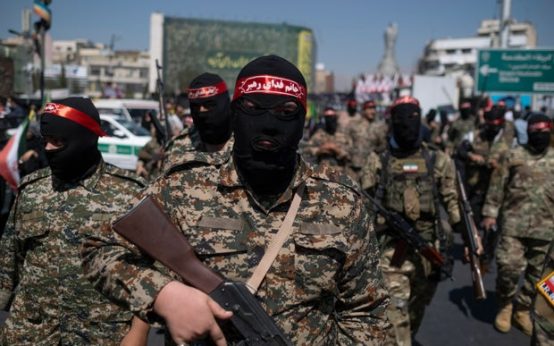 Tensions Escalate in Iran Conflict as Global Leaders Weigh Options
 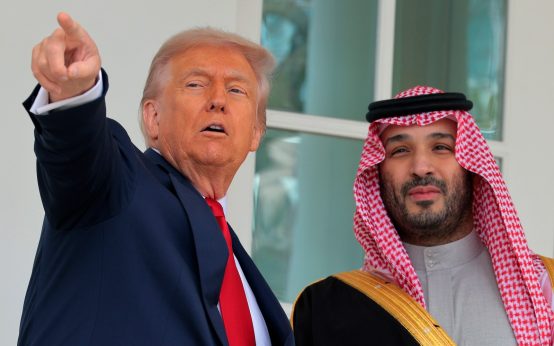 White House Approves F-35 Sales to Saudi Arabia Amidst Regional Tensions
  Inside the Secret Deals Powering the President’s Push to Deport Migrants to Countries Not Their Own
  Navigating the Challenges of Third-Country Deportations
  Midair Altercation on Bangladesh to London Flight
  Ukraine Missile and Drone Barrage Hits Russia Amidst Elections