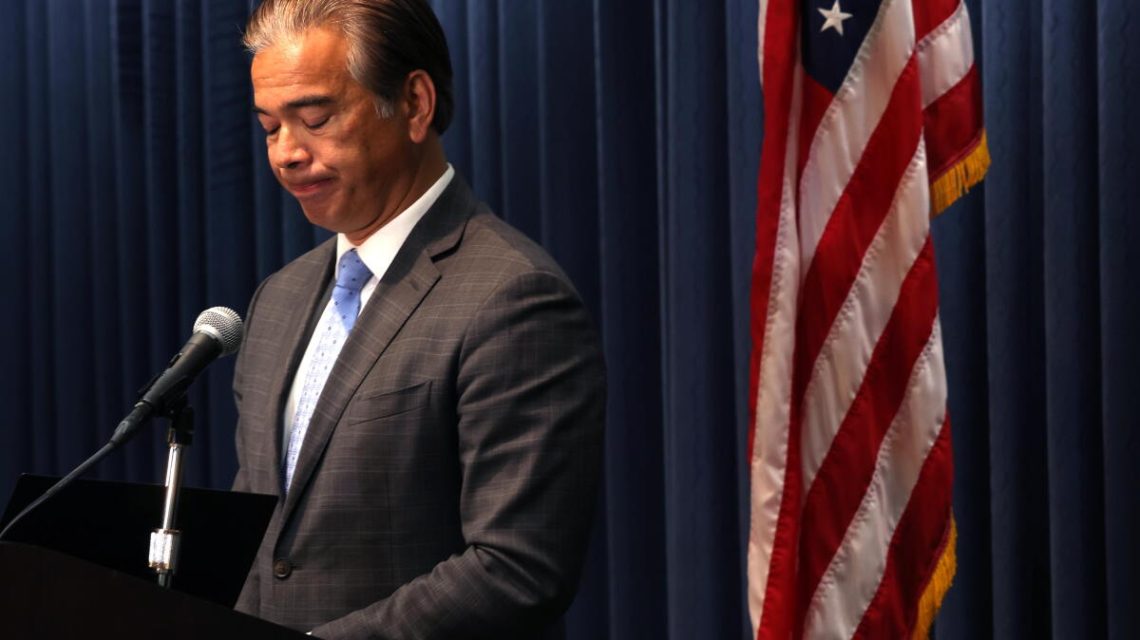
California Attorney General Rob Bonta and Paramount Skydance CEO David Ellison have settled the state’s antitrust challenge. This agreement clears the path for Ellison’s expansive $111 billion acquisition of Warner Bros. Discovery. According to a source familiar with the matter, the settlement resolves the antitrust claims brought by Bonta and 11 other state attorneys general.
Under the terms of the agreement, Paramount will face penalties if they fail to distribute 30 films annually in theaters and invest $1.5 billion in Hollywood film production over the next five years. Neither Paramount nor Bonta’s representatives commented on the settlement publicly. The deal requires federal court approval before Paramount can finalize the acquisition, which will merge two iconic studios holding rights to major franchises like Batman, Harry Potter, Top Gun, and Bugs Bunny. The combination promises to integrate HBO Max and Paramount+ streaming platforms.
Beyond its existing CBS ownership, Paramount will acquire various cable channels, such as CNN, TBS, HGTV, and Comedy Central.
The negotiation process encountered several obstacles. Bonta ceased discussions with Paramount in August following leaked terms. As talks resumed, key figures like New York Attorney General Letitia James and Connecticut Attorney General William Tong expressed concerns over the agreement’s adequacy. They feared Paramount might gain undue influence over the film and television sectors. Ellison kept pushing for the Warner takeover by September’s end, ahead of Congressional midterm elections and before a deadline that would increase payments to Warner Bros. Discovery shareholders.
Ellison received support from California Governor Gavin Newsom, Los Angeles Mayor Karen Bass, and Xavier Becerra, California’s Democratic gubernatorial nominee, urging a settlement rather than a trial. Newsom advocated behind the scenes, driven by Paramount’s potential threat to relocate from California.
Ellison faced urgency in finalizing the agreement, with Paramount expected to pay Warner investors a ticking fee of $0.25 quarterly per share beginning October 1, costing $7 million daily. This amount compounds the $31 share price Paramount promised Warner’s shareholders during their successful bid.
Ellison’s plan faces hefty financial support, with Paramount’s bankers preparing nearly $80 billion in debt for the merger. His father, billionaire Larry Ellison, has committed $47 billion in equity, while royal families from Saudi Arabia, Qatar, and Abu Dhabi pledged $24 billion for a stake. Recently, the Federal Communications Commission authorized nearly 50% foreign ownership in the combined entity facilitated by these investments. The Ellison family retains voting control over Paramount.
Paramount assured Wall Street of substantial cost savings over $6 billion, but reports predict up to 4,500 job losses in Los Angeles due to the merger.
The international regulatory approval process concluded, spanning the European Commission, Canada, and the U.S. Justice Department. However, Paramount spent summer weeks negotiating with Bonta and exerting substantial political pressure, with potential relocation threats to Texas or Tennessee.
Paramount enlisted significant Hollywood unions and cinema chains to retract opposition against the merger. Bonta’s lawsuit had focused mainly on theatrical distribution impacts, relying on theater executives’ testimonies.
A pivotal court hearing approached, with Paramount set to request U.S. District Judge Araceli Martínez-Olguín in Oakland to validate a $1.88 billion bond from the states and WGA regarding delay-related costs. The states opposed this, suspecting Paramount’s motive to weaken their coalition.
The tension escalated as Paramount accused activist Mark Ruffalo of using antisemitic tropes against the merger, drawing vigorous support from Jewish groups. Ruffalo refuted the allegations, citing his free speech right.
Bonta halted a settlement conference, accusing Paramount of leaking confidential details. He emphasized a need for genuine settlement discussions, dismissing any game-playing tactics.
The 37-page lawsuit, filed in Northern California’s U.S. District Court, asserted the merger breached the U.S. Clayton Act, aiming to prevent mergers that hinder competition and increase consumer costs. The states, including Nevada, Colorado, Oregon, Washington, New Jersey, and New Mexico, warned the combination grants Paramount-Warner overwhelming market influence in movie blockbusters and cable television. With a looming June 4 deal completion deadline, Paramount risks incurring a $7 billion breakup fee to Warner Bros. Discovery.
Paramount has already paid $2.8 billion in termination fees to Netflix, which previously withdrew from the auction.
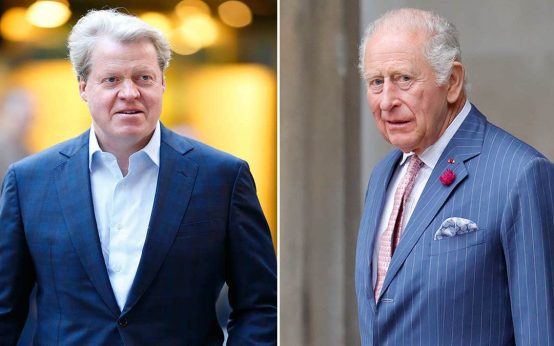 Princess Diana’s Brother Responds to Buckingham Palace’s Denial of Conversation with King Charles III
  Melanie Griffith Reflects on Wellness Retreat and Career Legacy
 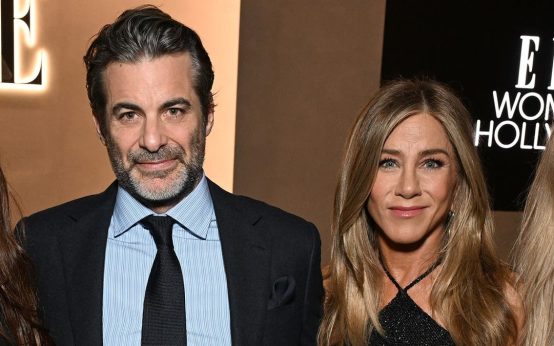 Jennifer Aniston’s Relationship Insights from Relationship Experts
  Kim Kardashian Shares Esophagitis Diagnosis Amid Personal Concerns
 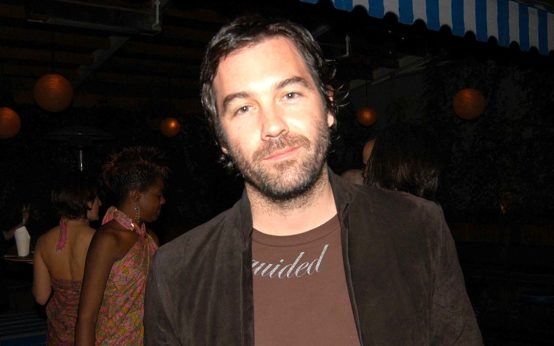 Duncan Sheik, Singer-Songwriter and Broadway Composer, Dies at 56
  Engelbert Humperdinck Reflects on Life-Saving Shoelace During Army Service