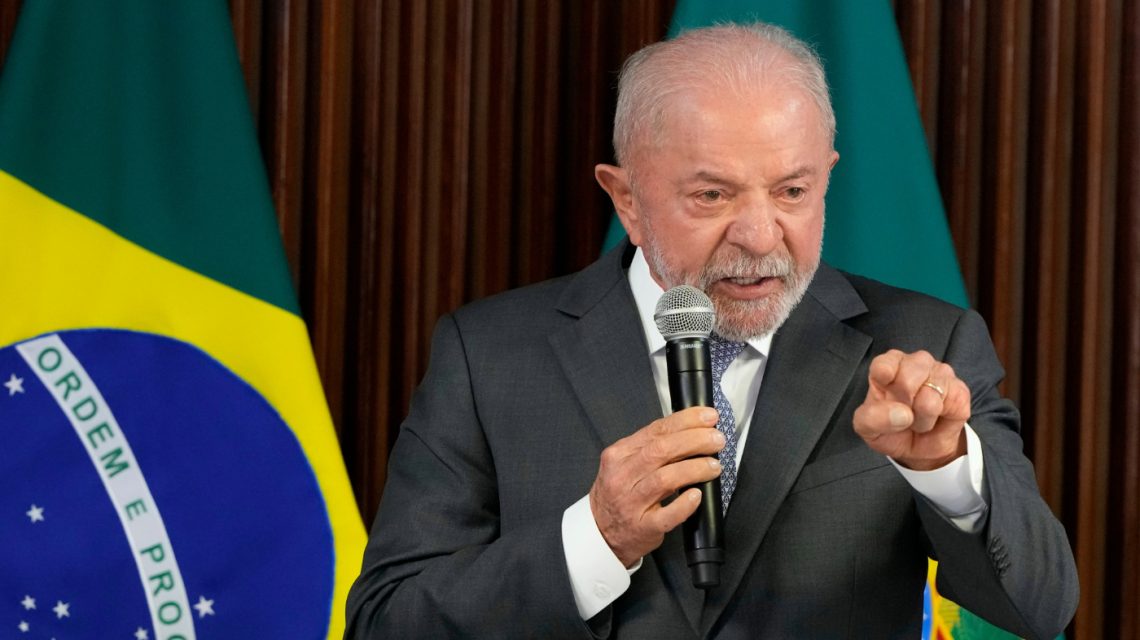
Brazilian President Luiz Inacio Lula da Silva has heightened tensions with the United States while increasing Brazil’s reliance on China. This move could have significant implications for the country’s economy, security, and sovereignty.
Recently, Lula criticized the U.S., calling Secretary of State Marco Rubio derogatory terms. This response came after the U.S. announced 25 percent tariffs, citing unfair trade practices, and labeled Brazilian gangs as terrorist organizations.
Undiplomatic rhetoric between Brazil and the U.S. threatens relations between two major economic partners. In 2023, trade between the nations reached $74.8 billion. The U.S. ranks as Brazil’s second-largest trading partner after China.
Lula’s administration has increased financial ties with China. Brazil plans to issue bonds in Chinese yuan. The country also sells most of its iron ore, soybeans, and oil to China, raising concerns over economic dependency.
The military cooperation between Brazil and China is also growing. Earlier this year, Brazil welcomed the Chinese military hospital ship Silk Road Ark, and both navies participated in joint exercises.
Brazil’s economic ties invite scrutiny over questionable labor practices. Reports emerged of Chinese nationals working illegally at a BYD plant construction site under exploitative conditions.
Brazil and China continue collaborating on significant projects in space technology. The Joint Radio Astronomy Technology Laboratory and the BINGO radio telescope reflect deepening ties. These projects involve the China Electronics Technology Group Corporation, a state-owned defense company.
Collaboration with Huawei in the telecommunications sector is also raising eyebrows. Accused of espionage, Huawei is a controversial player with a history of alleged technology theft.
Lula faces criticism for his approach to drug trafficking. The U.S.-led “Shield of the Americas” initiative excluded Brazil, citing Brazil’s reluctance to designate gangs as terrorist organizations.
Lula’s strategies concentrate power in China. This dependency spans telecommunications, space security, and finance, leaving Brazil vulnerable to China’s economic changes. The shift towards Beijing, while ignoring U.S. ties, may destabilize the region’s security.
 Google Fined for Breaching EU Privacy Rules
  Mayor Mamdani and President Trump Discuss Major Housing Project in NYC
  South China Sea Tensions Rise after Collision between Chinese and Philippine Ships
 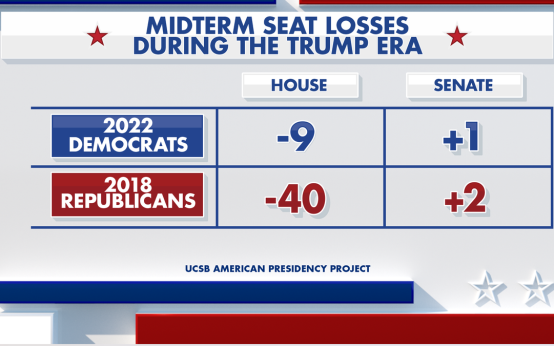 Poll Reveals MAGA’s Increasing Popularity Over DSA as Democrats’ Future Debated
 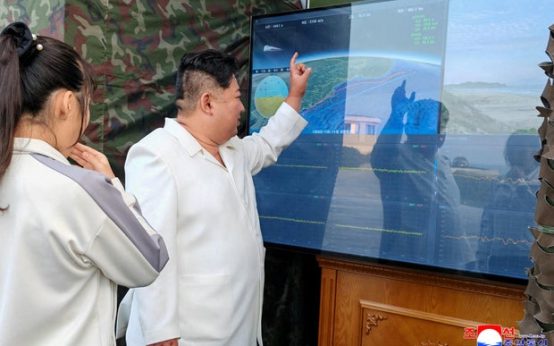 North Korea’s Hypersonic Weapon Test Amid Global Tensions
  Debate Over ICE Action in Austin Escalates