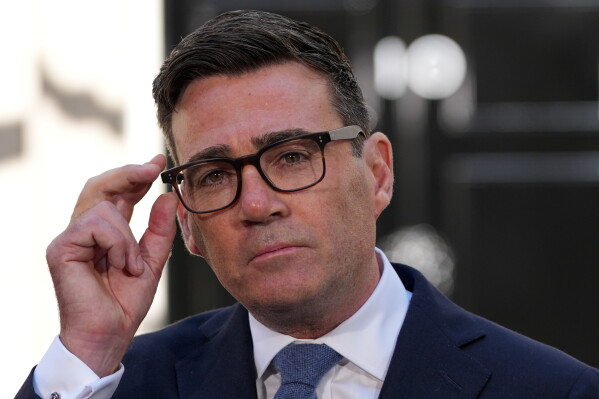
Andy Burnham started his role as the United Kingdom’s Prime Minister on Tuesday, facing a wave of enthusiasm and numerous significant challenges. Notably, these challenges mirror those confronted by his predecessor, Keir Starmer. Issues include a sluggish economy, a cost-of-living crisis, strained public services, and complex foreign policy dilemmas involving ongoing conflicts in Ukraine and the Middle East. Additionally, managing the relationship with the U.S., particularly with President Donald Trump, is on the agenda.
Major Domestic Challenges
Burnham’s political journey brought him back to Parliament after serving as the mayor of Greater Manchester, a region with 3 million residents. Now, he leads a national government responsible for 70 million people, presenting a much larger set of responsibilities. Central to Burnham’s strategy is boosting the economy while decentralizing government.
On Tuesday, Burnham plans to announce his strategy to lower living costs. The economic outlook has worsened recently due to the Iran war, with forecasts predicting slower growth and rising inflation. A key part of his policy platform involves decentralizing government by funneling resources to local authorities and reversing some privatizations from four decades ago. This strategy, often called ‘Manchesterism,’ aims to leverage both private and public investment in sectors such as transportation, housing, and infrastructure. Burnham’s approach is expected to take years to implement.
“Burnham may ease some struggles, but reshaping the economy post-Brexit and post-financial crash poses significant challenges.” — Joshi Herrmann
Financial constraints complicate Burnham’s agenda. He enters office committed to Starmer’s manifesto, which restricts raising key tax rates. Nonetheless, he hinted at a potential wealth tax during a recent podcast interview.
Foreign Policy and Relations with the U.S.
Despite limited foreign policy experience, Burnham pledges to honor commitments to NATO, uphold the U.K.’s nuclear deterrent, and remain a steadfast ally of Ukraine. The strength of the ‘special relationship’ with the U.S. will depend on Burnham’s interactions with Trump, who has sent mixed signals about Burnham’s foreign policy stances.
Burnham plans to maintain key relationships and emphasized commitments such as securing shipping in the Strait of Hormuz during initial conversations with Trump. Defense spending remains a contentious issue, with expectations for increased military budget allocations prompting pressure on Burnham.
Adjustments to EU relations post-Brexit remain a focal point, an area where Starmer had been making strides. However, Burnham faces a delicate balancing act in foreign policies.
Complex Issues in the Middle East
Addressing the conflict in the Middle East, Burnham has taken a critical stance on Starmer’s handling of the situation involving Israel and Hamas. He mentioned potential sanctions against Israelis linked to violence in Gaza and West Bank settlements while facing criticism across different groups for his handling of the sensitive issue.
Addressing Migration
Migration remains a pivotal issue. The U.K., like many nations, has seen significant migrant inflows due to various crises. Burnham plans to maintain the current Labour approach to migration, focusing on reducing numbers while improving safety and legality via established channels. Notably, channel crossings have decreased by 40% compared to 2025 numbers.
Burnham’s direct approach to dealing with ongoing issues such as migration, the economy, and foreign relations continues to shape his policies and influence public discourse.
 A Mother’s Tragic Journey Under Abortion Ban
  U.S. Strategic Goals Remain Unmet Amid Prolonged Conflict
  The Impact of Arts and Closure on Democracy
 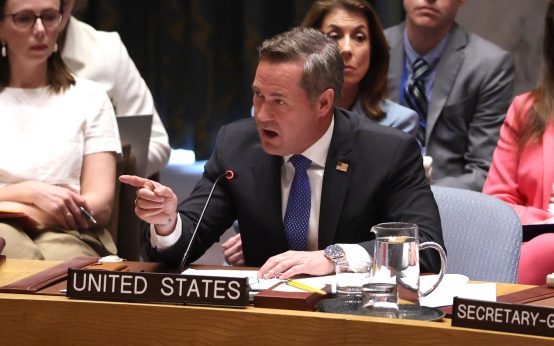 U.S. Ambassador Comments on Iran War Duration Amid Political Concerns
 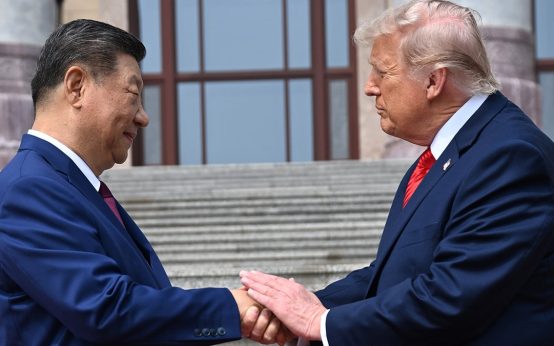 US-China Relations Under Scrutiny: Expert Warns of Escalating Tensions
  No Timeline for End of Iran Conflict