In 1913, Antonino Alati left southern Italy seeking a better life in the United States, despite facing widespread discrimination. Like many Italians of his time, Alati was subjected to negative stereotypes. The media often portrayed Italians as poor, unclean, and incapable of assimilating. There was significant political effort to limit their entry into the country. A congressional report from that period stated that Southern Italians were less intelligent compared to earlier immigrants, suggesting they moved to the U.S. for monetary gain with plans to return home.
Despite the prejudice, Alati was determined. He brought his wife and children to join him, including his young son Salvatore. Over time, the family changed their last name to Alito, and Salvatore became Samuel. This family’s dedication paid off when Samuel A. Alito Jr. became the second Italian American to serve as a Supreme Court justice.
During his 2005 confirmation hearings, Alito honored his father, who faced numerous challenges but worked hard to provide a better life for his children. By then, Italian Americans had become a significant part of American culture, significantly influencing music, politics, and cuisine.
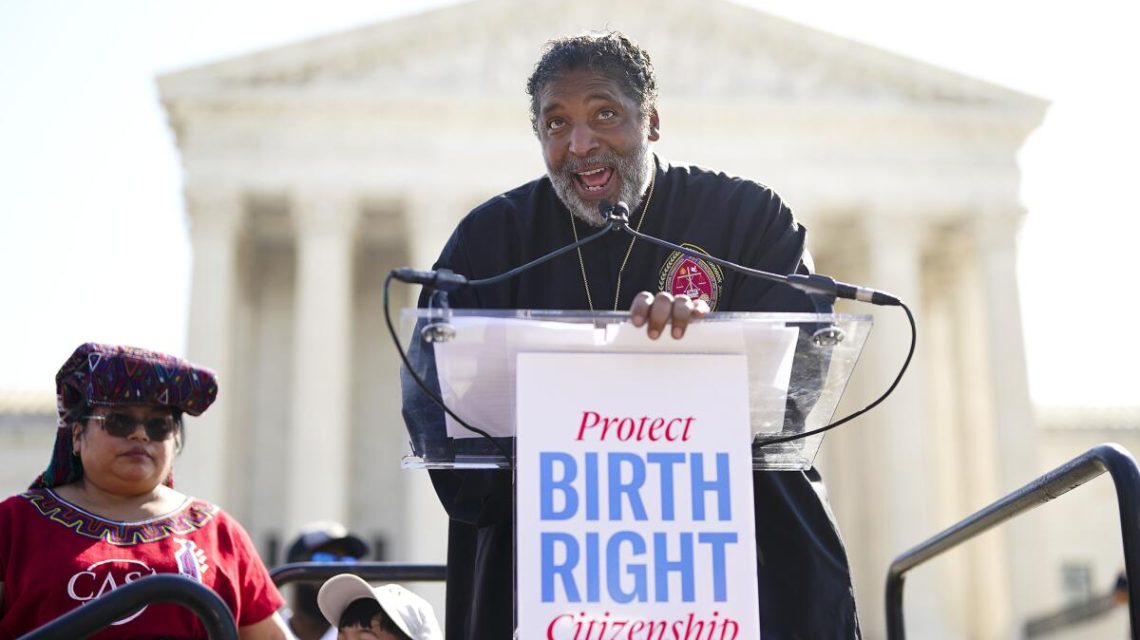
The tale of Alito’s family highlights an essential part of American history: the journey of immigrants in the face of adversity. This background provides context to understand Alito’s surprising dissent in a case concerning birthright citizenship, where he opposed the Supreme Court’s decision to reject President Trump’s challenge to the 14th Amendment.
Alito’s 39-page dissent expressed concerns about the impact of undocumented migrants in the U.S., using terms reminiscent of those historically used against Italians. He questioned the national loyalty of U.S.-born children of immigrants, echoing past doubts directed at Italian Americans.
Alito argued that the amnesty under President Reagan in 1986 was partly due to fraud. This argument is similar to accusations faced by Italian immigrants in the past. His argument received little support from other Catholic justices like John Roberts, Amy Coney Barrett, and Brett Kavanaugh, who supported the opposing majority opinion.
The personal histories of many families, including those of Alito and the article’s author, reveal a similar pattern. The author’s family, with roots in Mexico, experienced similar prejudice but worked for a better life for future generations.
Despite his position, Alito acknowledges the plight of those born in the U.S. to undocumented parents, suggesting Congress should address their situation. He criticized birth tourism as exploiting American generosity, arguing that genuine contributors should be prioritized.
Alito warns that the court’s support for the 14th Amendment may have long-term negative consequences. History demonstrates, however, that descendants of once-maligned immigrant groups often contribute greatly to America, just as both Alito’s and the author’s families did.
Alito’s stance represents a departure from his family’s immigrant legacy, supporting those who would have preferred his ancestors be barred from entry. History will record this decision as a turning away from a promise once fulfilled by his immigrant forebears.
 Public Confidence in the Supreme Court at Record Lows
  Federal Authorities Arrest California Lawmaker’s Aide for Visa Overstay
 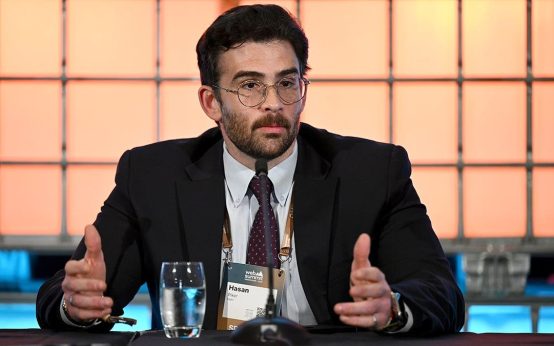 Hasan Piker Addresses Controversial Comments and Political Involvement
  Dan Dakich Criticizes Kaepernick’s NFL Slave Trade Comparison; Simone Biles’ Car Theft Issue
  Lukashenko and Putin Share Light Moments While Strengthening Ties
  Kamala Harris on Possible 2028 Run Highlights Midterm Importance