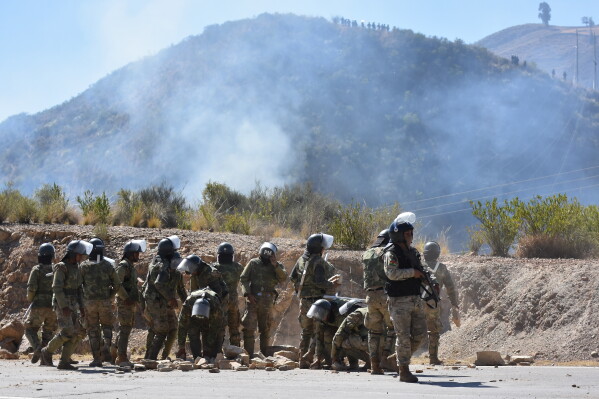
Algerians cast their votes in parliamentary elections on Thursday, marked by concerns over the rising cost of living and the disqualification of candidates challenging the government. With nearly 25 million voters, the country, the largest in Africa, selected from 1,235 candidates to fill 407 five-year term seats in the lower house of Parliament.
Voter turnout was a major concern as many Algerians seemed indifferent to campaign activities. The government declared Thursday a paid national holiday to encourage participation. However, many citizens appeared more worried about daily challenges, such as purchasing power and declining public services, amid a context of decreasing political, media, and union freedoms.
As Algerians focused on the World Cup, where their national team played against Switzerland to qualify for the round of 16 early Friday, the current government-aligned majority held about 300 seats, with the Islamist MSP party being the second-largest force with 64 deputies.
Some MSP candidates were among the 269 disqualified applicants, alongside former leaders and activists from the pro-democracy Hirak movement, which helped oust autocratic leader Abdelaziz Bouteflika in 2019. The government has gradually tightened freedoms under President Abdelmadjid Tebboune, re-elected for a second term in 2024. The electoral authority stated that disqualified candidates were barred over “links to illicit financial networks” and “suspicious political activities.”
Security Measures and Voting Logistics
On the election eve, security measures were implemented near voting centers in the capital, Algiers. In southern regions and the Sahara desert, the vote was advanced by 48 hours for the nomadic population to cast ballots transported in government off-road vehicles escorted by police.
For the Algerian diaspora, encompassing around 854,225 registered voters, primarily in France, voting took place on Saturday and Sunday at consular offices. There was high participation and a “family atmosphere,” according to the state news agency APS.
The government also rescheduled end-of-year school exams to free classrooms and teachers, who commonly staff voting centers for daily allowances.
Campaign Dynamics and Criticism
Facing largely empty campaign venues, parties and independent candidates engaged in “grassroots meetings” with citizens in streets, markets, and popular cafes. A widely-shared video last week showed a political leader unsuccessfully trying to convince a young person to vote. Nonetheless, parties campaigned actively. The presidential majority, led by the veteran FLN party, sought high turnout to reinforce Algeria’s internal standing against geopolitical challenges.
The opposition Workers Party, with Trotskyist leanings, advocated for higher pensions and wages and opposed mining sector reforms benefiting foreign investors. The leader of the Socialist Forces Front, the main democratic movement party, called for the release of political prisoners and increased press freedom, arguing that boycotting the polls would only aid the government.
The electoral authority justified candidate disqualifications with an anti-corruption law that, in previous years, allowed parliamentary seats to be bought with money tied to narcotics, corruption, and tax evasion. However, affected candidates claimed unfair application or political motives. “I voted for this virtuous law aiming to clean up the political scene, but it’s clear it’s been misused as a massive exclusion tool,” stated Abdelahab Yagoubi, an Islamist legislator representing the Algerian diaspora, who couldn’t seek re-election.
Said Oulhadj, a 62-year-old elementary school principal from a mountain village, aimed to run with the independent Thagmats (Fraternity) party but was disqualified. “I have nothing to do with dirty money,” he told The Associated Press. “The electoral authority has damaged my reputation and honor. How will my students, their parents, and my colleagues see me?”
The electoral authority president, Karim Khelfane, defended the institution, noting that nearly 70% of the submitted candidacies were accepted, and some lawmakers who couldn’t secure a second term had voted for the anti-corruption law.
 Gorillaz and Macklemore Respond to Controversy Over Israel-Palestine Statements
 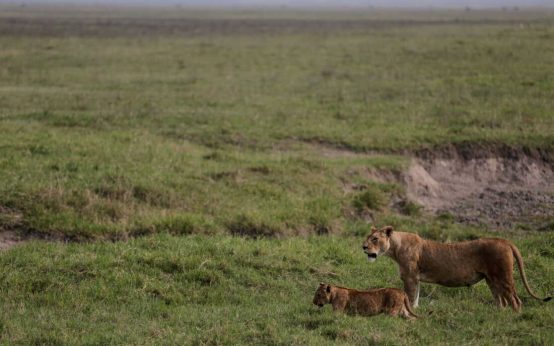 Investigation into Lion Deaths in Tanzania
 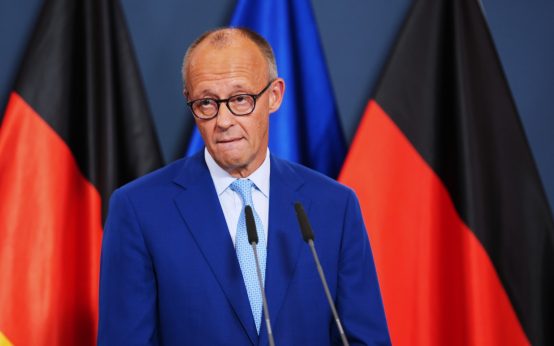 Merz Stays Resolute Amid Electoral Shifts in Germany
 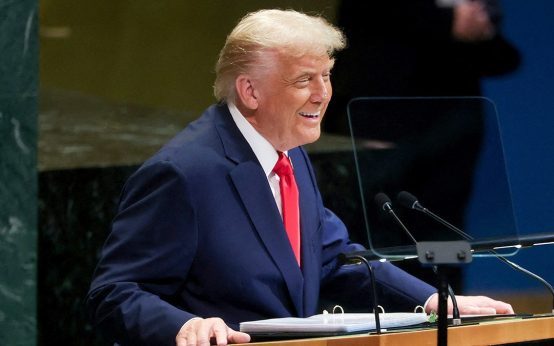 U.S.-Iran Relations and Diplomacy at Upcoming U.N. Assembly
  US-China Relations Under Scrutiny: Expert Warns of Escalating Tensions
  Extradition of Suspects in Haitian President’s Assassination