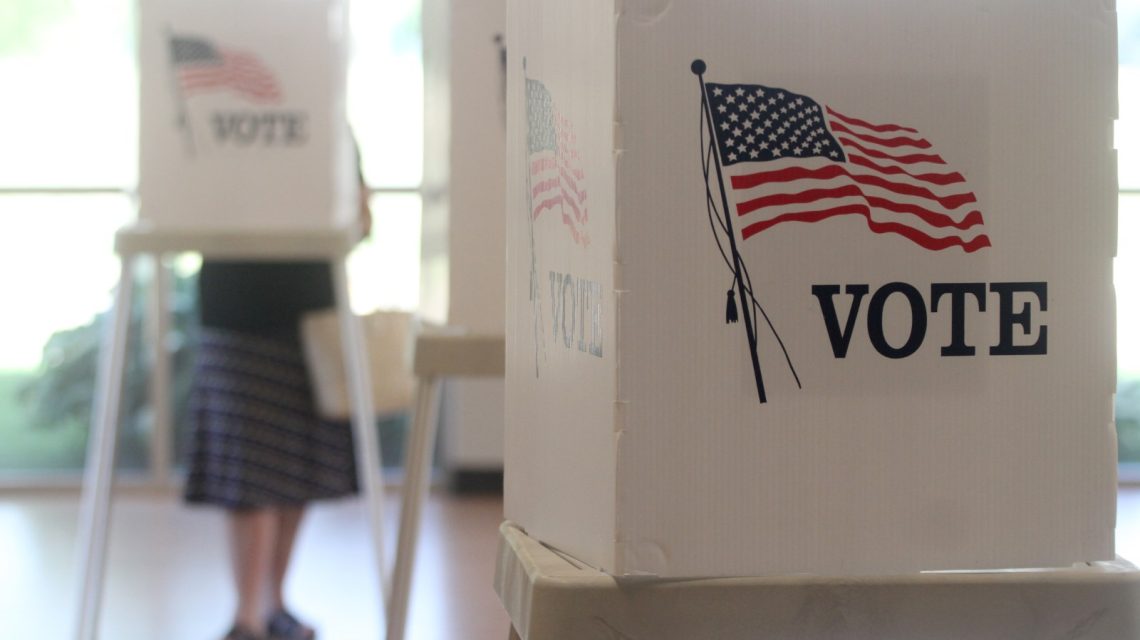
As voters prepare for the midterm elections, attention is turning to political donations linked to the artificial intelligence (AI) industry. Experts point to the potential influence of AI-related money on candidates, although its effect on election outcomes is uncertain.
Corporate political donations are a long-standing part of American elections. However, the rise of AI and the rapid development of data centers in the U.S. has highlighted the industry’s political spending. Candidates in key races are questioned about AI-related financial support, raising concerns about influences on issues like electricity costs, tax incentives, and local data center projects.
“Data-center backed candidates may face backlash,” Virginia Tech’s Cayce Myers told Newsweek. “In tight races, a few votes can swing the result.”
Notable Races with AI Donations
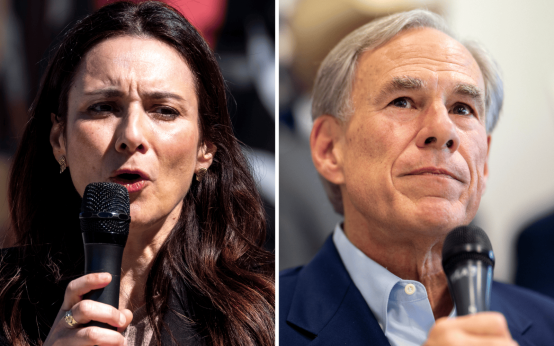
In some high-profile races, AI-affiliated campaign donations have gained attention. For instance, in Texas, Republican Governor Greg Abbott is running against Democratic state Representative Gina Hinojosa. Abbott has received significant donations from data center-linked sources, even pausing new approvals for them pending state audits on their grid impact, as reported by the Texas Tribune.
In Ohio, Republican Senator Jon Husted and Democratic former Senator Sherrod Brown have debated AI-related donations. Fox News revealed that Brown received $20,000 from a Google PAC over his career. Meanwhile, American Journal News reported Husted received over $630,000 from data center-associated bodies in 20 years. Current records indicate Husted collected $11,000 and $22,000 from AI-linked companies this year.
Husted’s campaign argued that community should decide on data centers and cover their infrastructure costs. “This is why Sen. Husted introduced the Ratepayer Protection Act,” a spokesperson explained.
In contrast, a spokesperson for Brown’s campaign claimed Husted has burdened Ohioans with higher electric costs and tax breaks for corporations, dubbing him “the face of data centers in Ohio.” Both campaigns declined to assure voters about donation influences on their decisions if elected.
AI is a significant issue for many, as highlighted by the University of Akron’s David Cohen and a BGSU/YouGov poll showing 19% of Ohioans are concerned about AI and data centers. This awareness heightens when media covers notable contributions.
“Perception is reality in politics,” Cohen noted. “Close ties to big tech can affect public views of officials.”
Despite the prominence of AI and data centers, immediate concerns for voters include the cost of utilities like electric and water bills, according to Myers. Political sentiment is mixed across parties regarding tech regulation and state incentives.
The impact of AI donations on election results is yet to be determined. Myers acknowledges the skepticism and criticism of corporate influence, making money an ongoing contentious issue in American politics.
This story was produced with Martyn, Newsweek’s AI assistant. For inquiries, contact Newsweek editors Jenna deJong and Dave Siminoff.
 Private Investment and Intelligence Key to Military Modernization
 Nobel Prize Winners Propose Simplified Economic Models
 Short-Lived Tenure of U.S. Press Secretary and the Historic Room
 A New Era at the James S. Brady Press Briefing Room
 Abbott Dismisses Lawsuit Seeking Musk Communications
 Debate on Abdul El-Sayed’s Response to Muslim Brotherhood Allegations