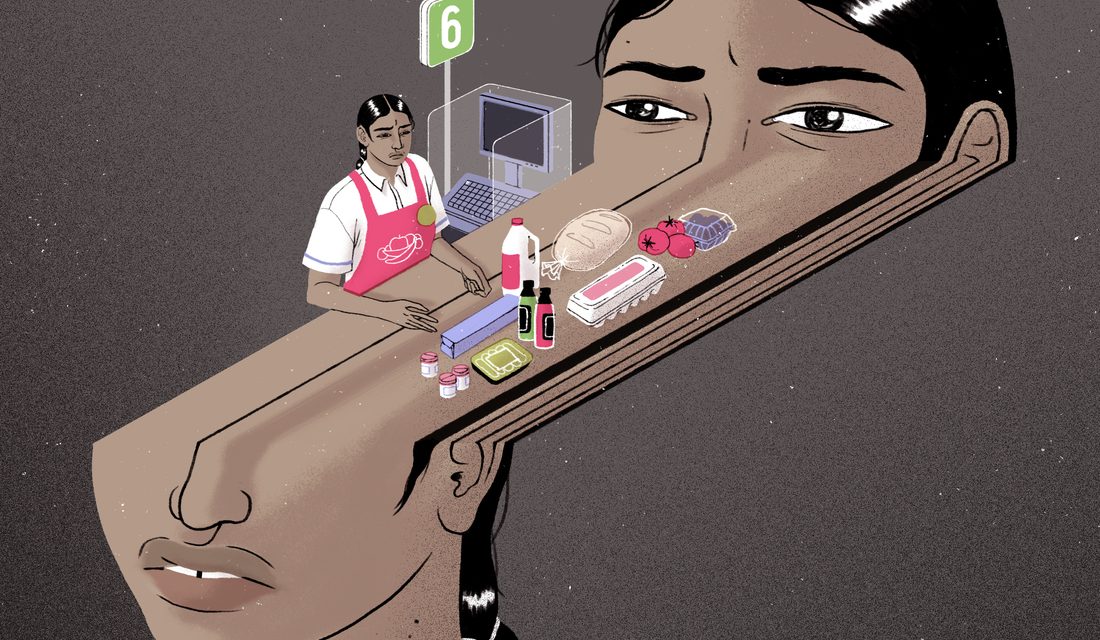
Being at work while struggling with mental health issues like depression, burnout, or anxiety can be challenging. A stigma surrounds taking time off for mental health as opposed to physical health. Jody Adewale, a Los Angeles-based psychologist and medical advisor for Made of Millions, a mental health advocacy foundation, highlights the importance of addressing mental health needs. ‘It’s not a character flaw or a sign of weakness,’ Adewale explains. ‘Everyone experiences this at some point in life.’
Understanding how to recognize mental health issues and what you can do about it is crucial. Experts offer tools for employees and managers to make workplaces more supportive.
Signs of Declining Mental Health
Start by checking in with your body for signs of tension, sleep issues, or changes in appetite. Even if these symptoms aren’t affecting you directly, you can support colleagues by watching for these five signs of emotional suffering:
- Drastic personality change
- Increased agitation or anger
- Withdrawal from social interaction
- Poor hygiene or substance abuse
- Feelings of hopelessness
These indicators, identified by Give an Hour, can help determine when it’s necessary to address mental health issues, says Hassel Aviles, co-founder of Not 9 to 5, an organization advocating mental health in foodservice and hospitality. Spotting even one sign is reason enough to check in with yourself or others.
Talking to a Trusted Person
Learning that you need help is the first step. Reach out to a trusted colleague to discuss your feelings and consider resources. A coworker can provide support, and a supervisor may know resources for mental health support. If necessary, consult the human resources department, but remember HR has the company’s best interest at heart, explains Adewale.
If an employer discriminates against you due to mental health conditions, contact the U.S. Equal Employment Opportunity Commission. Use the DEAR method when discussing your needs:
- D – Describe the situation factually.
- E – Express your feelings and how you were affected.
- A – Assert your needs.
- R – Reinforce the desired outcome and its mutual benefits.
Negotiation is necessary, as complete accommodation may not be possible, but workable solutions can be found.
Taking a Break
If therapy is insufficient, consider taking time off work to recover. Use short-term disability leave for conditions, including mental health issues. Vermont journalist Siobhan Neela-Stock took over two months for recovery and shared her experience online, encouraging more people to consider mental health leave.
Creating a Psychologically Safe Workplace
For mentally healthy workspaces, ‘psychological safety’ encourages open communication without fear of reprisal. Employers and employees can establish environments that prioritize vulnerability and innovation.
Engage with teammates by focusing on affected voices. Be transparent and receptive to feedback to foster growth and creativity.
Resources
Explore workplace mental health resources through the CDC, Made of Millions, and Not 9 to 5. Find psychological safety guidelines on ShiftCollab or learn about mental health protection rights from the U.S. Equal Employment Opportunity Commission.
If you have life hacks, leave a voicemail at 202-216-9823 or email [email protected]. Your tips may feature in upcoming episodes. Enjoy Life Kit? Subscribe to our newsletter for more insights.
 Florida Reports First Dengue Fever Death as Outbreak Expands
  Federal Relief Funds Used for Anti-Racism Training in Albuquerque Schools
  Florida Man Claims ‘Lion Diet’ Transformed Health and Life
  Concerns Over Food Safety and Its Impact on Families
  A Mother’s Tragic Journey Under Abortion Ban
  Medical Diagnosis Errors: Understanding the Crisis