Of all the forms of inequality, injustice in health care is the most shocking and inhumane.
My father once said these words, and decades later, they still resonate as one of the biggest public health challenges in our country. Across America, millions of families struggle with obesity, a chronic disease that disproportionately impacts low-income communities and communities of color. However, many of these individuals remain deprived of access to treatments that health experts increasingly recognize as effective and transformative.
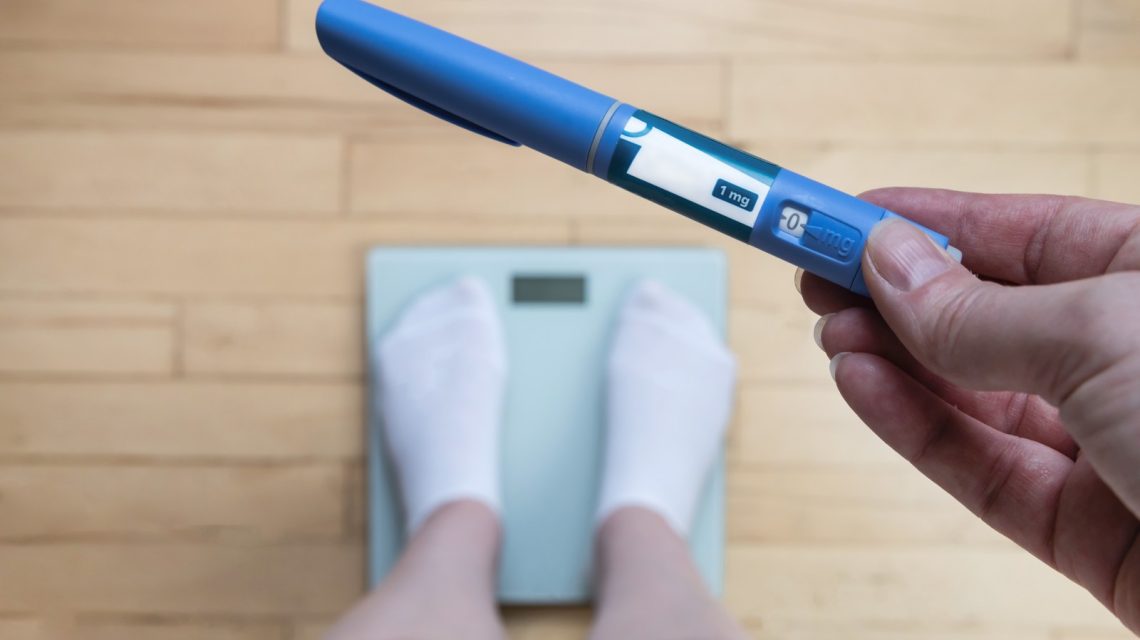
Recent decisions by states like California to limit coverage for GLP-1 treatments for obesity highlight a growing national concern. Effective care is available but often only for those who can afford it. This is not merely a healthcare issue; it is one of fairness and equal opportunity. We have long asserted that one’s residence or income should not dictate their chance to live a healthy life. Yet, these principles fall short if effective obesity treatment is mostly accessible to those with private insurance or means to pay out of pocket, leading to a healthcare system where access depends heavily on income.
Obesity is linked to many chronic illnesses that burden American families, such as heart disease, stroke, diabetes, kidney disease, and hypertension. These conditions shorten lives, strain families, and increase healthcare costs. Recent advancements in obesity treatment offer hope to many Americans. These treatments are improving health and aiding in the management of a chronic disease. For many patients, obesity treatment is not about appearance, but about accessing medically necessary care.
Parents find energy to engage with their children. Workers enhance their health and their ability to support their families. Patients previously cycling through ineffective treatments are now seeing progress. But hope is limited if access is restricted to those who can afford it. When Medicaid does not cover obesity treatment, many low-income patients are forced to wait until their condition worsens. This does not save money; it merely shifts costs to emergency rooms, hospital stays, disability, and preventable suffering. Policymakers should view obesity treatment as healthcare, not a luxury, especially important in communities facing higher obesity and chronic disease rates.
We cannot reduce health disparities while restricting access to promising tools. Unfortunately, stigma continues to influence the obesity conversation. Those living with obesity often face judgment rather than compassion, with the disease moralized instead of treated with the seriousness of other chronic conditions. We wouldn’t tell a cancer patient to just try harder. Obesity warrants the same seriousness, respect, and treatment access as any chronic disease. Healthcare should not be limited to those with the right ZIP code, insurance plan, or income level. Medicaid’s existence illustrates that care should not be wealth-dependent, and excluding obesity treatment undermines this mission.
The question policymakers must answer is simple: Who deserves access to modern medicine? We cannot build a healthier nation while sidelining communities already facing significant health inequities. Expanding Medicaid’s obesity treatment access won’t solve every issue in our healthcare system, but it would signify a critical step towards ensuring modern medical advancements are accessible to all Americans, not merely the affluent.
Ultimately, the measure of our society is not whether the fortunate can access lifesaving care but whether we extend that care to those most in need.
Martin Luther King III is a global humanitarian and activist and the eldest son of the Rev. Martin Luther King Jr. The views expressed are the writer’s own.
 Florida Reports First Dengue Fever Death as Outbreak Expands
  Federal Relief Funds Used for Anti-Racism Training in Albuquerque Schools
  Florida Man Claims ‘Lion Diet’ Transformed Health and Life
  Concerns Over Food Safety and Its Impact on Families
  A Mother’s Tragic Journey Under Abortion Ban
  Medical Diagnosis Errors: Understanding the Crisis