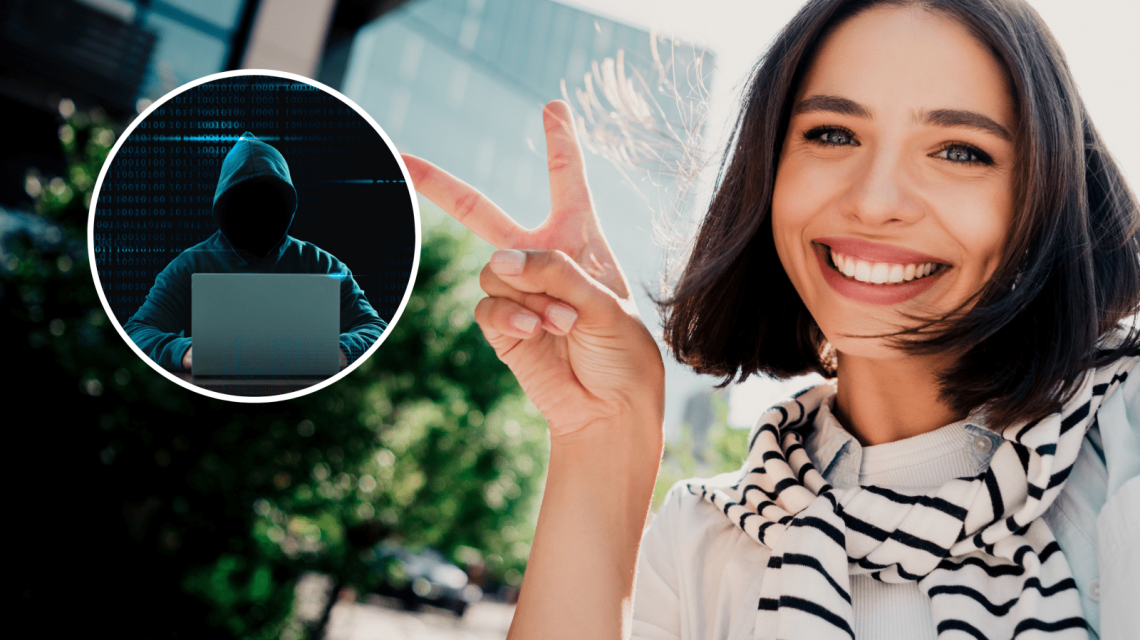
Social media platforms like TikTok and Instagram attract millions of users who post high-quality images daily. Technology giants such as Apple, Samsung, and Google provide the means with advanced smartphones. However, the same high-resolution capabilities that make pictures look stunning also create unprecedented risks. These risks involve not just the equipment but also the actors willing to misuse technological advancements.
Consider a casual selfie taken with a top-tier smartphone capturing fingerprint patterns at near-forensic quality. This seemingly innocuous image could reveal more than intended. It might inadvertently expose biometric data to ill-intentioned individuals.
Biometrics Risks: Beyond Fingerprints
Access to biometric information is increasingly simplified. Bryan Lopez, a cybersecurity and AI technology expert at Microsoft, highlights the growing threat. Lopez states that people bypassing security forensics is a real, underestimated, and accelerating concern. He explains how AI tools now allow individuals to reconstruct biometric templates from social media images.
Lopez notes that today’s threats go beyond fingerprint data. AI technologies can create convincing voice replicas using short recordings. Such recordings find their way into vlogs and podcasts shared online freely. These synthetic voices challenge authentication systems and enable social engineering.
Deepfakes deepen the threat landscape considerably. With a few publicly available images, a malicious actor can create realistic videos showing fabricated actions or statements. This capability has severe potential for deceiving identity and damaging reputations through fraudulent activities.
Invisible Threats
People at risk often fail to recognize the invisible nature of these threats. Ordinary actions like gesturing with a peace sign or casually recording videos may have security implications. As Lopez puts it, “The attack surface is hiding in plain sight.”
The Cybercrime Landscape
Cybercrime statistics demonstrate the urgency to address these issues. The FBI noted 859,532 cybercrime complaints in 2024, accounting for over $16 billion in losses. Phishing cases alone involve billions of malicious emails each day. Biometric credentials’ irreplaceable nature amplifies these threats.
Unlike passwords, which users can reset, biometrics present permanent vulnerabilities once compromised. Lopez stresses the seriousness of unauthorized access to biometric data. Bojan Simic of HYPR agrees, asserting that relying on a single authentication factor is increasingly risky.
Strategies for Protection
Simic advises using passkey-based authentication, linking biometrics with cryptographic credentials on devices. This structure balances biometric use by making it more secure. Simic emphasizes this security measure for biometrics due to their immutable nature.
For everyday protection, Lopez suggests pragmatic steps. Adjusting social media privacy settings and locking accounts to followers reduce risk. Additionally, limiting high-resolution images and disabling metadata can safeguard against data misuse. Awareness of behavior combined with strong privacy practices offers the most reliable protection. With continuous technological advancement, building these habits now secures our future safety.
 Challenges Facing Social Media Platforms in 2026
  Remote Work and Social Connections
  Social Media Platforms Face Hefty Lawsuits in 2026
  Memphis City Council Considers Temporary Moratorium on Data Center Development
  Can Existing Laws Tackle AI Development?
  VPN Usage and Security Checks: Solutions and Tips