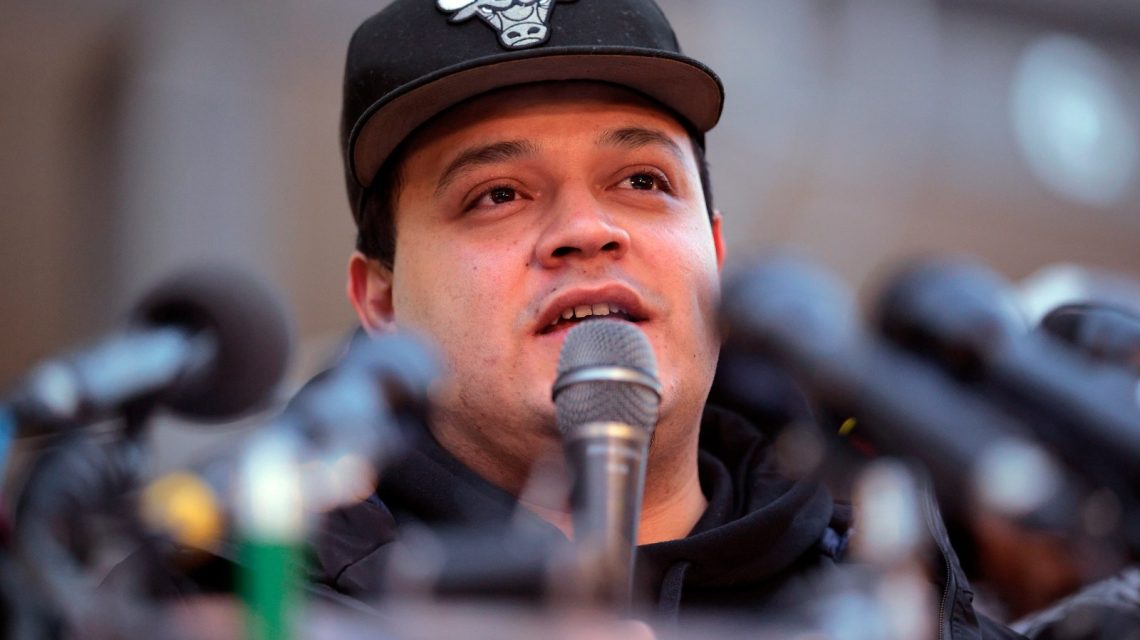
The recent dismissal of criminal charges against Kilmar Abrego Garcia raises important discussions. While he is not to be idolized, his experience highlights significant issues. Abrego Garcia, like many others, sought the American dream but faced accusations. These stem from efforts to depict him as a criminal without solid evidence.
The Trump administration’s repeated attempts to undermine Abrego Garcia date back to his wrongful deportation to a notorious prison in El Salvador, where he was unfairly labeled a gang member. These wrongful actions by authorities pose a greater threat to law and order.
Last year, after evasive claims regarding Abrego Garcia’s return to the U.S., officials brought him back. They arrested him with severe allegations, branding him as a threat to public safety. Yet, they failed to substantiate these accusations in court. Instead, they charged him with alien smuggling—a charge that soon collapsed completely.
The case was fraught with manipulation by prosecutors. Their main witness was a repeatedly deported felon who admitted to smuggling aliens and was released from jail in exchange for testimony. His narrative of Abrego Garcia working excessively long hours smuggling immigrants was implausible and likely to be dismissed in court.
Questions regarding whether Abrego Garcia aided illegal immigrants remain unanswered. Yet, the true concern lies with the conduct of the authorities. President Trump’s approach prioritizes targeting adversaries over justice. The legal process becomes a punishment in itself, regardless of guilt.
This case underscores the necessity for punishment beyond dismissing baseless charges. Government lawyers responsible for sham prosecutions must face consequences, such as having their law licenses revoked. The court has the authority to discipline such lawyers, including those like Acting Attorney General Todd Blanche, who admitted that the case was retaliatory.
Monetary lawsuits against the government can also serve a role in seeking justice, though they often burden taxpayers rather than those responsible. People like Abrego Garcia, and others adversely affected by law enforcement, should have the right to seek damages for their suffering and legal expenses.
Ironically, Trump is reversing this system, allocating significant funds for those with criminal convictions rather than those unjustly accused. His actions reflect a classic projection: weaponizing the Justice Department while claiming victimhood. This irony is evident as he continues to support figures like those involved in the Capitol attack, claiming they were unfairly targeted.
Thomas G. Moukawsher, a former Connecticut judge and author, shares his perspective on the complexity of such legal cases in his work, advocating for simpler, more transparent legal processes. His views reflect a focus on fairness and accountability within the judicial system.
 Readers’ Views on Social Security Reform and Education
  Dan Dakich Criticizes Kaepernick’s NFL Slave Trade Comparison; Simone Biles’ Car Theft Issue
  Controversy Over Racial Comments in College Admissions
  Facing the Reality of U.S. National Debt
  Ari Emanuel: A Hollywood Insider’s Journey
  Reader Reactions on Grizzlies and Data Centers