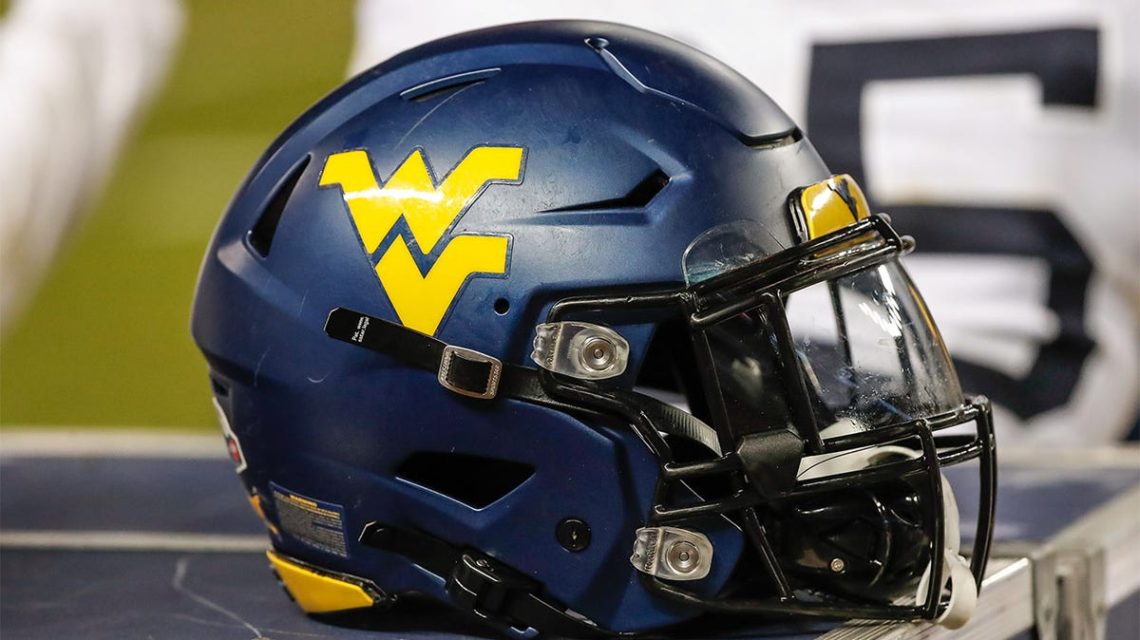
The 2007 college football season stands out in history, renowned for its unpredictability and unexpected outcomes. Among the highlights was Appalachian State’s stunning victory over Michigan, an event that shocked fans nationwide. That year, a remarkable 62 ranked teams suffered defeats at the hands of lower-ranked or unranked opponents. Even teams at number two in major polls faced losses seven times in the season’s final weeks.
Despite the chaos, the season concluded with familiar giants from the SEC and Big Ten clashing for the national championship. However, there was potential for an even more surprising finale, where the West Virginia Mountaineers could have claimed their first national title.
The West Virginia Mountaineers football team of 2007 emerged as one of sport’s major “what if” stories. Despite lacking a national championship banner, they came close, marking a significant point in college football history.
Examining West Virginia’s program from the mid-to-late 2000s reveals a well-built team. Under head coach Rich Rodriguez’s leadership, the Mountaineers embraced his culture and spread-option offensive strategy. By 2004, the team had already secured two Big East co-championships. In 2005, West Virginia’s noteworthy 11-1 season included a victory against Georgia in the Sugar Bowl, showcasing Pat White’s outstanding performance as a dual-threat quarterback.
Continuing their success in 2006, West Virginia again achieved 11 wins, consistently finishing among the top ten teams. This made them strong contenders for the national championship in 2007, carrying a top-five ranking into the season.
Despite an early setback against South Florida, West Virginia remained a title contender amid widespread national disruptions. Led by Pat White, the Mountaineers’ offense was a formidable force. Joining White were running backs Steve Slaton, Noel Devine, and fullback Owen Schmitt, forming a daunting rushing lineup.
West Virginia averaged almost 40 points per game, ranking ninth nationwide, and achieved top metrics in yards per play and rush, making them an offensive powerhouse. The team dominated opponents throughout the season, seeming unstoppable as they approached its end.
As the season neared its conclusion, West Virginia held the number two spot in BCS polls and topped the USA Today Coaches Poll. A win against rivals Pittsburgh in The Backyard Brawl would have secured their title game spot. Despite Pittsburgh’s poor season and being massive underdogs, the unexpected happened.
In a twist emblematic of 2007’s unpredictability, West Virginia faced a shocking defeat by Pittsburgh, losing 13-9. This defeat cost them their place in the national championship matchup.
Adding to fans’ disappointment, West Virginia dominated a top-ranked Oklahoma Sooners team in the Fiesta Bowl, enhancing the “what if” narrative. After the season, Rodriguez left for Michigan but couldn’t replicate his previous successes. West Virginia’s proximity to title success remains unmatched since then.
Despite setbacks, West Virginia and Rodriguez reunited in 2025, realizing their mutual need. The 2007 season remains a landmark in college football, particularly for West Virginia fans, as a symbol of missed opportunities. They are remembered as a potential dynasty cut short in college football’s exciting era.
These stories contribute to the unique charm of college football’s history.
 Colin Kaepernick’s Press Tour Raises Unasked Questions
  Jarren Cooley’s Journey from Sprinter to Football Starter
  Kailey Skurka Nears Milestone in Volleyball Career
  A Look Back at a Memorable Weekend of College Football in Oxford
  Debate Over O.J. Simpson’s Exclusion from Buffalo Bills’ Wall of Fame
  Chad Tracy Appointed Permanent Red Sox Manager