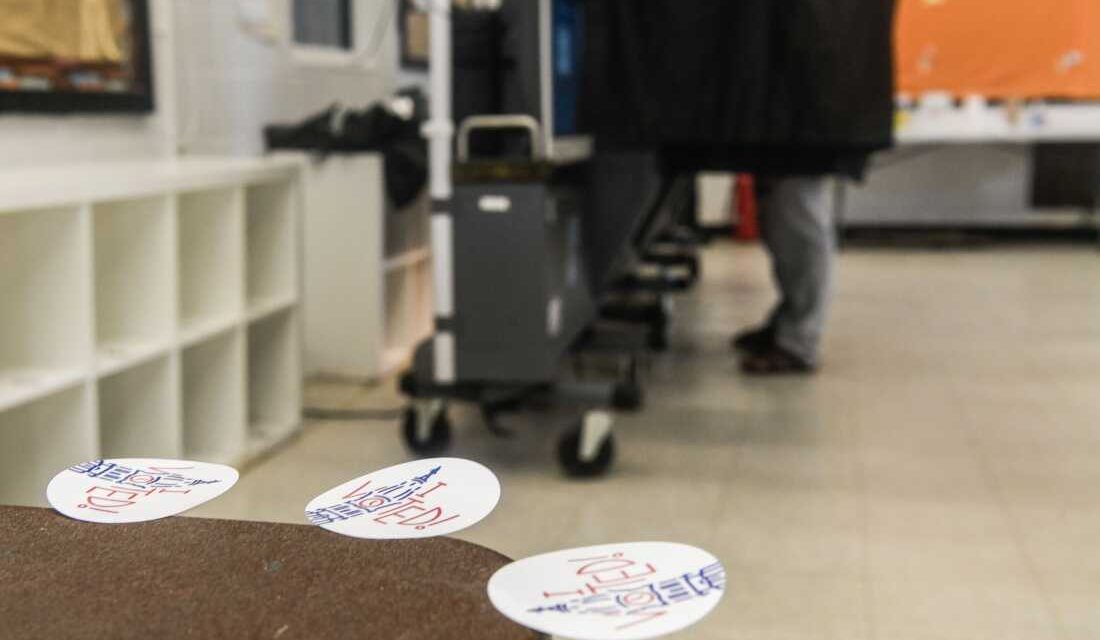
A growing concern in U.S. politics is the polarization of Congress, which many attribute to the nature of primary elections. Some lawmakers criticize closed, single-party primaries for limiting voter choice and encouraging officials to prioritize party loyalty over personal judgment.
John Opdycke, president of Open Primaries, highlights the issue, noting that both Democrats and Republicans shape electoral outcomes before the general public votes. This method alienates voters and enhances partisanship.
Recent primary elections in states like Indiana, Kentucky, and Louisiana have ousted Republican lawmakers who opposed President Trump. This aligns with the ongoing mid-decade redistricting efforts initiated under Trump’s influence. Consequently, over 90% of U.S. House seats favor one party, placing primary elections in control of electoral outcomes.
Call for Nonpartisan Primaries
Nick Troiano from Unite America advocates for nonpartisan primaries, warning that partisan gerrymandering and primaries foster more polarization. He states, “If you’re an elected official, the only threat to your reelection is someone running to your ideological extreme in your primary.”
Congressman Brian Fitzpatrick of Pennsylvania stands as an example of the system’s shortcomings. Despite representing a competitive district, closed primaries prevent him from running as an independent. He supports open primaries, believing they facilitate voter participation and prevent Congressional stalemate.
State-Level Challenges
Reformers face significant opposition. In states like Louisiana, rule changes have restricted voter participation. Sen. Bill Cassidy’s experience in Louisiana highlights this. After voting against Trump, he faced a closed primary system that favored party control, illustrating how these systems suppress moderate political voices.
In contrast, Alaska’s Sen. Lisa Murkowski benefited from a reformed primary process. The state implemented a system where all candidates appear on a single ballot, advancing the top four to general elections. Murkowski has stated, “I think it certainly benefits us in Alaska,” reflecting her success in this format.
Resistance to Change
Political parties resist surrendering control over primaries. Open primary advocates like Opdycke argue that gerrymandering has reached its limits, leading parties to close previously open primaries.
Despite efforts to implement open primary systems nationwide, many voters reject such reforms. Troiano’s organization recounted setbacks in several states but remains active in preventing further restrictions.
Opdycke clarifies misconceptions about open primaries. He argues closed systems discourage bipartisan cooperation on vital issues like energy and education, emphasizing that political dialogue should go beyond party lines.
In summary, addressing the closed primary system’s limitations is vital for reducing polarization and enhancing cooperation in Congress. Without reform, the U.S. risks perpetuating the partisanship that contributes to legislative gridlock.
 Political Strategies for the Upcoming Midterm Elections
  Trump Considers Diesel Export Ban Amid Rising Fuel Prices
  Texas Senate Race: Talarico Takes Lead in Youth Vote
  Criticism Arises Over Michigan Senate Nominee’s Association with Streamer
  Homeland Security Takes Action Against Voter Fraud
  Iowa Senate Election: Turek Leads in Polls Amid Economic Concerns