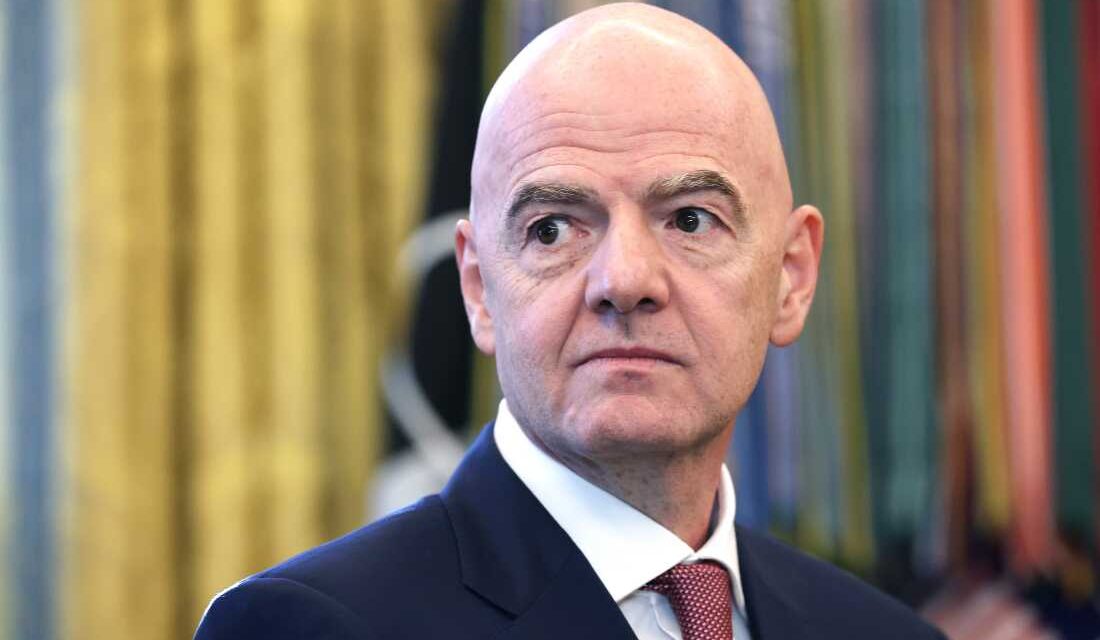
FIFA, led by President Gianni Infantino, is under investigation by the attorneys general of New Jersey and New York. The inquiry, announced Wednesday, focuses on the elevated ticket prices and sales tactics for the upcoming World Cup in the United States, Mexico, and Canada. This summer’s tournament has stirred controversy due to the introduction of dynamic pricing, resulting in unprecedented ticket costs.
FIFA’s Price Increases and Consequences
The surge in ticket prices has provoked significant backlash. This tournament marks the first time FIFA has implemented dynamic pricing, driving up costs for numerous games. For instance, tickets for the final match in New Jersey skyrocketed from $6,730 to $10,990 between the initial and latest sales windows. Additionally, FIFA introduced an expensive ‘Front Category’ seating, with prices exceeding $30,000 for front-row seats.
These decisions have drawn intense scrutiny and complaints. Even Donald Trump, known for his relationship with Infantino, criticized the prices, refusing to pay around $1,000 for seats at the U.S. opening game against Paraguay. The attorneys general are also examining whether FIFA’s sales tactics contributed to these prices soaring.
Legal Questions on FIFA’s Sales Tactics
One legal question being explored is whether FIFA has acted as a monopoly, using its influence to control ticket sales. According to Derek Howard, a legal expert from the University of San Francisco, FIFA keeps key information about ticket availability and price adjustments hidden from consumers, creating an environment of uncertainty.
“FIFA is using scare tactics to generate demand for tickets,” Howard stated. “Consumers remain in the dark about the reality behind these claims.”
FIFA’s practice of releasing tickets periodically, encouraging immediate purchases, leaves fans unsure if they are securing the last of the available tickets. This adds to consumer confusion and frustration.
Seating Assignment Practices Raise Concerns
Another issue fans face is FIFA’s control over seating assignments. Buyers initially choose between broad ticket categories, with specific seats assigned later. This approach differs from the typical U.S. system where buyers select exact seats at purchase. Category 1 tickets, the most expensive, cover large stadium areas, but some seats are reserved for premium holders, often leaving standard buyers in less desirable locations.
The implementation of such a system is not new, but the high prices have intensified fan dissatisfaction. FIFA’s right to redefine seat categories exacerbates consumer concerns, with potential changes affecting fans who believe they are purchasing top-tier seats.
Potential Legal Repercussions
New York’s Attorney General, Letitia James, criticized the manipulative nature of the sales methods. FIFA’s response to similar situations states that stadium maps serve as guidance and may not precisely depict actual seating layouts. However, experts like Howard suggest such practices may still expose FIFA to legal challenges, potentially as a ‘bait and switch’ scenario.
With the World Cup approaching, the possibility of overhauling FIFA’s sales methods seems slim. Nonetheless, potential lawsuits and ongoing investigations may influence FIFA post-tournament. Several lawmakers have already demanded clarity on these practices, and further investigations by other state authorities could follow.
FIFA attributes its pricing strategy to adapting to the North American market, which has proven financially rewarding, forecasting potential earnings of over $11 billion from the tournament, including broadcasting deals. However, this pricing strategy has significantly annoyed fans and generated legal challenges.
 Chicago Cubs Fall Short Against Cincinnati Reds, Leaving Opportunities Unclaimed
  Teen Pickleball Star Faces a Busy Schedule
  Ovechkin’s Political Controversy Amid Russian Elections
  Arizona Cardinals’ Week 1 Upset and Dan Orlovsky’s Quarterback Debate
  Buffalo Bills Triumph Over Detroit Lions But Face Injury Setback
  Sophie Cunningham Responds to Misinterpretations of Comments on Teammates