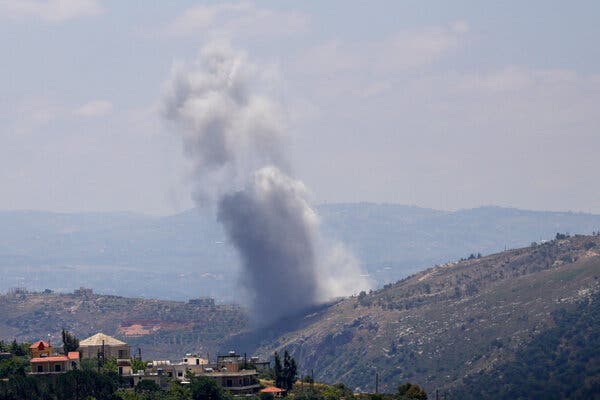
Hezbollah, an Iran-backed militant group, continues to launch rocket and drone attacks against Israeli forces. These actions add complexity to diplomatic efforts. Smoke rose after an Israeli air raid on the village of Yohmor in southern Lebanon.
On May 26, 2026, at 9:29 a.m. ET, Israel intensified its military operations against Hezbollah. Prime Minister Benjamin Netanyahu directed the military to escalate strikes on the militant group within Lebanon. In response, the Israeli military targeted over 100 Hezbollah sites in southern and eastern Lebanon. These targets included weapon storage locations and command centers.
The military also issued an evacuation notice for the entire city of Nabatieh in southern Lebanon. This warning signaled the impending airstrikes in the area.
Mashghara, a town located in the Bekaa Valley, experienced significant bombardment. At least 11 people, including two children, died in these attacks, according to Lebanon’s health ministry. The Israeli military did not comment immediately on this particular strike.
Prime Minister Netanyahu emphasized the state of conflict with Hezbollah in a video statement. He announced directives for the military to “press on the pedal even more.”
This recent escalation follows events in March. The conflict reignited when Hezbollah launched rockets over the border to support Tehran after a U.S.-Israeli offensive against Iran. A ceasefire, brokered by the U.S., began in April, although both sides continue to accuse each other of breaking it.
Violence in Lebanon increases amid indications from President Trump and Iranian officials about progress toward potentially ending the U.S.-Israeli war with Iran.
 Lithuanian President Urges U.S. to Maintain Military Presence Amid NATO Challenges
 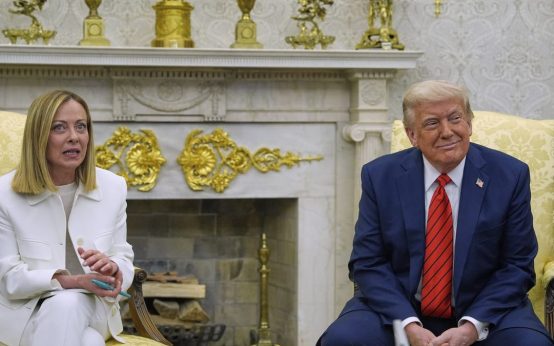 Italian PM Giorgia Meloni Skips UN General Assembly Amid U.S. Tensions
 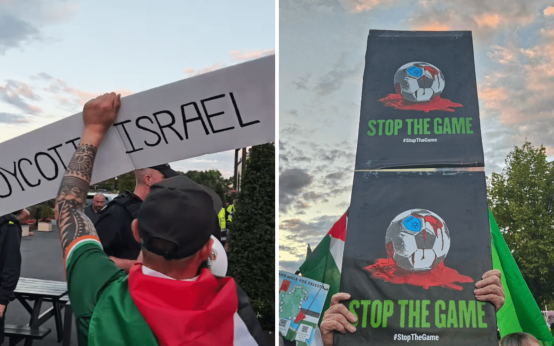 Ireland Faces Calls to Boycott Matches Against Israel
  Social Media Influencer Faces Serious Charges
 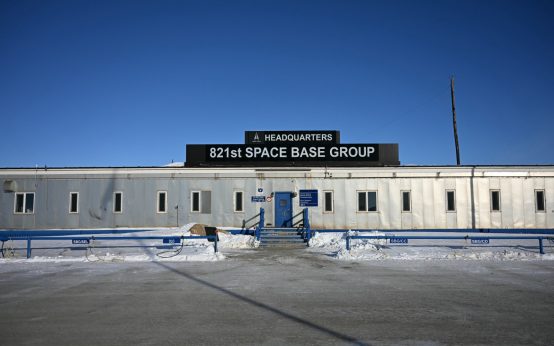 U.S. Military Expansion in Greenland
  The Autocratic Age: A Closer Look