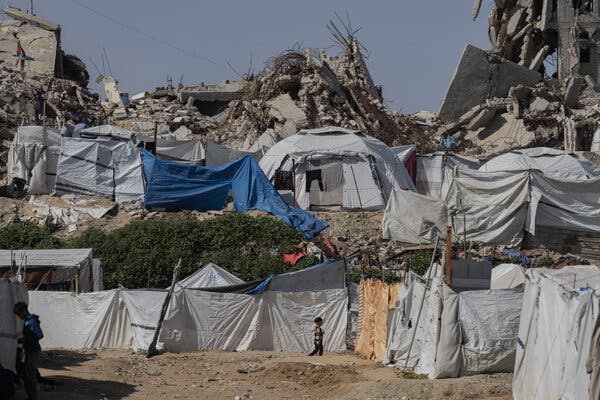
President Trump’s proposal to end the war with Iran involves delaying the most contentious issues. This tactic mirrors a previous approach used in the Gaza crisis.
In recent negotiations, the United States and Iran are following Trump’s method of Middle East crisis resolution. A cease-fire agreement is prioritized, pushing the more challenging problems to a later date.
Analysts note this approach had mixed outcomes in the Gaza Strip. Trump previously brokered a truce between Israel and Hamas, an Iranian-backed group. Plans for a Phase 2 agreement—which included Hamas disarming and allowing Gaza’s reconstruction—have stalled. Similar risks could arise in U.S.-Iran talks.
The current focus of Trump’s proposal is lifting Iran’s blockade of the Strait of Hormuz. This Persian Gulf waterway is crucial for oil and gas shipments. After a U.S. and Israeli attack in February, Iran’s near blockade led to soaring energy prices, affecting Trump’s domestic support due to rising costs.
Key issues such as Iran’s nuclear program, missile stockpiles, and support for regional militia groups would be postponed. Michael Koplow, chief policy officer at the Israel Policy Forum, states that phased negotiation approaches can be helpful. However, Trump’s approach might allow him to claim victory while leaving significant issues unresolved.
Iran’s leadership feels strengthened by the conflict, reducing their willingness to compromise in future discussions, according to analysts.
 The Growing Threat to Drone Experts in the Russia-Ukraine Conflict
  Twitch Streamer Hasan Piker’s Controversial Opinions on Hamas and Israel
 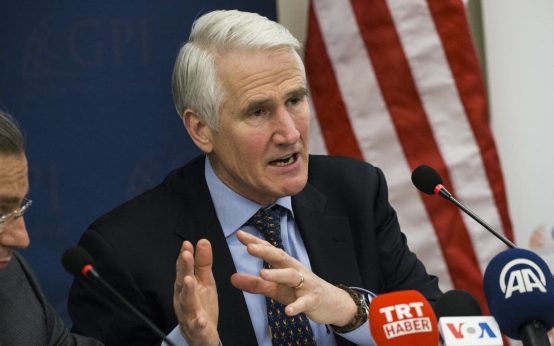 CNN Defends Use of Anonymous Sources in Iran War Reporting
  Colombian President Prioritizes Energy Security in New Administration
 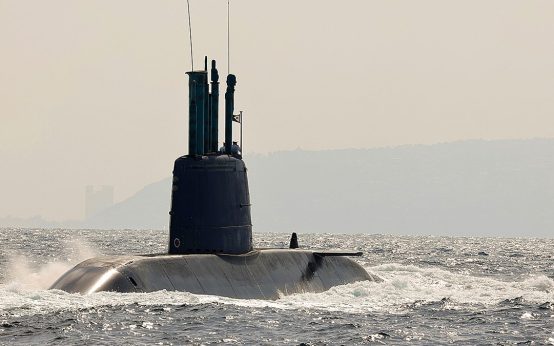 Israel Enhances Naval Strength with Advanced Submarine
  Generational Shift in Voter Dynamics and Its Impact on the Democratic Party