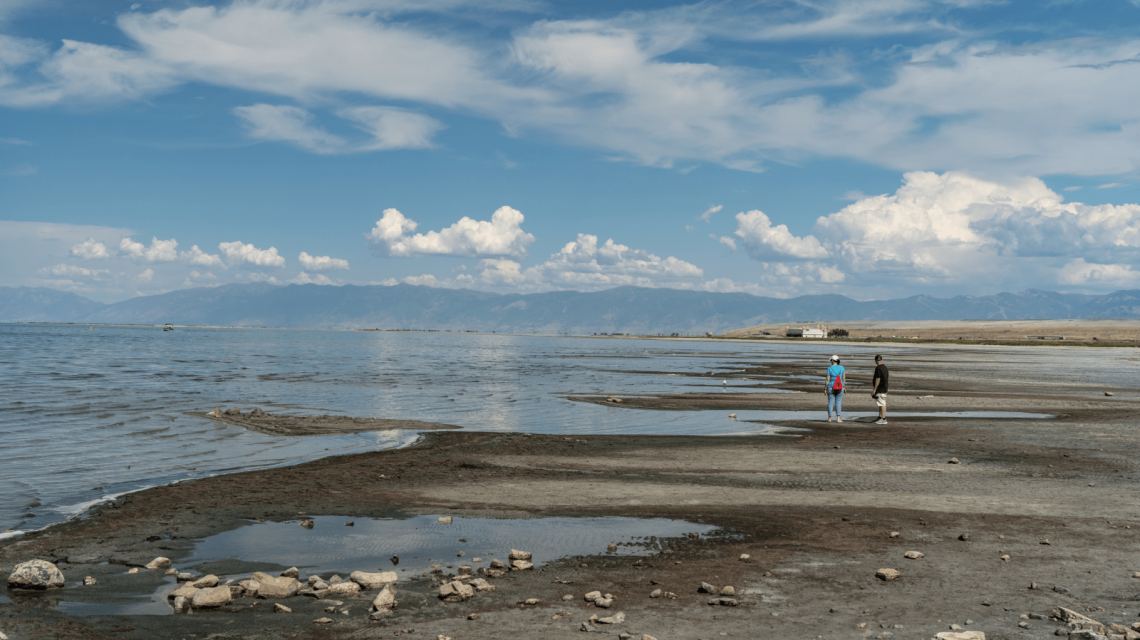
America’s lakes, traditionally seen as reliable sources of drinking water, recreation, and wildlife habitats, are now under significant threat. Climate change, excessive use, and pollution are pushing these freshwater systems to a breaking point.
Current Pressures on America’s Lakes
Lakes across the nation are shrinking, warming, and facing increased pollution. The intensification of droughts and rising temperatures due to climate change result in higher evaporation rates and diminished inflows. According to Maria Morgado from the United Nations Environment Programme (UNEP), climate change is central to these challenges. Growing populations and agricultural demands further divert water away from natural systems.
Pollution also plays a significant role. Runoff from fertilizers, sewage, and industrial waste adds nutrients like nitrogen and phosphorus to lakes. This leads to toxic algal blooms that harm water quality and human health. Even with reforms such as the Clean Water Act, many lakes remain caught in a cycle of declining water levels and increased pollution.
The Great Salt Lake (Utah)
The Great Salt Lake is considered among the most endangered lakes in North America. Since 1850, it has lost approximately 73% of its water and 60% of its surface area. This is due to water diversion and climate-induced drought. As a terminal lake with no outflow, its water loss causes salinity levels to rise, threatening the organisms that support migratory birds. The shrinking lake also exposes the lakebed, releasing toxic dust that can affect nearby populations.
Lake Erie (Great Lakes)
Lake Erie faces challenges from harmful algal blooms, driven by agricultural runoff, especially phosphorus from fertilizers entering via rivers. According to the Great Lakes Ledger, these blooms produce toxins that contaminate drinking water, close beaches, and harm aquatic life. Some communities have been warned against using tap water due to contamination risks. Despite cleanup efforts, recurring blooms suggest the problem persists and may worsen with climate-induced heavier rainfall.
Lake Okeechobee (Florida)
Florida’s largest freshwater lake, Lake Okeechobee, suffers from nutrient pollution and urban runoff. Florida Atlantic University (FAU) notes that agricultural, wastewater, and developmental nitrogen and phosphorus fuel cyanobacteria growth, known as blue-green algae. These algae can produce toxins harmful to both humans and wildlife. Rainfall can exacerbate the issue, flushing more nutrients into the lake and causing large toxic blooms in surrounding areas. Research by FAU’s Brian Lapointe confirms large blooms appear after extreme rain events.
Lake Mead (Nevada/Arizona)
Lake Mead, America’s largest reservoir, faces historic water shortages following years of drought and overuse of the Colorado River system. Although water levels “rebounded” briefly in 2024, they risk falling to record lows again, threatening the water supply for over 40 million people. The reduced water level also risks hydroelectric power generation at the Hoover Dam, raising concerns for energy and water security in the western U.S.
Lake Powell (Utah/Arizona)
Lake Powell, another Colorado River reservoir, faces similar challenges. Drought conditions have sharply reduced water inflow. The Colorado River Basin Forecast Center estimates only 13% of the 30-year average inflow from April to July this year. The lake nearing levels insufficient for power generation or effective water delivery.
Possible Actions
Experts believe there’s still time to slow or reverse lake decline, but coordinated action is necessary:
- Reduce water consumption, particularly in agriculture.
- Improve water management; outdated policies need revision.
- Cut nutrient pollution by limiting runoff and improving wastewater infrastructure.
- Restore ecosystems by rehabilitating wetlands and buffers.
- Address climate change by reducing greenhouse emissions.
Conclusion
From Utah to Florida, America’s lakes are under pressure like never before. Shrinking shorelines and toxic algae blooms emphasize the fragility of once-abundant water systems. Scientists warn of potential irreversible damage without decisive action, impacting ecosystems, economies, and millions of Americans reliant on these lakes daily.
 Suncor v. Boulder: Understanding the Supreme Court Case and Its Implications
  Hawaii Faces Challenges from Record-setting El Niño and Hurricanes
  Unexpected Ocean Conditions Bring Challenges to Ventura County
  Trump Administration Reduces Car Fuel Efficiency Standards
  Justice Alito Recuses Himself from Key Climate-Change Case
  Debate Delays Homer Glen Substation Modernization Project