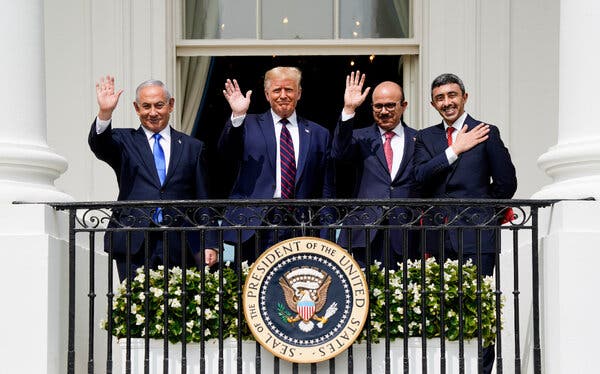
The Abraham Accords marked a significant diplomatic achievement by normalizing relations between Israel and several Arab countries. Initiated in 2020, these agreements have set a precedent for peace in the region. As part of ongoing peace negotiations involving Iran, former U.S. President Donald Trump has proposed extending these accords to include more nations.
During his presidency, Trump stated that enhanced cooperation across the Middle East is possible if more countries join the accords. He expressed optimism on social media, suggesting that Iran might also become a participant. Moreover, he encouraged Saudi Arabia, Qatar, and Pakistan to commit to the agreement.
Following his re-election in 2024, Trump faced challenges in expanding the accords. Despite these efforts, Kazakhstan joined in November, but it already maintained diplomatic relations with Israel. The inclusion of more countries could help address concerns from critics focused on Iran, including Senator Lindsey Graham, a Republican from South Carolina. Graham has warned against a peace deal with Iran but supports the normalization of relations with Saudi Arabia and other Arab states, which he sees as historic and impactful.
However, analysts point out challenges in quickly achieving such developments. Ending the conflict initiated by the U.S. and Israel’s attack on Iran is unlikely to persuade Saudi Arabia and others to join the accords. While the situation remains complex, the Abraham Accords continue to be a crucial subject in Middle Eastern diplomacy.
 Austin Tice: A Search for Answers
  President Trump Warns of Escalating War with Iran at UN Assembly
  Tariffs and Their Impact on Everyday Products
 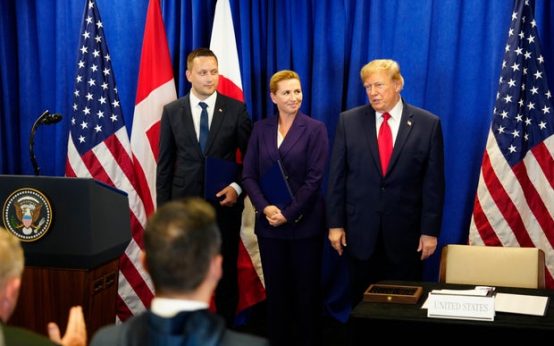 U.S., Denmark, and Greenland Forge New Security Agreement
 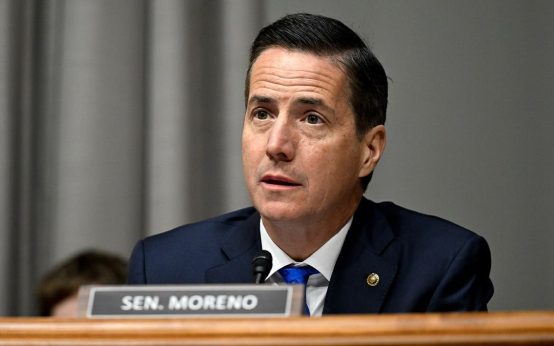 Senator Criticizes Drug Policy After Ohio Tragedy
 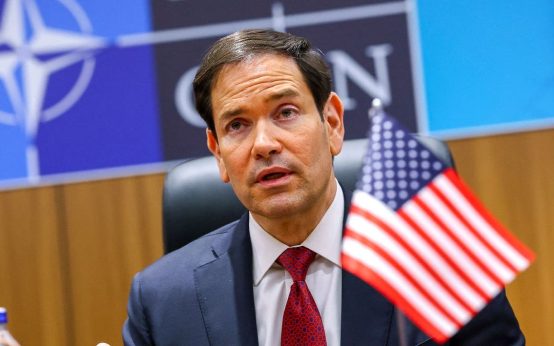 Secretary Rubio Discusses Middle East Conflict and NATO Relations