
Since 2018, Equifax, Experian, and TransUnion have offered free credit freezes. These freezes stop new credit applications from being approved in your name, a common form of identity fraud. However, recent data highlights why relying solely on a freeze is not enough. According to the 2026 Identity Fraud Study by Javelin Strategy & Research, traditional identity fraud led to $27.3 billion in losses last year, impacting 18 million people. New-account fraud increased by 31% from 2024 to 2025.
Understanding the Limitations of Credit Freezes
Fraud types like synthetic identity fraud evade credit freeze protections. This involves combining a real Social Security number (SSN) with a made-up name and date of birth, which means a credit freeze on your name won’t prevent this fraud. The Federal Reserve notes this as a critical vulnerability. Thus, fraudsters can initiate credit under a newly created identity, bypassing your existing credit file.
Statistics on Identity Fraud
The Federal Trade Commission (FTC) reported 503,450 cases of credit card fraud in the first three quarters of 2025, leading all identity theft categories. Credit and loan fraud typically involve credit bureau applications. However, bank account takeovers, employment fraud, and tax refund fraud bypass bureaus, leaving credit freezes ineffective.
Synthetic Identity Fraud: A Growing Concern
This fraud type involves creating a fictitious person. A stolen SSN is paired with a name unfamiliar to the bureaus, as well as a fabricated birth date and address. The credit bureaus then establish a new file. Initially, the file lacks depth, but scammers slowly build it up with small lines of credit. Once it appears legitimate, they max it out.
By the end of 2024, synthetic identity fraud exposed U.S. lenders to more than $3.3 billion, as recorded by TransUnion. The Federal Reserve reports more accounts being opened under fraudulent identities are detected too late to prevent significant damage. A credit freeze won’t impact these applications since they are not filed under your true name.
Impact and Prevention
Frequent fraudulent activity not halted by a credit freeze includes:
- Existing account hacking by changing contact details.
- Submitting false tax returns for refunds under your SSN.
- Healthcare identity theft with bogus insurance claims.
- 401(k) scheme takeovers via call centers, avoiding a bureau pull.
Maintaining and Augmenting Security Measures
Credit freezes must be set separately at all three bureaus. TransUnion, Experian, and Equifax freezes are not interconnected, so a gap at any bureau can expose you. Freezes are also lifted easily, particularly when you need to apply for credit, creating a temporary risk.
Credit monitoring and identity theft protection services play a crucial role here, watching all bureaus consistently and issuing alerts for any new accounts or inquiries. Some services also flag dark web activity and data broker lists for your information, often exposed during synthetic identity fraud activities.
Using credit freezes alongside identity protection enhances safety, addressing what each system alone cannot fully manage. While no service guarantees full prevention of identity crimes, combined methods reduce vulnerability.
Additional Protective Steps
- Enable alerts on bank, credit card, and retirement accounts for suspicious activity notifications.
- Regularly review credit reports to identify unrecognized activity.
- Employ strong passwords, password managers, and two-factor authentication for essential accounts.
- Stay vigilant against tax and medical fraud by monitoring relevant notices and documents.
- Use identity protection services to scan for exposed personal data on the dark web and data broker websites.
Perform a free identity breach scan to see if your information appears in leaks. This detection helps you address potential fraud before it materializes. More tips and recommendations for identity theft protection can be found on CyberGuy.com.
Courtesy of CyberGuy.com.
 The Rise of Data Centers and AI Development
  How China Uses AI to Challenge U.S. Dominance
 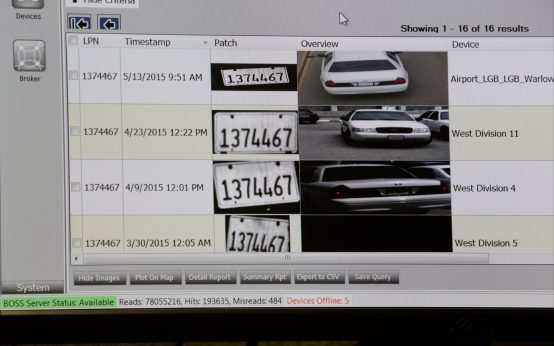 Controversy Surrounding Automated License Plate Readers (ALPRs)
  U.K. Test-Fires U.S. Torpedo from XV Excalibur
 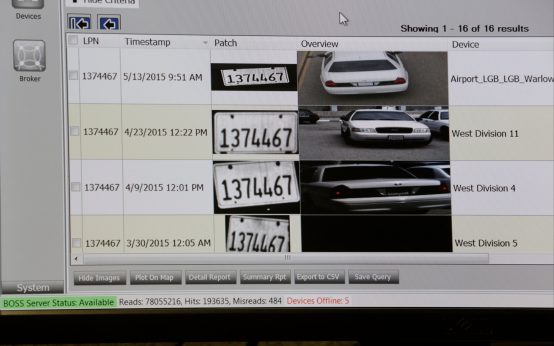 The Rise and Controversy of Automated License Plate Readers
  AI’s Impact on College Admissions Jobs